Date: 11 August 2026
Venue: Hotel Hablis, Guindy, Chennai
Consumer electrical safety in Tamil Nadu remains a significant public safety challenge, with defective consumer-side installations accounting for the overwhelming majority of electrical deaths in the state.
This report summarises a roundtable discussion convened by Citizen consumer and civic Action Group (CAG) in partnership with World Resources Institute (WRI) India, bringing together participants from Tamil Nadu Power Distribution Corporation Limited (TNPDCL), Tamil Nadu Electricity Regulatory Commission (TNERC), Tamil Nadu Fire and Rescue Services, Institute of Electrical and Electronics Engineers (IEEE), and electrical contractors and consultants. The discussion brought together regulators, utility representatives, first responders, engineers and consultants to examine whether existing safety regulations and institutional arrangements are keeping pace with a rapidly changing electricity system.
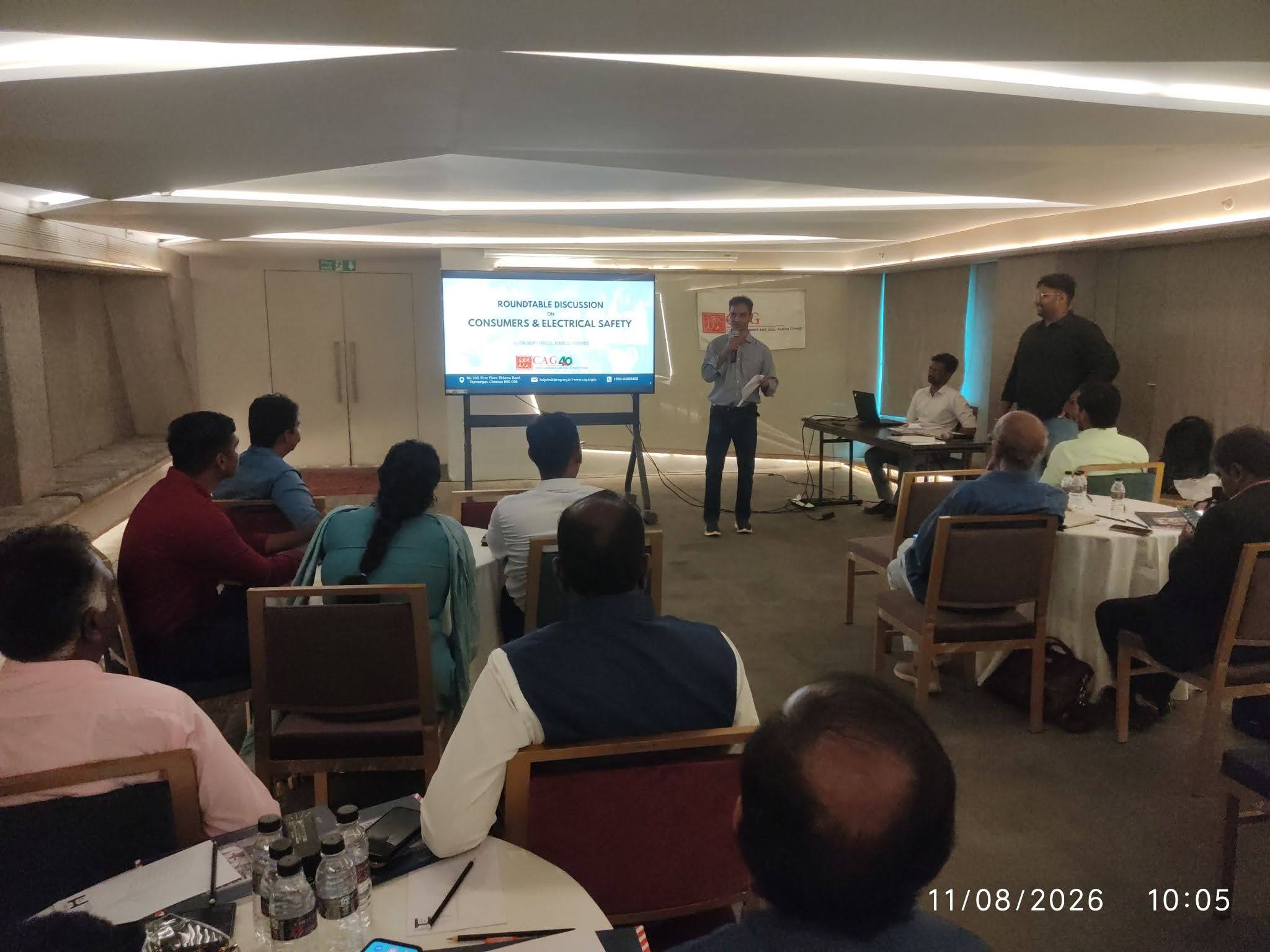
Mr.Vishnu Mohan Rao, Programme Lead, Electricity Governance, CAG, delivering the opening remarks
Mr. Vishnu, CAG, opened the session, framing the roundtable around four questions: whether consumers are adequately protected in practice, how departments can coordinate more effectively, what would meaningfully reduce accidents, and whether the regulatory framework is ready for solar, EVs and storage. He noted that the accident numbers alone do not explain what happened, what caused it, or whether anything changed afterwards.
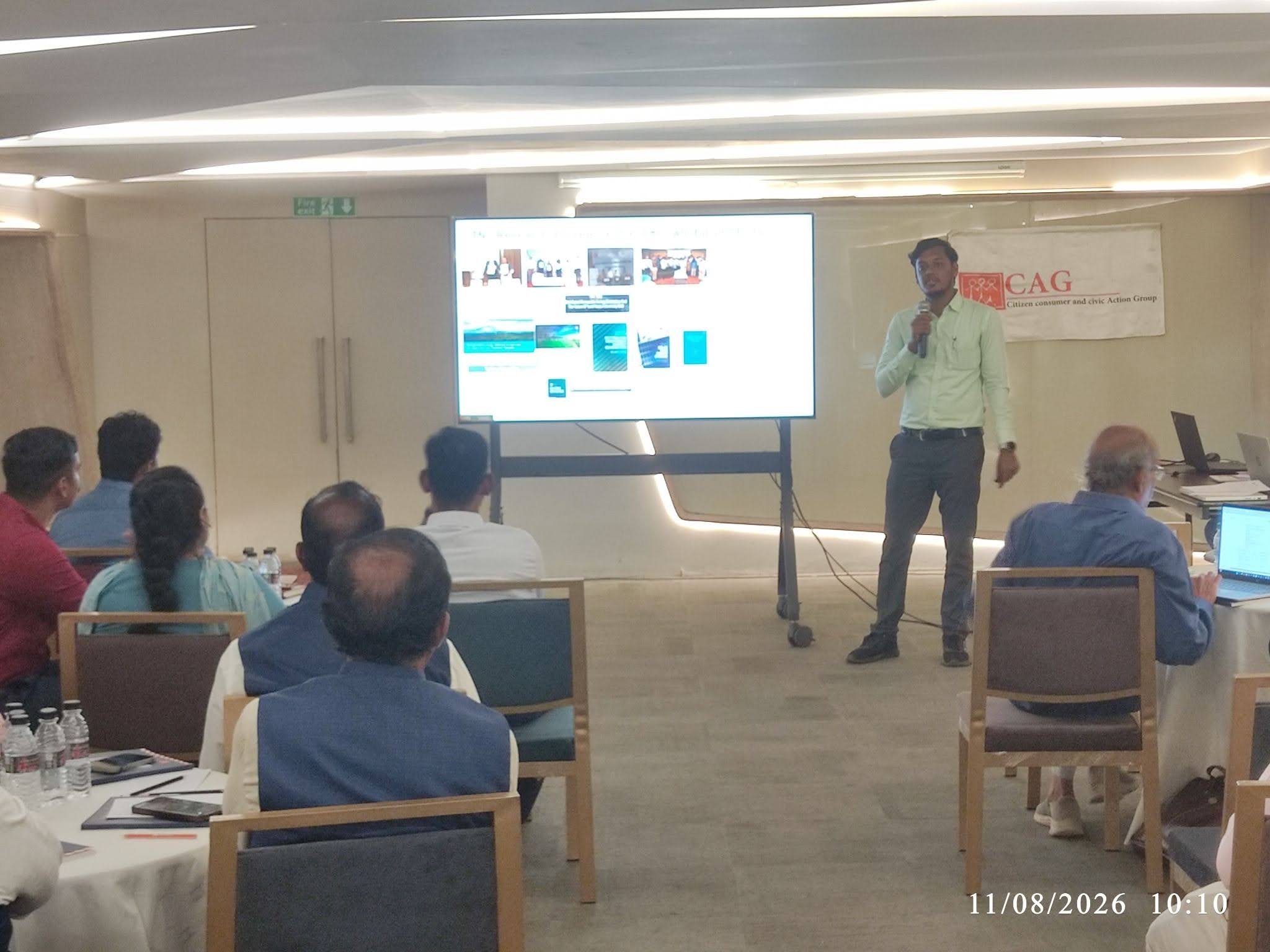
Mr.Harish Palani, Senior Research Specialist - Energy Program, World Resources Institute (WRI) India,
Introduction
Mr. Harish Palani, World Resources Institute (WRI) India, introduced the session, stating it was within WRI India's broader work on Tamil Nadu's energy transition, which spans power system planning, electricity safety and governance, and electric mobility. He noted that households are increasingly active participants in the electricity system, and that the roundtable would test whether safety regulations and institutional arrangements are evolving at the same pace.
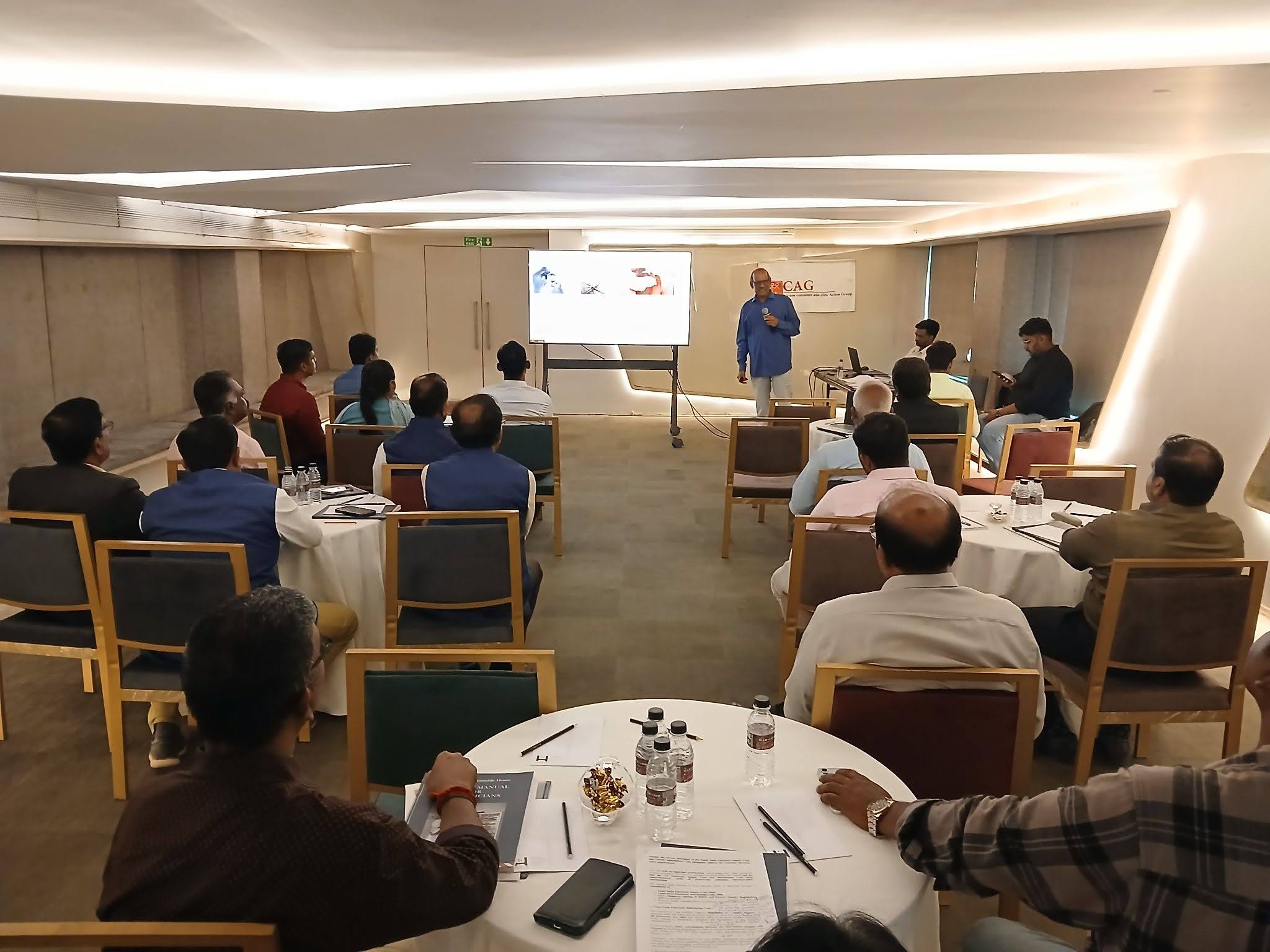
Mr.S.Appavoo Subbaiya, former Chief Electrical Inspector to Government, TN, delivered the keynote address on the legal and regulatory framework.
- He grounded the discussion in Article 21 of the Constitution (Right to Life), citing 15,861 electrocution deaths nationally, of which 964 were in Tamil Nadu. He referred to the Electricity Act 2003, the Central Electricity Authority (CEA) Safety Regulations of 2010 and 2023, the National Electrical Code 2023, and Bureau of Indian Standards (BIS) electrical safety provisions, and stressed that protection against shock, thermal effects and overcurrent depends on proper verification and testing.
- He drew particular attention to the Chartered Electrical Safety Engineer (CESE) provision, which has been unimplemented for roughly a decade, with self-certification allowed despite the regulation requiring competent body certification, also noting that only Maharashtra has commenced such a scheme.
- He also identified neutral-to-earth connection as a recurring point of failure, tracing the requirement back through the Indian Electricity Rules.
- He concluded by calling for a shift from responsibility on paper to practice, recommending the launch of the Chartered Electrical Safety Engineer (CESE) scheme, enforcing strict action, and investing in capacity building- noting that “development without safety is incomplete”.
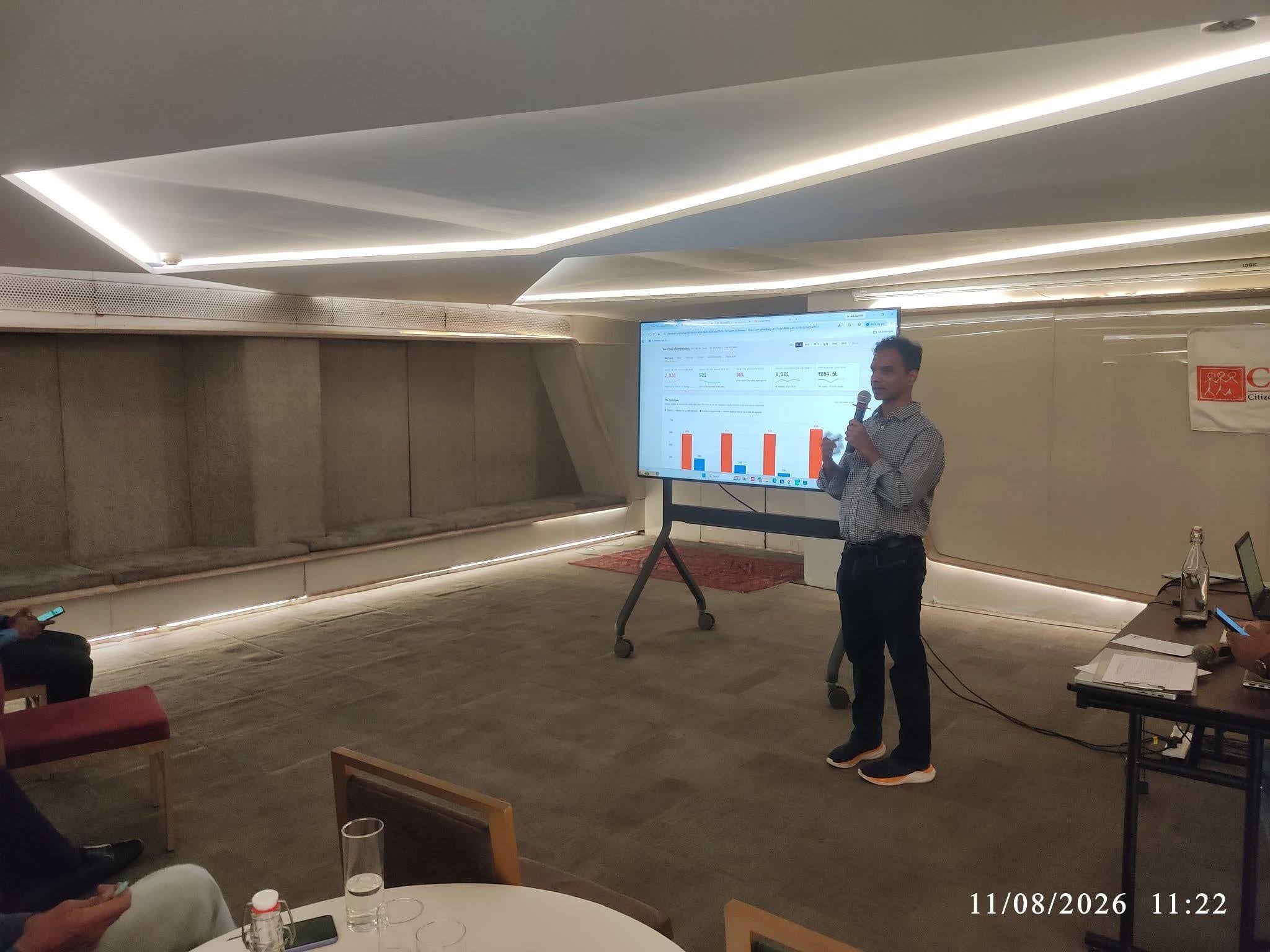
Mr.Vishnu Mohan Rao, Programme Lead, Electricity Governance, explaining the Right to Information (RTI) Findings
The CAG team presented findings from its Right to Information (RTI) analysis, covering 32 replies from Tamil Nadu Power Distribution Corporation Limited (TNPDCL) circles, Fire and Police departments for Financial Year (FY) 2022–25. The data recorded 2,528 deaths, 1,344 injuries, and ₹854 lakh in compensation claims across the state. Most of them were from the consumer installations, (not in the utility network), and accounted for the overwhelming majority of deaths, at 706 against 7 on the utility side. Chennai recorded the highest number of accidents by district, while Tirunelveli Electricity Distribution Circle (EDC) paid the highest claims. The team also flagged that a 2024 government order had halved the inspection frequency to once every two years.
PANEL DISCUSSION:
The panel comprised an Executive Engineer of Tamil Nadu Power Distribution Corporation Limited (TNPDCL), the District Fire Officer of the Fire and Rescue Services, a representative of Institute of Electrical and Electronics Engineers (IEEE), and a consultant, followed by an open floor discussion.
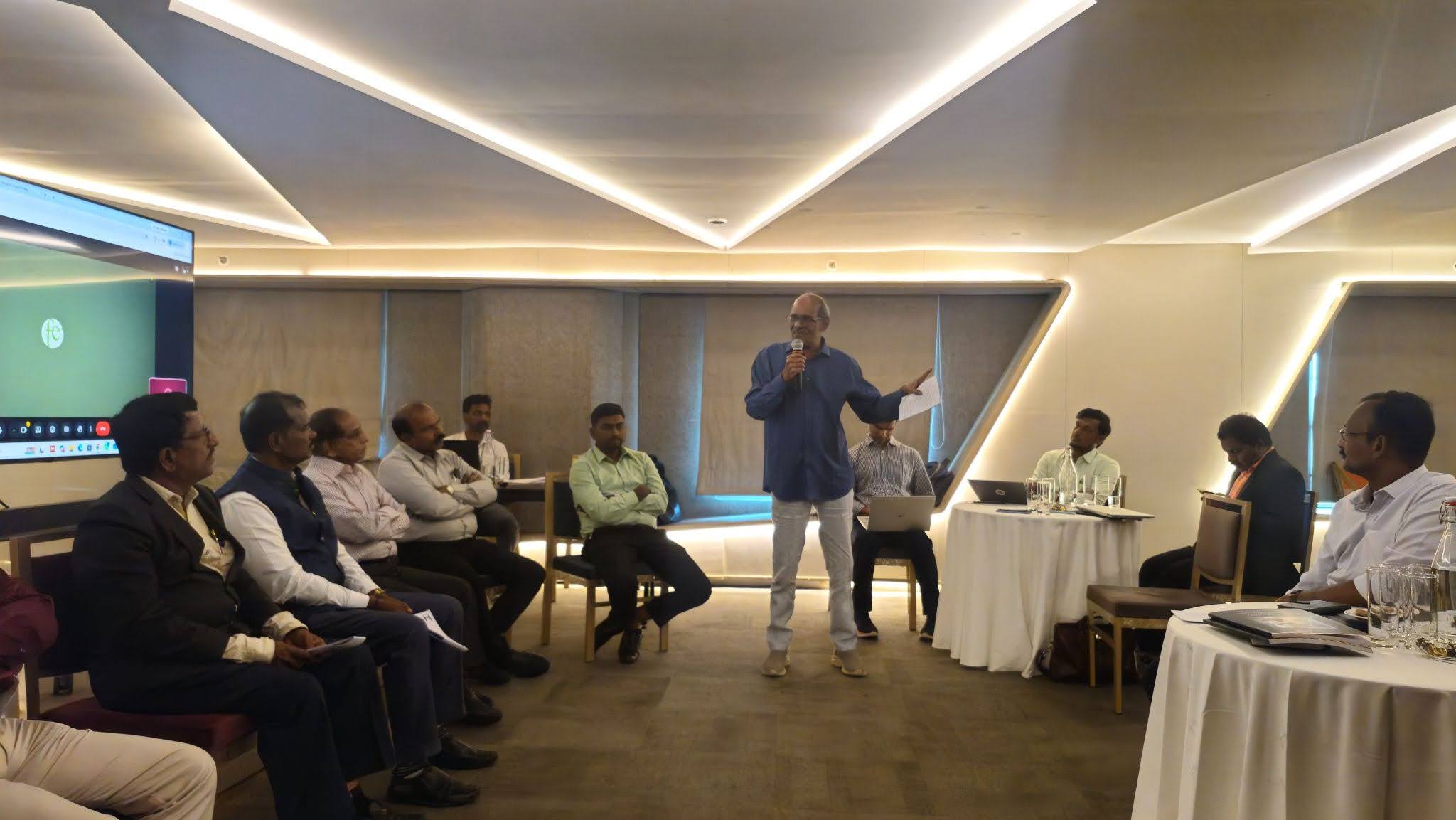
Mr.S.Appavoo Subbaiya, addressing the panel discussion on consumer awareness
Mr. S.Appavoo Subbaiya explained the importance of consumer awareness and described electricians as the last-mile actors interacting directly with consumers. He repeated his call for the Chartered Electrical Safety Engineer (CESE) provision to be enforced and stressed the importance of residual current devices. He also cited National Crime Records Bureau (NCRB) data showing 1,042 of 5,888 total accidental fires nationally were attributed to electrical short circuits, with Tamil Nadu accounting for 132 of these. On the CESE issue, he pointed out a contradiction within G.O. No. 98 of 2024: Notification 1(1) requires inspection by a CESE, while Notification 1(2) permits self-certification by the DISCOM (TANGEDCO), even though Regulation 32 itself mandates inspection once every five years. He remarked that development without safety is incomplete, and that compliance should be treated as the minimum standard, not the definition of safety.
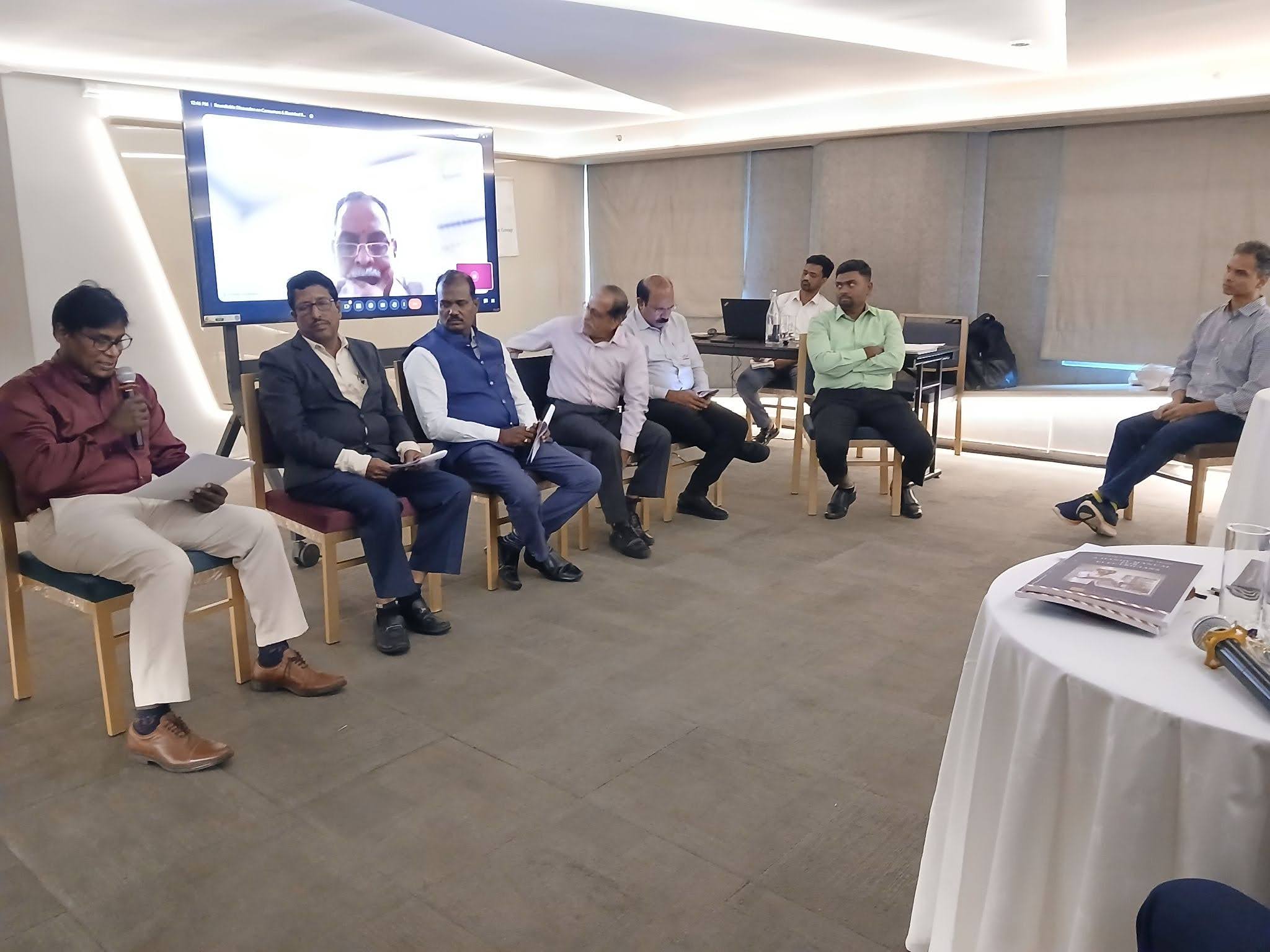
Jagadish Kumar, Executive Engineer, TNPDCL, addressing the roundtable on electrical safety.
Mr.Jagadish Kumar Executive Engineer, Tamil Nadu Power Distribution Corporation Limited (TNPDCL), reported that matters are on track against TNEB safety standards but said greater consumer awareness is required. He cited recurring incidents involving diesel generators including a fault where a consumer-generator back into the grid along with accidents involving migrant workers near poles, snapped conductors, and cattle tethered to distribution poles. He noted that TNEB runs roadshows and awareness activities during Energy Conservation Week each year.
Mr. Sivaraman, Institute of Electrical and Electronics Engineers (IEEE), said that regulations are in place but that implementation is the real challenge, and that consumer understanding of electrical risk remains low. On new technologies, he flagged that distributed solar systems continue generating direct current and must be correctly isolated before work; that battery energy storage systems are a dual power source whose fires cannot be handled with ordinary extinguishers; and that with roughly seven lakh electric vehicles in the state, charging needs to happen in open space with proper precautions. He also raised cable and conductor overloading, arc flash exposure, temporary overvoltage, and switching-related surges as technical concerns requiring attention.
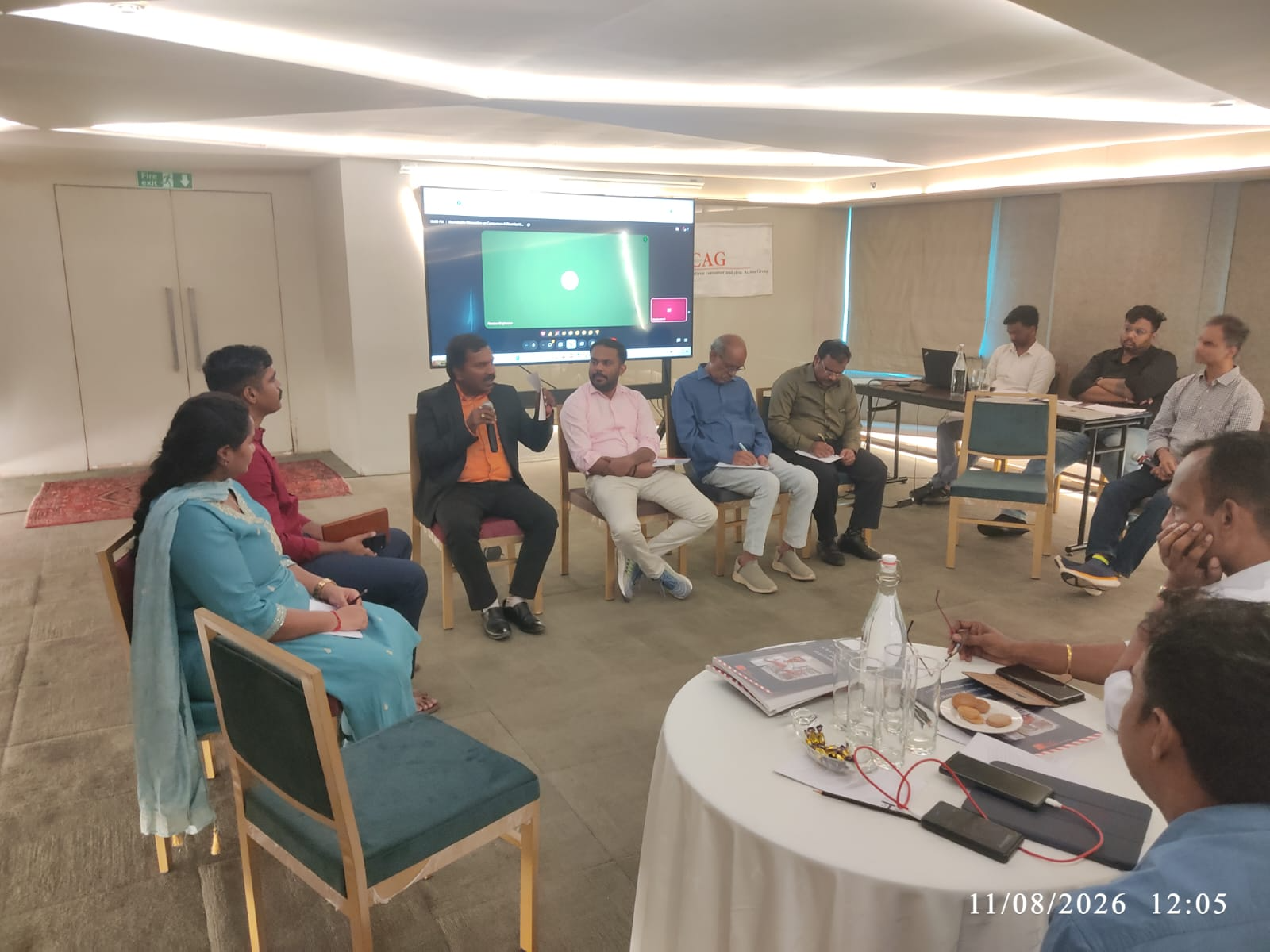
Mr.Premkumar, Black and White Consultancy, points out gaps in installation safety practices.
Mr.Premkumar, Black and White Consultancy, addressed installation practice, linking pole-climbing accidents in the Right to Information (RTI) data to electricians using single-wire Uninterruptible Power Supply (UPS) setups instead of three-wire systems. He noted that new buildings are certified by contractors without independent audit or testing, that mismatched cable and breaker sizing is common (4 sq mm wire paired with 40A–63A breakers), and that neutral and earth are meant to be interlinked but are, in practice, grounded separately. He pointed out that the absence of chartered engineers means no independent testing occurs for new connections, and that testing agencies remain very few.
Mr. Manoprasanna, District Fire Officer, speaks on the causes of electrical fires and the need for technical training.
Mr. Manoprasanna, District Fire Officer, said Fire and Rescue Services respond to electrical fires sometimes without adequate technical training. He identified improper use of equipment, poor maintenance and defective wiring as the most common causes of such fires. He reported that lives have been lost in incidents involving solar and battery installations, and that responders have limited familiarity with these technologies. He noted that mock drills now include electrical accident scenarios, but that the department receives no specific training from Tamil Nadu Power Distribution Corporation Limited (TNPDCL).
Ms. Aarnisha, Tamil Nadu Fire and Rescue Services, said existing Central Electricity Authority (CEA) and Bureau of Indian Standards (BIS) rules are adequate but require attention across prevention, inspection, maintenance, enforcement, awareness, reporting and response collectively, rather than any one area alone. She explained that fire safety certification is a precondition for electricity approval on new buildings, and flagged data centres as a growing load requiring specific attention.
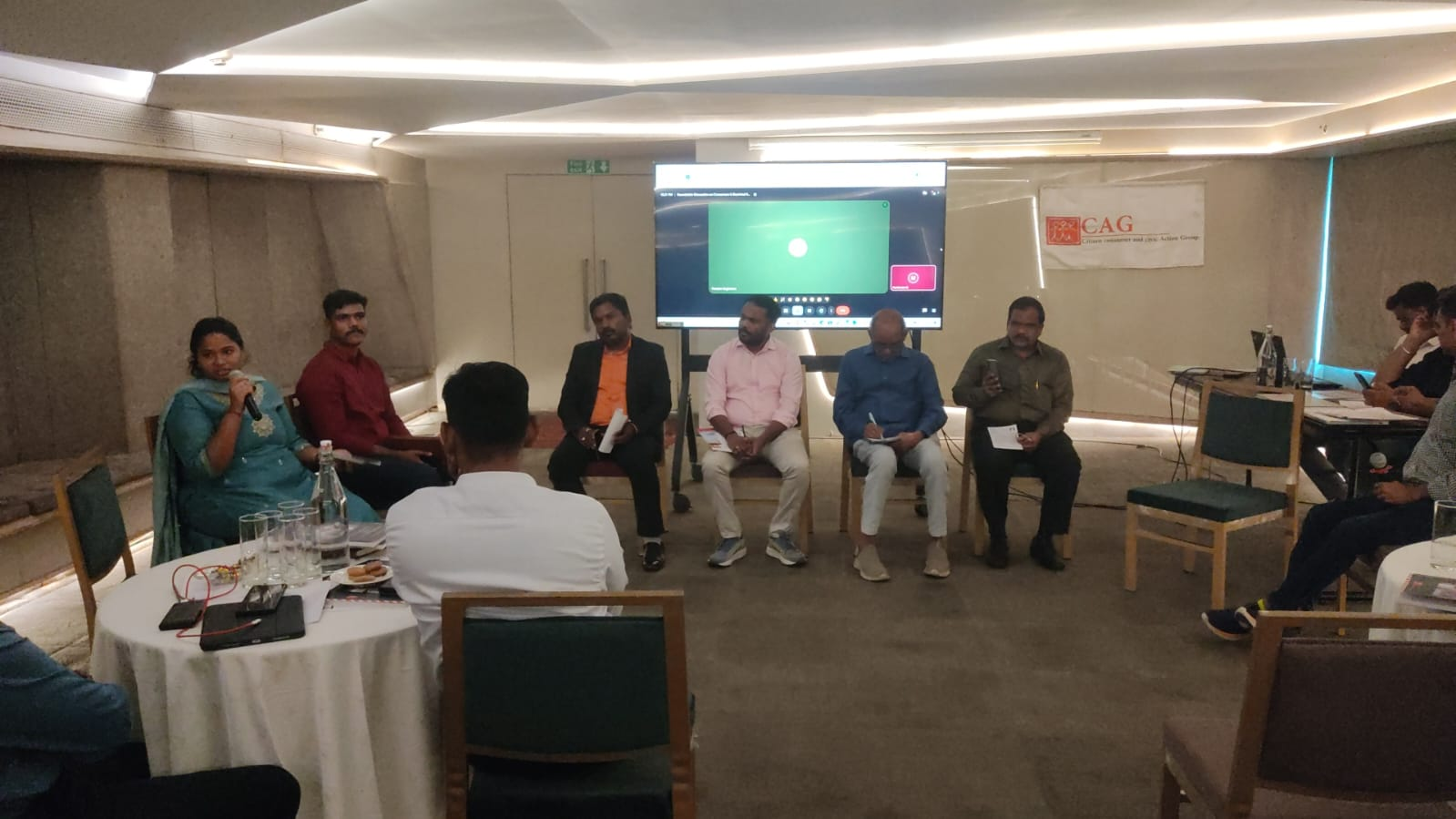
Ms. Aarnisha, Tamil Nadu Fire and Rescue Services, speaks on fire safety and electrical compliance
Mr. Ravichandran,Director, Fortec Engineers, raised power quality concerns and Residual Current Device (RCD) type mismatches, noting the market supplies mainly Type AC devices while modern non-linear loads require Type A. He said that standard Residual Current Breakers (RCBs) cannot manage Electric Vehicle (EV) charger faults, and called for the standard to correct neutral disconnection issues and make them mandatory for manufacturers.
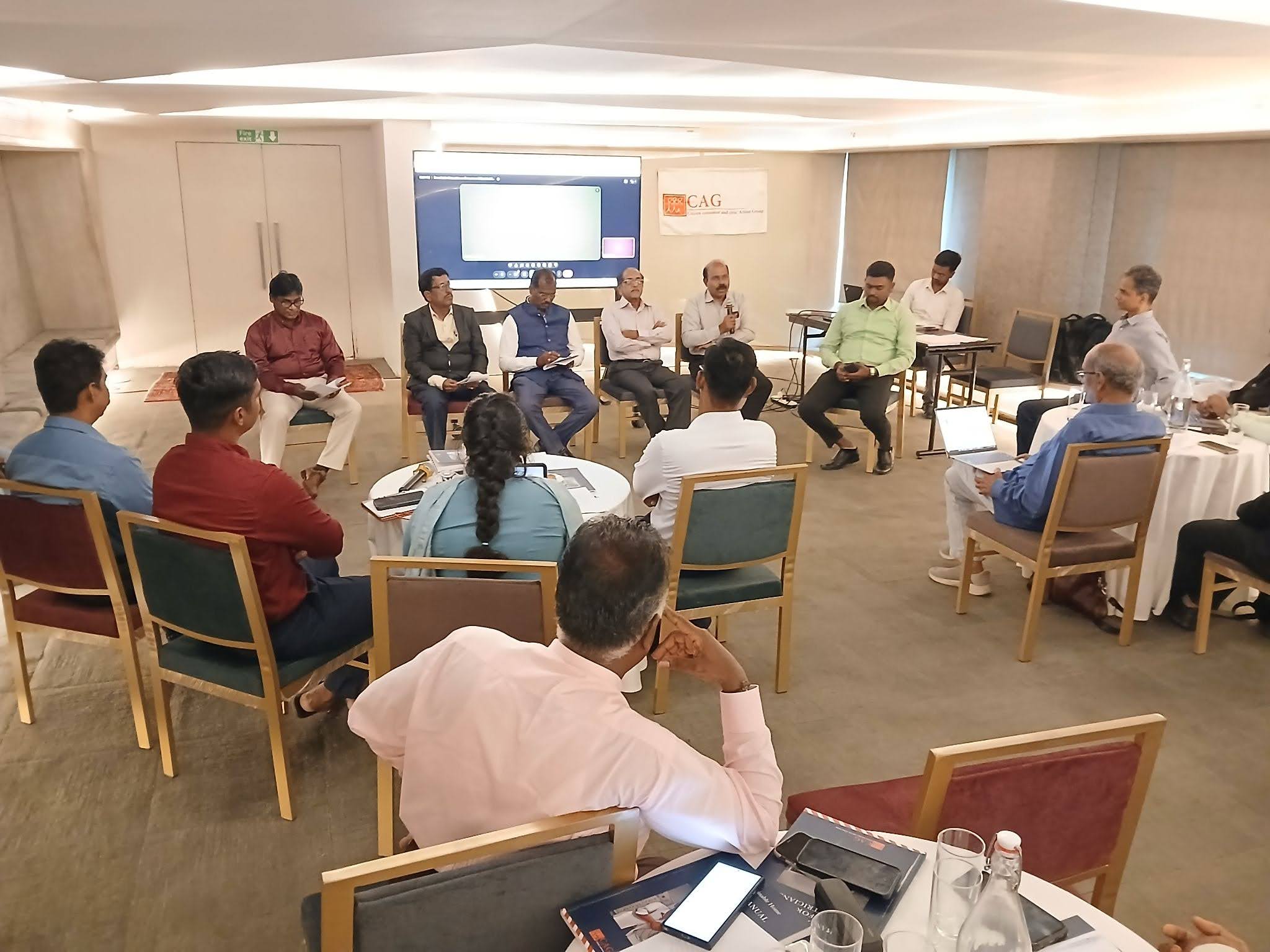
Mr. Ravichandran, Director, Fortec Engineers, speaks on power quality and RCD selection.
Mr. Venkatesh, VESAT Solar Pvt Limited, flagged the specific hazard created when solar-hybrid systems are connected to Uninterruptible Power Supply (UPS) units, and called on TNEB to issue and strictly enforce solar safety norms.
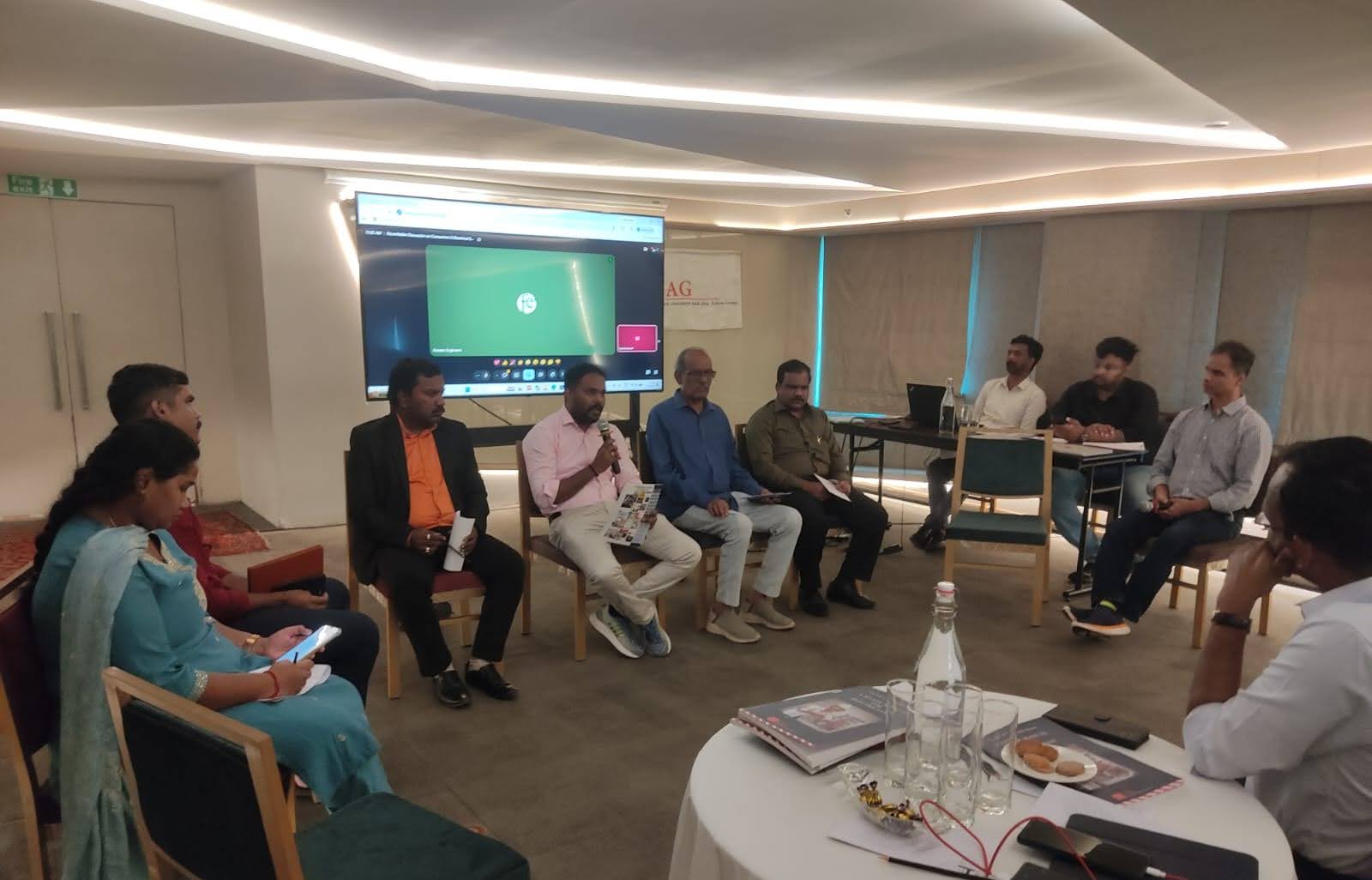
Mr. Venkatesh, VESAT Solar Pvt Limited, speaks on the need for solar safety norms.
Mr. Srinivasan, Omex Engineers, compared local documentation practices unfavourably to those in the Gulf, noting that electricians in Tamil Nadu rely on the rule of thumb approaches rather than calculated sizing.
Mr. Ramesh, President, Electrical Contractors' Association, pointed to weak enforcement of existing rules — automatic isolation requirements are ignored even in government buildings, Residual Current Device (RCD) and ELPD requirements are not strictly applied, backfeeding occurs, non-Indian Standards Institution (ISI) products remain in use, and loop impedance testing is not mandatory in Tamil Nadu. He called for stronger government support to give these requirements effect.
Mr. Pugazhenthi, Assistant Director, Tamil Nadu Electricity Regulatory Commission (TNERC), confirmed that Regulation 16 requires Residual Current Device (RCD)s in new houses but is not properly implemented, and that the Grid Interactive Solar System provisions of 2021 set out safety measures for solar Photovoltaic (PV) that similarly require better compliance. He added that Central Electricity Authority (CEA) technical regulations are not followed by Tamil Nadu Power Distribution Corporation Limited (TNPDCL) because TNERC has not directed it to do so.
Recommendations and way forward:
The discussion pointed to several actionable priorities:
1. Enforce the Chartered Electrical Safety Engineer (CESE) provision: Operationalise the Chartered Electrical Safety Engineer scheme in Tamil Nadu, following Maharashtra's example.
2. Mandate basic testing: Require leakage, insulation and loop impedance testing before energisation of new connections.
3. Correct Residual Current Device (RCD) standards: Align regulatory requirements with the RCD types actually needed for modern, non-linear and solar/Electric Vehicle (EV) loads.
4. Strengthen enforcement: Ensure existing rules on automatic isolation, Indian Standards Institution (ISI)-approved products, and inspection frequency are actively enforced, including in government buildings.
5. Build institutional coordination: Direct Tamil Nadu Power Distribution Corporation Limited (TNPDCL) to follow Central Electricity Authority (CEA) technical regulations, and improve coordination between TNPDCL, Tamil Nadu Electricity Regulatory Commission (TNERC), the Electrical Inspectorate and Fire and Rescue Services.
6. Invest in capacity building: Provide first responders with specific training on solar, battery storage and Electric Vehicle (EV)-related hazards, alongside public awareness campaigns.
Conclusion:
The roundtable made clear that consumer electrical safety in Tamil Nadu is not primarily a problem of missing regulation, but of implementation, verification and enforcement falling short of an otherwise adequate legal framework. Consumer installations, outdated Residual Current Device (RCD) usage, and limited preparedness for solar, storage and Electric Vehicle (EV) technologies together point to a system where responsibility exists on paper but is not consistently exercised in practice. Addressing this will require coordinated action from Tamil Nadu Power Distribution Corporation Limited (TNPDCL), Tamil Nadu Electricity Regulatory Commission (TNERC), the Fire and Rescue Services and the electrical contracting community, supported by mechanisms such as the Chartered Electrical Safety Engineer scheme and mandatory pre-energisation testing. This discussion was not intended to produce final conclusions, but to surface the priority gaps and practical realities that will shape the next phase of the CAG–World Resources Institute (WRI) India work on electrical safety, with timelines to be finalised.