Date :20.05.2026
1. Introduction
The Climate Resilient Agriculture (CRA) Project, led by CAG in collaboration with ASAR, aims to strengthen the resilience of farming communities to climate change across Tamil Nadu, Kerala, Maharashtra, and Bihar.
The project brings together farmers, Farmer Producer Organizations research institutions, agri-businesses, civil society organizations, and government departments to promote collaborative solutions for sustainable agriculture. Through stakeholder consultations and Focus Group Discussions (FGDs), the project identifies local agricultural and climate-related challenges, supports capacity-building initiatives, demonstrates climate-resilient farming practices, and facilitates convergence with existing government schemes. The overall goal is to enhance agricultural sustainability, improve farmers' adaptive capacity, and strengthen rural livelihoods in the face of a changing climate.
A team comprising Abdul Suban and Amjad, representing the NGOs CAG and ASAR, met with local farmers in the Adimali region and conducted a Focus Group Discussion (FGD) to understand the concerns of farmers belonging to the hill region.
1.1 Objective of the Farmers' Meet
To obtain clarity on the geographical conditions of the Adimali region; to assess the current state of farmers, their cropping patterns, weather dynamics, and rainfall patterns; and to understand the work being undertaken by local NGOs in the region.
1.2 Geographic and Cropping Overview
Adimali is located in Idukki district and experiences slightly cool weather conditions. The region has extensive cultivation of pepper, cardamom, tapioca, cocoa, nutmeg, turmeric, ginger, banana, rubber, with cardamom being the major crop. Most farmers use a combination of traditional and conventional farming methods. In some areas, traditional rice varieties are cultivated mainly by tribal communities, including around 200 acres under paddy in Punjapadi. Farmers generally prefer growing vegetables and other food crops but face several concerns that constrain this shift.
1.3 Stakeholders Consulted
• Mr. Jobi — Social worker and active farmer, Adimali
• Ms. Pavithra — Assistant Director, Salim Ali Foundation, Thrissur
• Farmers of the Adimali region (approximately 12–13 participants)
• Government officials, Agriculture Department, Adimali region
• Haritha Karma Scena, a solid waste management team of women, employed by Kudumbasree , governed by local panchayats of the respective regions in Kerala.
2. Insights from Mr. Jobi (Social Worker and Farmer)
Mr. Jobi is a social worker and farmer in the Adimali region. He helps in organising meetings with farmers and workers along with various government and private stakeholders on a periodical basis. He himself as a farmer employs manpower to work in his cardamom, coffee and pepper fields. He gave valuable insights on the following:
- According to him, farmers receive very little awareness or technical guidance from the Agriculture Department on climate-resilient agriculture, proper fertilizer application, and sustainable farming practices. He suggested that government departments should conduct regular awareness programmes for farmers
- Due to the lack of training, many farmers use fertilizers and pesticides based on advice from local shops or personal experience, often mixing different fertilizers without knowing the correct dosage or ratio — affecting soil health, plant growth, and crop productivity.
- Irrigation challenges persist, and improving irrigation facilities is essential to help farmers adapt to climate change and irregular rainfall.
- Soil erosion is becoming a major problem, but conservation measures such as bunding and contour farming are not widely adopted or promoted.
- Insect pests and diseases frequently affect crops, reducing yields and forcing farmers to rely heavily on chemical pesticides, increasing cultivation costs and environmental risks.
- Cardamom, pepper, and coffee are the major crops cultivated; however, due to the higher profitability of cardamom, many farmers have shifted away from traditional crops such as pepper, coffee, cinnamon, and nutmeg, reducing crop diversity.
- Farmers receive low prices for their produce as most products are sold through middlemen, resulting in poor market value and lower farm income.
- Labour costs are high — women earn around ₹600 and men around ₹800 for approximately six hours of plantation work, with men's wages varying by the nature of the work.
- Although agricultural machinery is available on a rental basis through government schemes, complicated procedures and formalities make it difficult for farmers to access machinery when needed.
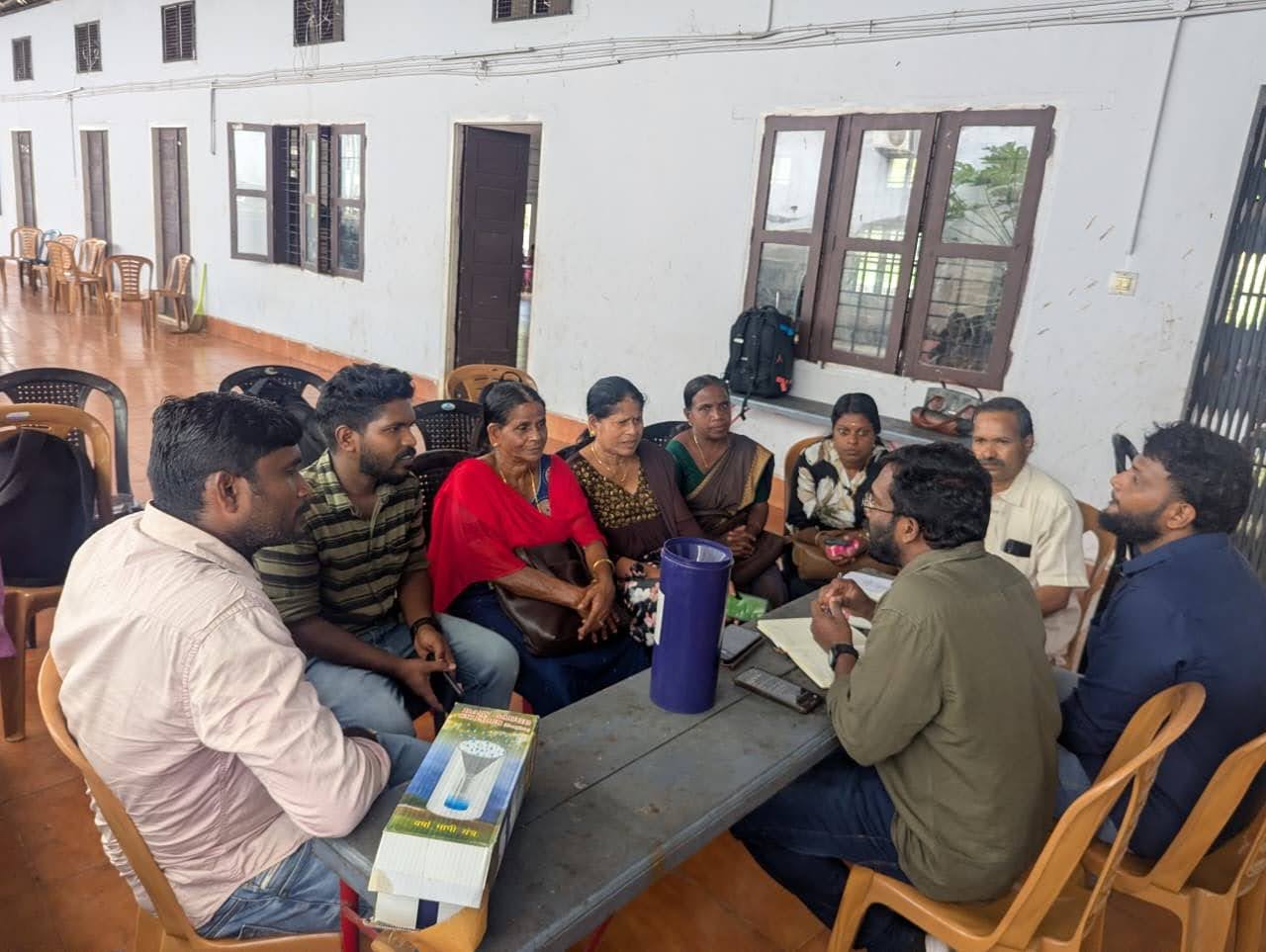
1a.Discussion during farmers meet.
3. Insights from the Salim Ali Foundation (Ms. Pavithra)
Ms. Pavithra, Assistant Director -Salim Ali Foundation, Thrissur, highlighted the organisation’s efforts in biodiversity conservation, sustainable agriculture, and livelihoods. The Foundation has promoted organic farming among farmers in Idukki through training, soil testing support, and a UNDP-supported vegetable cultivation project. It is also collaborating with the Hume Centre for Ecology and Wildlife Biology to develop a community-based weather forecasting system in Adimali. Despite these efforts, most farmers continue to rely on chemical inputs, indicating the need for greater support for sustainable farming practices.
- Her visit's purpose was to explain to farmers about setting up a mini weather station, including a rain gauge in their own locality, to help predict upcoming climate conditions and plan farming practices accordingly.
- The Foundation, along with local organisations, promotes cultivation of millets and traditional rice varieties, particularly among the tribal community.
- Traditional cow breeds (Kasargod Dwarf, Vechur, Kabila, Malamaadu) and goats (Malabari) were provided to farmers to strengthen organic farming practices, along with support for animal husbandry.
- Panchayat-level interventions include well recharging, biogas units, and composting units.
- Solar fences have been installed around aquaculture ponds to prevent birds from fishing.
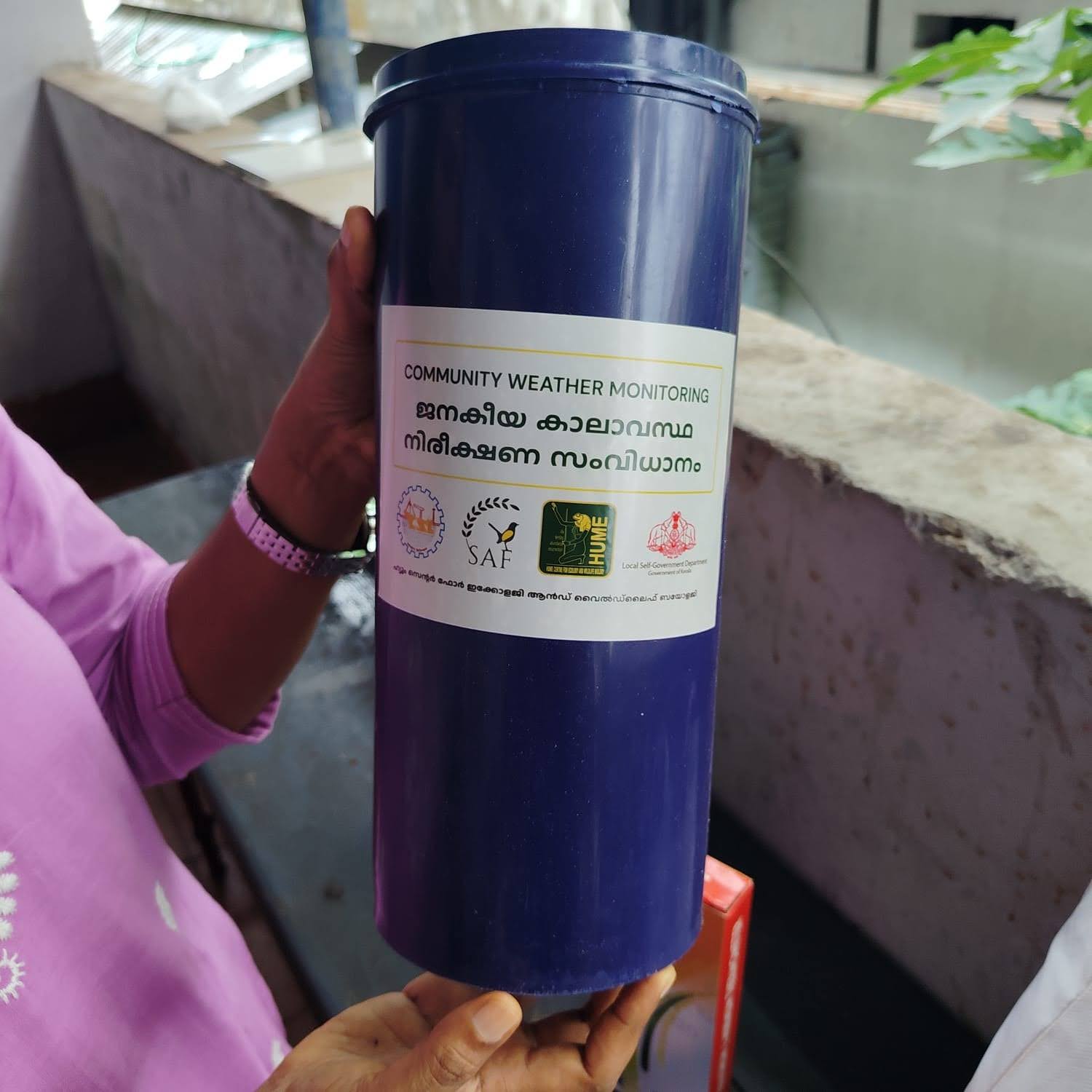
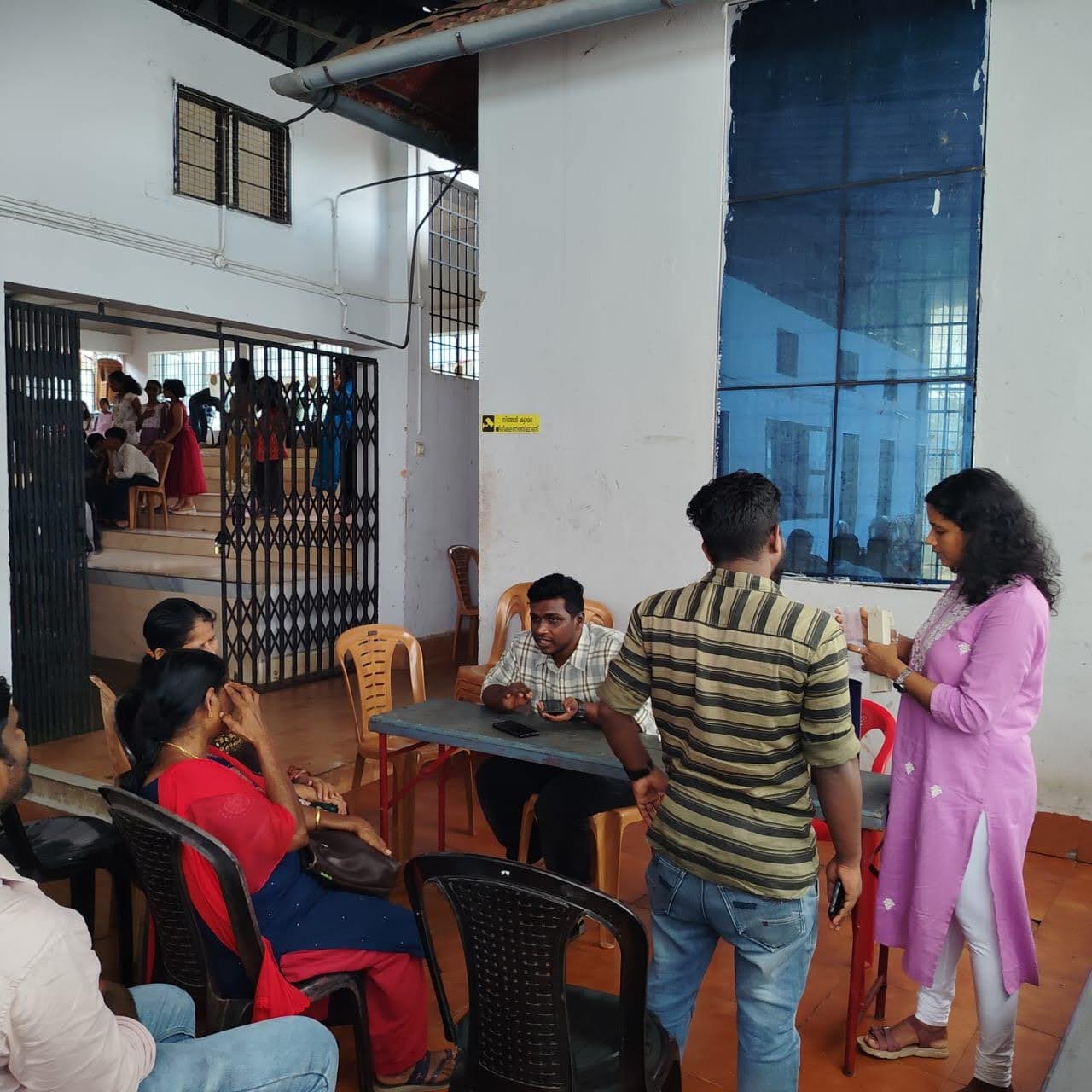
3a. Basic Rain Gauge meter 3b. Pavithra while explaining how to access . equipments like soil thermometer to farmers
4. Insights from Farmers of the Adimali Region
Roughly 12–13 farmers participated in the discussion, most above 45 years of age with decades of farming experience and first-hand observation of changing weather patterns and erratic climatic conditions. Most were large-scale farmers holding more than 5 acres of land on elevated, sloping terrain in the hills region, growing cardamom, nutmeg (Myristica fragrans), pepper, cocoa, coffee, and other spices, using a combination of conventional and traditional methods such as hybrid cardamom varieties alongside organic fertilizers and chemical insecticides.
4.1 Crops and Farming Practices
- Cardamom is the dominant crop; its higher profitability has driven a shift away from traditional crops such as pepper, cardamom-alternates, coffee, cinnamon, and nutmeg, reducing overall crop diversity.
- Pepper production has declined significantly due to diseases such as wilt (Druthavattam).
- Rice cultivation has changed considerably — Many farmers use traditional varieties and many farmers lack sufficient knowledge to manage the newer varieties. Hybrid seeds often perform well only in the first season, with poor performance in subsequent generations, whereas indigenous communities possess traditional seed varieties preserved and successfully cultivated for generations.
- In tribal areas, farmers cultivate rice varieties such as Kunjunj, H4, and Vellamunda, with Vellamunda grown mainly for straw production. Some farmers now cultivate rice primarily for straw, and while a local brand called 'Punchipetty Rice' has been developed, production and marketing remain limited — at present, sale of paddy straw (Vaikkol) generates more income than the rice itself.
- The Agriculture Department is currently promoting mushroom cultivation, but market support for mushroom producers remains insufficient.
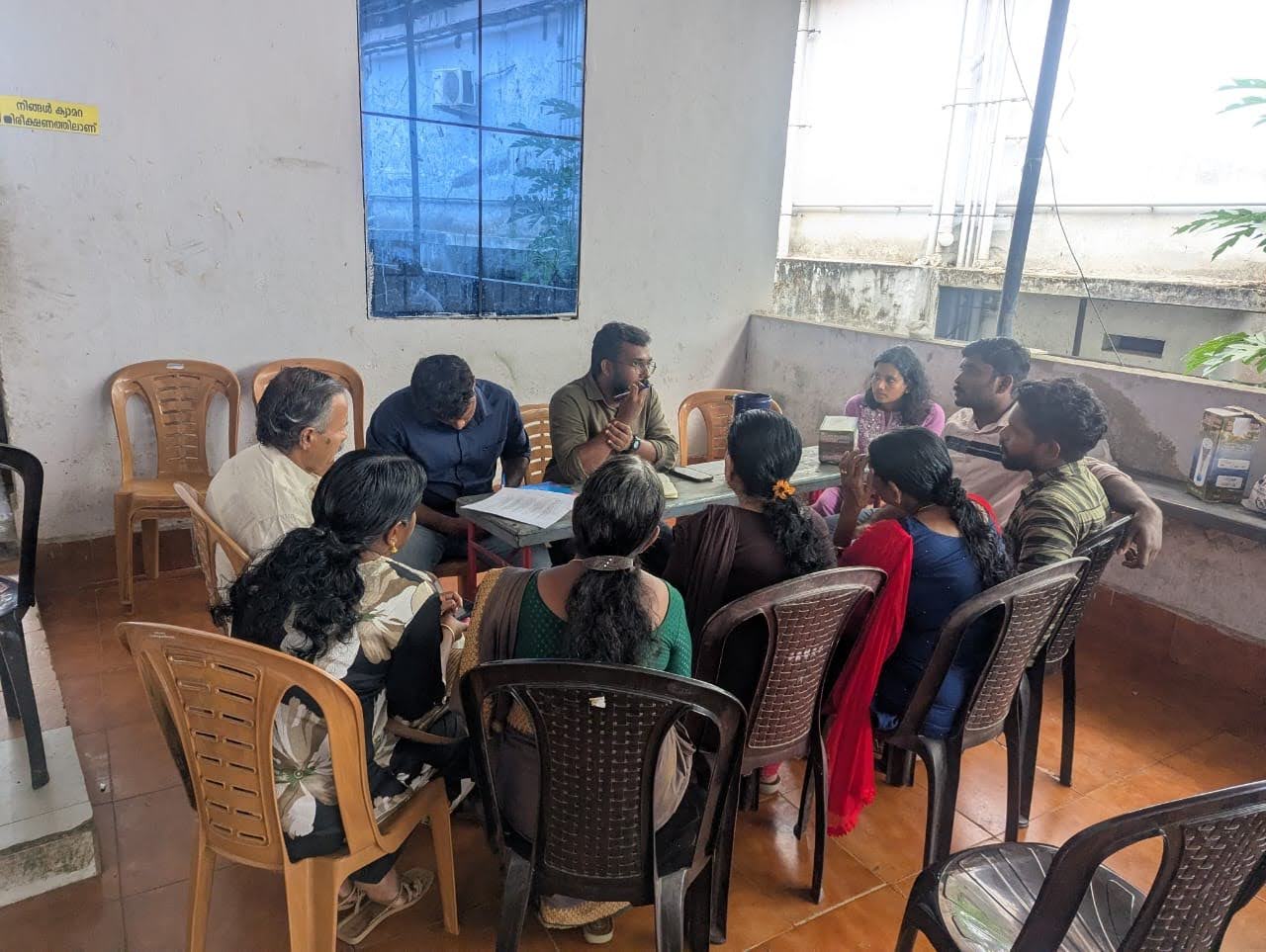
1a.During focus group discussion with farmers
4.2 Soil, Inputs, and Water
- Farmers reported that soil test results are often inaccurate due to improper sample collection, handling, and processing by both farmers and officials, along with limited awareness of scientific soil sampling methods.
- The region lacks adequate soil testing facilities and advisory services. Farmers suggested establishing soil testing laboratories at the panchayat level and engaging trained local volunteers, supported by KVKs, to improve soil sample collection and interpretation of results.
- Although soils generally have good organic carbon content, nitrogen deficiency is common. The decline in indigenous cattle rearing has reduced the availability of organic manure, increasing farmers' dependence on Jeevamrutham.
- Agriculture is highly dependent on rainfall and farm ponds. Water scarcity, inadequate irrigation, and recurrent drought frequently cause cardamom plants to dry up, while excessive irrigation has increased the incidence of crop diseases.
- Poor groundwater recharge, wetland reclamation, and inadequate infiltration have intensified drought conditions. Farmers emphasized the need for water conservation measures, wetland restoration, and canal irrigation systems.
- Farmers expressed concern that the current fertilizer distribution scheme provides equal quantities to all farmers irrespective of landholding size and recommended that fertilizer allocation should be based on the cultivated area.
4.3 Seedlings, Machinery, and Technology
- Farmers reported that the procurement of seedlings through the quotation system often causes delays, resulting in late distribution and missed planting seasons. Government-supplied seedlings are also perceived to be of poor quality or arrive after the monsoon.
- Farmers lack adequate training in scientific planting methods and emphasized the need for capacity-building alongside the supply of planting materials.
- Delays in seed distribution remain a recurring issue. Farmers suggested increasing their representation on the Panchayat Advisory Committee to improve the timely availability of seeds.
- Machinery provided under government schemes is often distributed without adequate training on its operation and maintenance, limiting its effective use.
- Farmers highlighted the need for community-level infrastructure, including cardamom dryers, paddy transplanting machinery, and oil extraction units, to reduce post-harvest losses and enhance value addition.
- Mechanisation remains inadequate in tribal areas, with limited access to machinery rental services, particularly during peak agricultural seasons.
4.4 Pests, Diseases, and Wildlife
- Farmers observed a decline in beneficial insect populations alongside an increase in the incidence of new insect pests.
- Pest management currently relies on light traps, insect traps, organic pesticides, and chemical pesticides; however, farmers emphasized the need for field-based Integrated Pest Management (IPM) practices.
- Crop losses caused by wild boars, rodents, elephants, monkeys, and increasing insect infestations are substantial. Farmers requested greater support for electric and solar fencing in vulnerable areas.
- Tribal farmers reported health risks associated with pesticide use in nearby cardamom plantations, where inadequate awareness and limited access to personal protective equipment expose workers, particularly women, to pesticide-related health problems.
4.5 Land Rights, Schemes, and Subsidies
- The absence of land titles (Pattayam) or formal lease agreements prevents many farmers, particularly tribal and smallholders, from accessing government schemes, subsidies, crop insurance, and solar irrigation support.
- Farmers reported that government support for animal husbandry is largely directed towards larger livestock owners, with limited benefits reaching small-scale farmers.
- Agricultural extension services were perceived as inadequate, as field-level visits by officials were often considered procedural rather than providing technical guidance and problem-solving support.
- Farmers felt that irrigation subsidies and produce procurement systems benefit suppliers and intermediaries more than farmers, and recommended direct benefit transfers to improve transparency and flexibility.
- The requirement for farmers to contribute 60–70% of project costs under subsidy schemes makes them financially inaccessible, with farmers perceiving that contractors and companies receive greater benefits.
- Although crop insurance schemes are available through the Agriculture Department and the Coffee Board, many farmers are unable to access these benefits due to the lack of land ownership documents.
- Farmers emphasized the need to shift from short-term, scheme-based interventions to long-term, need-based agricultural support, including dedicated funding for branding and marketing of agricultural products.
4.6 Labour and Livelihood
- Labour costs have increased considerably, with daily wages ranging from ₹500 to ₹800 and reaching up to ₹1,200 per day during peak seasons, while labour shortages continue to affect farming operations.
- Farmers emphasized the need for technology-based training and greater mechanisation, along with proper training in the use of modern agricultural equipment.
- Farmers proposed integrating MGNREGA with agricultural activities rather than limiting the programme mainly to public works such as road maintenance, to help address labour shortages while supporting agricultural production.
- Farmers highlighted the benefits of collective farming in reducing labour shortages and lowering cultivation costs, though changing attitudes towards farming were noted as an additional challenge.
4.7 Marketing and Certification
- Farmers do not receive fair prices for their produce; middlemen capture a significant share of profits, and price fluctuations are common, with different traders offering different prices for cardamom on the same day.
- The absence of a Farmer Producer Organisation (FPO) weakens farmers' bargaining power; farmers suggested facilitating the formation of FPOs, particularly as most are smallholders practising mixed cropping. (Thalir Natural currently functions as the local FPO for spices.)
- Some farmers sell cardamom directly in Rajakkad instead of Adimali to reduce dependence on middlemen.
- Farmers follow the Participatory Guarantee System (PGS) for organic certification but noted inadequate monitoring under PGS, stressing the need for NPOP certification to improve market acceptance.
- Farmers addressed the need for a Minimum Support Price (MSP) or fair price mechanism for major crops such as cardamom and coffee, similar to support provided for other agricultural commodities, to guard against loss from erratic climatic conditions and price fluctuations.
- Farmers need better market access — the Mankulam–Munnar road has high tourist traffic and offers good opportunities for direct sale of local produce.
- Farmers pointed out difficulty marketing surplus production, as experienced with excess tomato and brinjal production in the previous year.
4.8 Beekeeping and Storage
- Farmers emphasized that the honey bee distribution scheme should include practical, field-based training and ensure the timely distribution of healthy bee colonies to improve productivity.
- Farmers also highlighted the need for adequate cardamom storage facilities.
5. Insights from Government Officials, Agriculture Department
The team met with the Agriculture Officer of the Adimali region, who explained the functioning of the department's work. The system includes a WhatsApp group inclusive of farmers and local stakeholders to facilitate timely communication.
5.1 Land Restoration and Cropping
- Traditional cultivation of ragi, millets, and mixed crops in tribal areas has declined as agricultural lands remained abandoned for decades. Restoring these lands can improve food security, livelihoods, and climate-resilient farming practices.
- Around 130 acres of abandoned farmland have been identified for restoration, with nearly 55 acres already brought back under cultivation despite various challenges.
- In Kattamudy, approximately 140 acres of paddy land have been reclaimed, leading to the revival of rice cultivation in the region.
- Farmers are diversifying beyond paddy by cultivating vegetables such as watermelon and cucumber, supported by departmental efforts in producing vegetable and pepper nursery saplings.
- Formation of farmer groups has played an important role in restoring abandoned lands and promoting collective agricultural activities.
- Expansion of commercial crops like cardamom has reduced the cultivation of traditional food crops, highlighting the need to balance cash crops with traditional farming systems for improved food security and sustainability.
5.2 Administrative Structure and Schemes
- Traditional cultivation of ragi, millets, and mixed crops in tribal areas has declined as agricultural lands remained abandoned for decades. Restoring these lands can improve food security, livelihoods, and climate-resilient farming practices.
- Around 130 acres of abandoned farmland have been identified for restoration, with nearly 55 acres already brought back under cultivation despite various challenges.
- In Kattamudy, approximately 140 acres of paddy land have been reclaimed, leading to the revival of rice cultivation in the region.
- Farmers are diversifying beyond paddy by cultivating vegetables such as watermelon and cucumber, supported by departmental efforts in producing vegetable and pepper nursery saplings.
- Formation of farmer groups has played an important role in restoring abandoned lands and promoting collective agricultural activities.
- Expansion of commercial crops like cardamom has reduced the cultivation of traditional food crops, highlighting the need to balance cash crops with traditional farming systems for improved food security and sustainability.
6. Visit to the Solid Waste Management Unit
- The plastic material collection facility near the Agriculture Office, Adimali, collects, segregates, and manages plastic waste from households, institutions, and agricultural activities.
- It is a Material Collection Facility runned by Haritha Karma Scena, a tram of women, employed by Kudumbasree- self help group and the entire unit is governed by local panchayats of the respective regions in entire Kerala.
- Collected plastic waste is sorted and transferred to authorized recycling facilities for further processing and reuse.
- The facility helps reduce environmental pollution by preventing improper disposal and open burning of plastic waste.
- The unit promotes awareness among farmers and the local community about responsible plastic waste management practices.
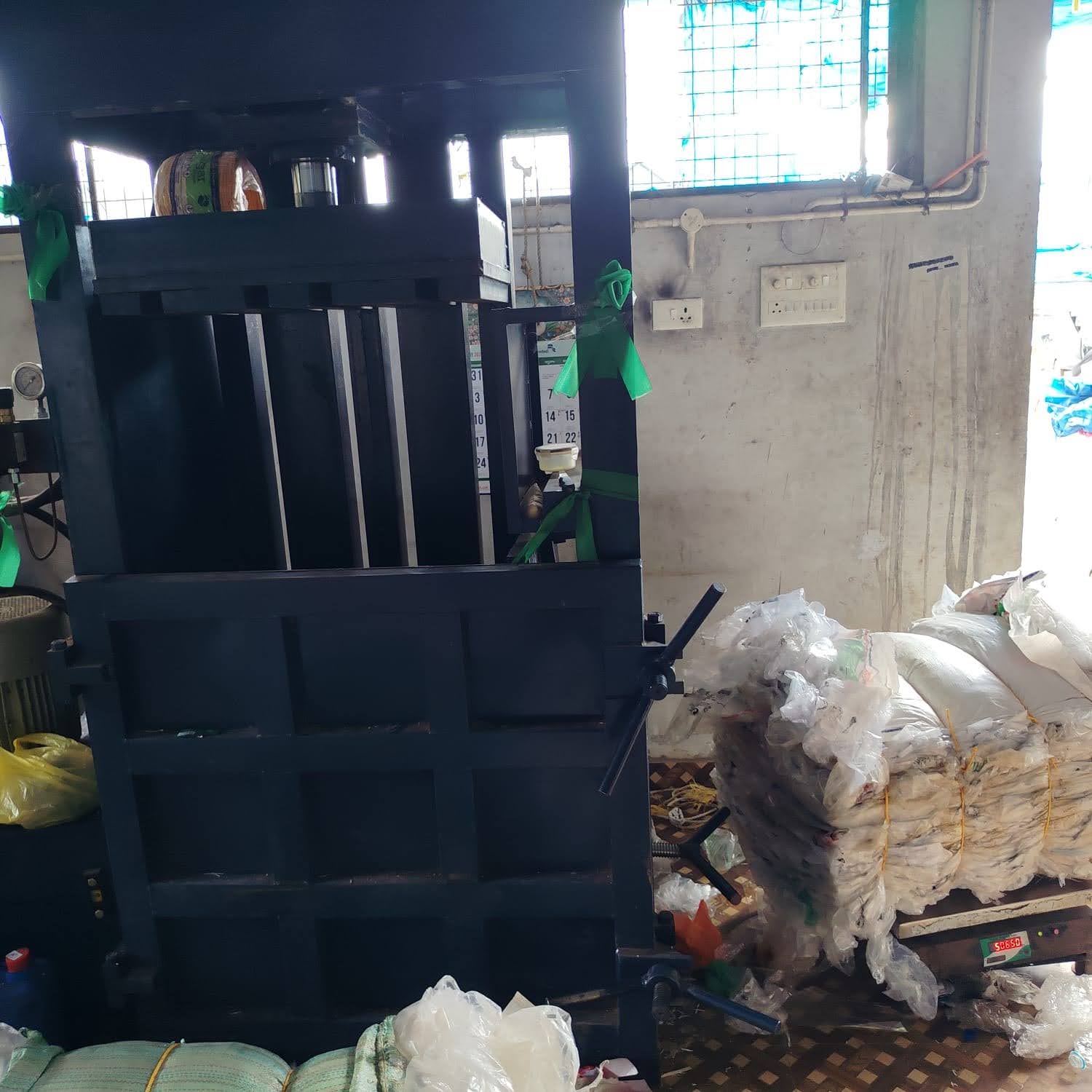
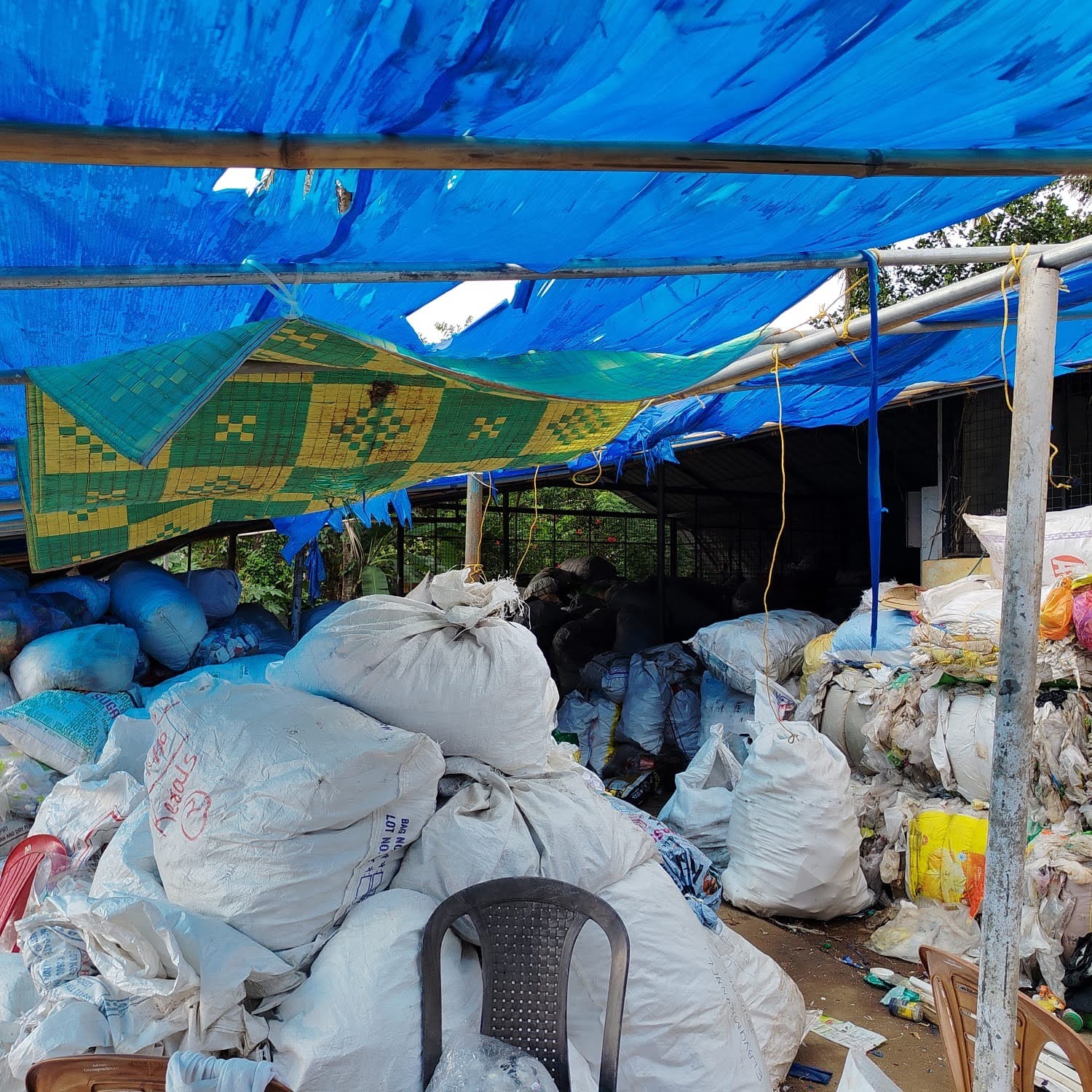
6a. Compression Unit in the facility 6b. Collection unit where plastics are segregated
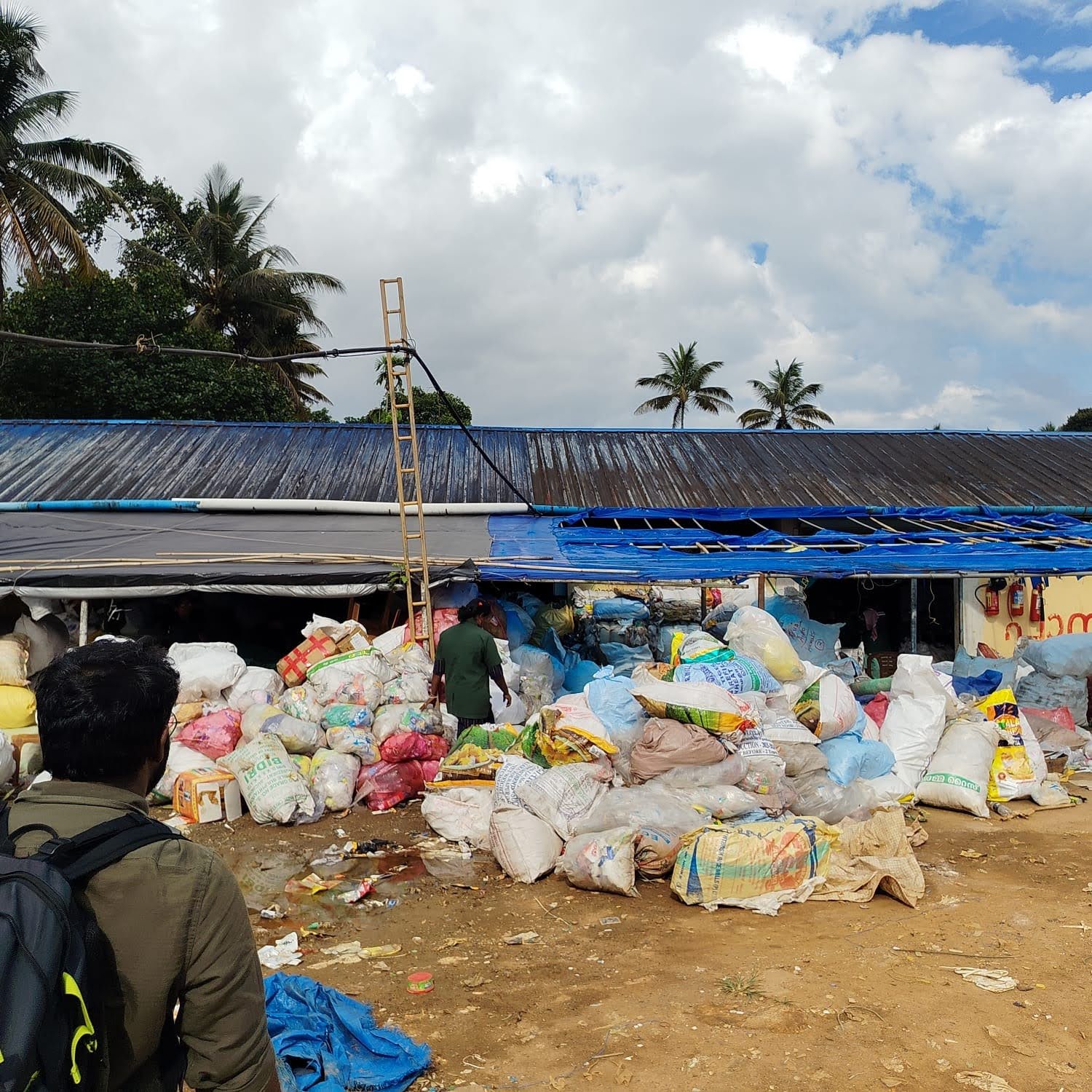
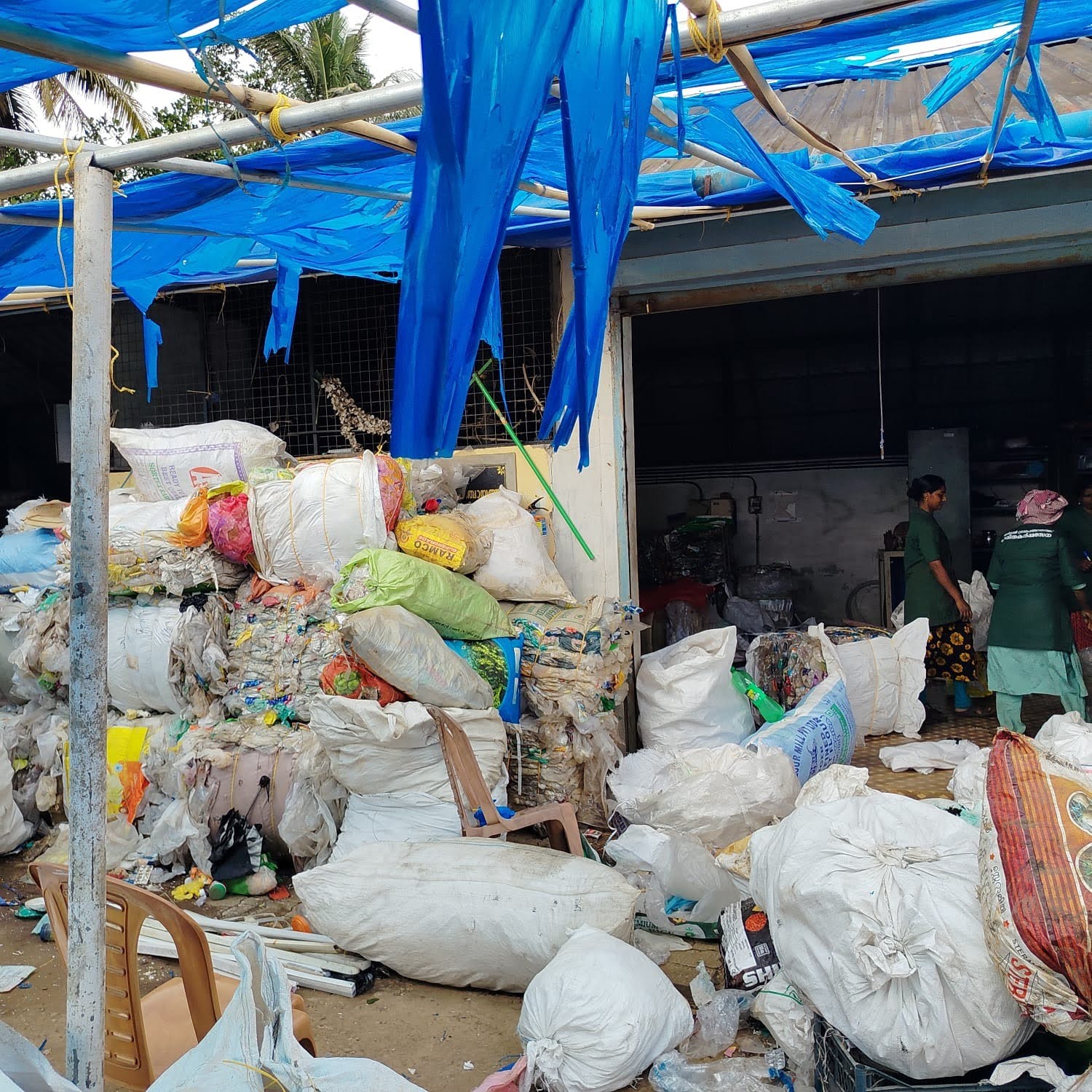
6c.Visiting the Plastic waste management unit 6d.Kudumbasree workers in the place
7. Key Suggestions came across the discussion
- Conduct regular awareness programmes and practical training for farmers on climate-resilient agriculture, balanced fertilizer use, pest management, and sustainable farming practices.
- Improve irrigation facilities by developing canals, ensuring water availability during dry periods, and promoting water conservation, wetland restoration, and groundwater recharge measures.
- Strengthen soil testing services by establishing laboratories at the panchayat level and creating local advisory support systems with KVK guidance for better fertilizer management.
- Ensure timely supply of quality seeds and seedlings by improving procurement systems and providing training on proper planting techniques.
- Increase support for crop protection measures, including electric and solar fencing, to reduce losses caused by wild animals.
- Simplify procedures for accessing government schemes, machinery, and crop insurance, especially for tribal and smallholder farmers facing land ownership issues.
- Provide subsidies directly to farmers’ bank accounts to improve transparency and allow farmers to independently carry out agricultural activities.
- Establish fair pricing mechanisms for major crops such as cardamom and coffee to protect farmers from market fluctuations and climate-related losses.
- Improve market access by promoting Farmer Producer Organisations (FPOs), direct marketing, organic certification, and reducing dependence on middlemen.
- Strengthen farmer groups and digital platforms such as WhatsApp groups for timely sharing of weather information, government schemes, and technical advisories.
- Promote traditional crops such as ragi, millets, and indigenous rice varieties along with commercial crops to improve food security and climate resilience.
- Develop community-level processing and storage facilities, including cardamom dryers and value-addition units, along with training for proper use and maintenance.
- Link MGNREGA activities with farming to address labour shortages and encourage collective farming practices.
- Improve awareness and safety measures for pesticide use to protect agricultural workers, especially tribal farmers and women labourers.
- Strengthen coordination among farmers, government departments, and NGOs to provide continuous technical support and implement long-term climate adaptation strategies.