Field notes from Focus Group Discussions with farmers in the Cauvery Delta
Introduction
The Climate Resilient Agriculture (CRA) project aims to strengthen climate resilient agriculture across Tamil Nadu, Kerala, Maharashtra, and Bihar by building alliances among farmers, Food Producer Organisations (FPO), research institutions, agri-business firms, consumers and government departments. The key objectives are to identify grassroots agricultural and climate-related challenges through focused group discussions, promote capacity-building programmes for farmers, develop pilot CRA models, and facilitate convergence with existing government schemes and policies.The expected outcome of the project is to create sustainable and climate-resilient farming systems, improve stakeholder coordination, enhance farmers’ adaptive capacities, and support long-term agricultural sustainability and livelihood security.
As part of the initiative, Megha (ASAR), Prabhakaran (Poovalgin Nanbargal), and Abdul Suban (CAG) conducted focused group discussions in villages of Nagapattinam district and Mayiladuthurai district to understand issues related to water scarcity, irrigation infrastructure, cropping patterns, and livelihood challenges faced by small and marginal farmers.
Farmers revealed acute challenges related to water scarcity, degraded irrigation infrastructure, climate unpredictability, and complexities in current government policies.
Visit Schedule
- Day 1: Meeting with Ms. Jesu Rethinam Christy (Organiser, NGO SNEHA) and FGD at Agaroarathur.
- Day 2: FGDs at Korukkai, Melkoothangudi , Keelvelur, and Puliyur.
- Day 3: FGDs at Sengamangalam and Kaarapidaarai Therku, concluding with a visit to an organic farmer associated with Nammalvar at Vettaikaran Iruppu.
FGD map details
https://www.google.com/maps/d/u/0/edit?mid=1_kukP9xEpa3M2AbAi1Y5-_mpfLPimII&usp=sharing
Findings
1. FGD-Agara Orathur village (10.727454096421953, 79.79887441067342)
- The village is situated near to Uttamasholapuram check dam which is approximately 10 kms away from the Nagapattinam town.
- This is primarily an agricultural village, with paddy fields and farm labours everywhere. As it is more like a wetland region with clayey and black soil, the main crop here is paddy, and black gram.
- The check dam constructed at Uttamasholapuram, located 7 km upstream, has deprived 16 downstream villages of adequate water. Farmers demanded the construction of a new check dam further downstream to improve both surface and groundwater availability. They also strongly emphasized the need for restoration of river-connected irrigation channels.
- Farmers requested new grain godowns near procurement centres. Currently, they are forced to dry their wet paddy in sacks as the procurement centre lacks drier machines within their premises. This adds up to an extra expense of ₹40 per sack for drying. They must also safeguard the sacks in the open for nearly 10 days, as these are exposed to the risks of rain, sprouting, rodents, and theft.
- If it rains, farmers risk losing their entire investment and produce, resulting in heavy losses and perpetuating a vicious cycle.
- Cattle (cows, sheep, and hens) remain the only reliable source of income for most farmers. However, these animals frequently suffer from diseases such as Pink Eye, Foot and Mouth Disease (FMD), heat stress and more.
- Farmers demanded more veterinary facilities and public cattle sheds in the region. They also requested government support for mobile procurement vehicles (like tractors, backhoe loader) on a temporary/contract basis, especially during desiltation of canals.
- Women labourers do not own land for agriculture. Instead they work for daily wages in roles like drying paddy on the roadside.
- The farmers reported that extreme heat stress during the summer pushes both their land and themselves into survival mode, severely affecting their quality of life and preventing any meaningful improvement.
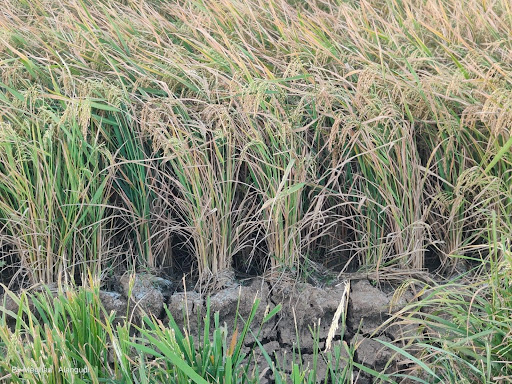
1a.Paddy field ready for harvest in farmland
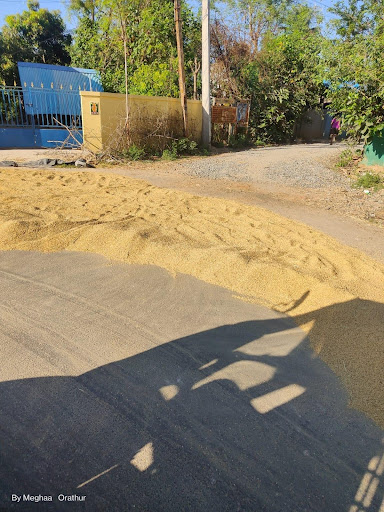
1b.Harvested paddy is dried in open roads near the procurement center
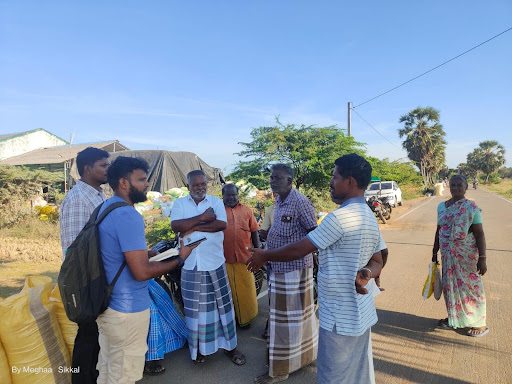
1c. Interacting with local farmers
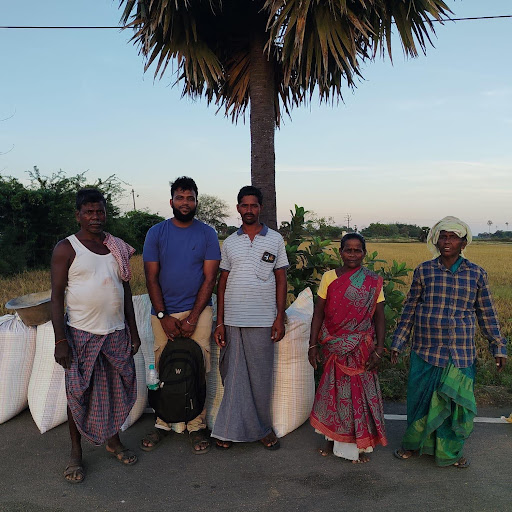
1d. With paddy collectors
2. FGD- Korukkai village (11.15482833064338, 79.60999854234055)
- This village is situated about 3 km from the Kollidam river.
- Farmers practice both conventional and traditional farming on the same land.
- The rice varieties they sow are Karuppu gowni , Kaatu yanam (grows well in flooded conditions), iluppa poo samba (bears drought conditions and hard water). Most of these varieties are 180 days crops.
- As there are four different types of land in this village, Nanjai, Punjai, Maanavari and Pallam, each land requires a different crop variety to be sown.
- Veteran farmer Mr. Janakiraman (a Korukkai farmer with over 50 years of experience and associated with Nammalvar ) spoke about the organic farming methods his group has been practicing for years.
- As a result, their land has become highly fertile, and they now rarely need external fertilizers — relying mainly on cow dung and urine from their own cattle as manure.
- The farmers say the reason for their shift to organic farming is to grow food without toxicity.
- Other key demands included restoration of nearly 120 lakes (99 urgently need desilting), effective crop insurance, and timely relief funds.
- Farmers expressed frustration at inconsistent attention received from the government.
- Farmers felt that if they were allowed to fix crops prices, it would help them manage their resources better.
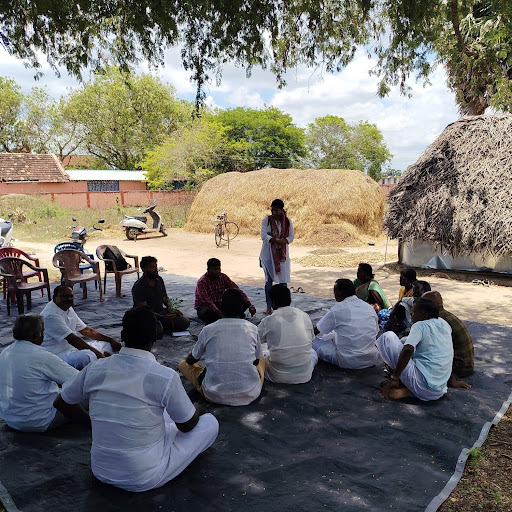
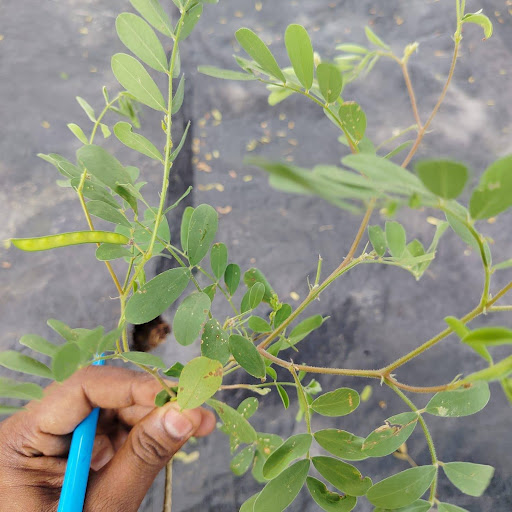
2a.FGD with leaders & farmers at Korukkai 2b.Kolinji leaf used for Green manure
3. FGD-Pulivalam village (10.75897208399491, 79.63880177719473)
- This village is situated near to the Vanjiar river (a branch of the Cauveri river).
- Paddy is the predominant crop grown in this region, together with black gram and green gram.
- Acute agricultural labour shortage (attributed to the MNREGA scheme by the farmers ) was the biggest complaint among the local farmers
- The native cow breed of this region, Umbalacheri, requires very low maintenance and is highly resilient to severe climatic conditions. This is the preferred livestock farmers here are rearing.
- An increase in the peafowl population has led to a decrease in snakes which controlled the rodent population, resulting in crop damage and loss.
- Farmers have therefore been forced to use poison to kill the pests, further upsetting the food chain. These toxins not only poison the soil but also decrease land fertility over time. .
- Female farmers highlighted difficulties in repaying Self Help Group (SHG) loans.
- Farmers demanded that insurance amounts be disbursed regularly.
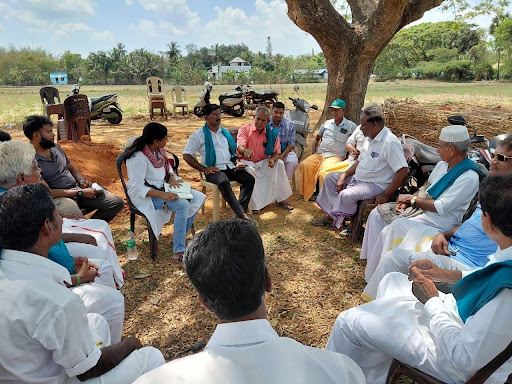
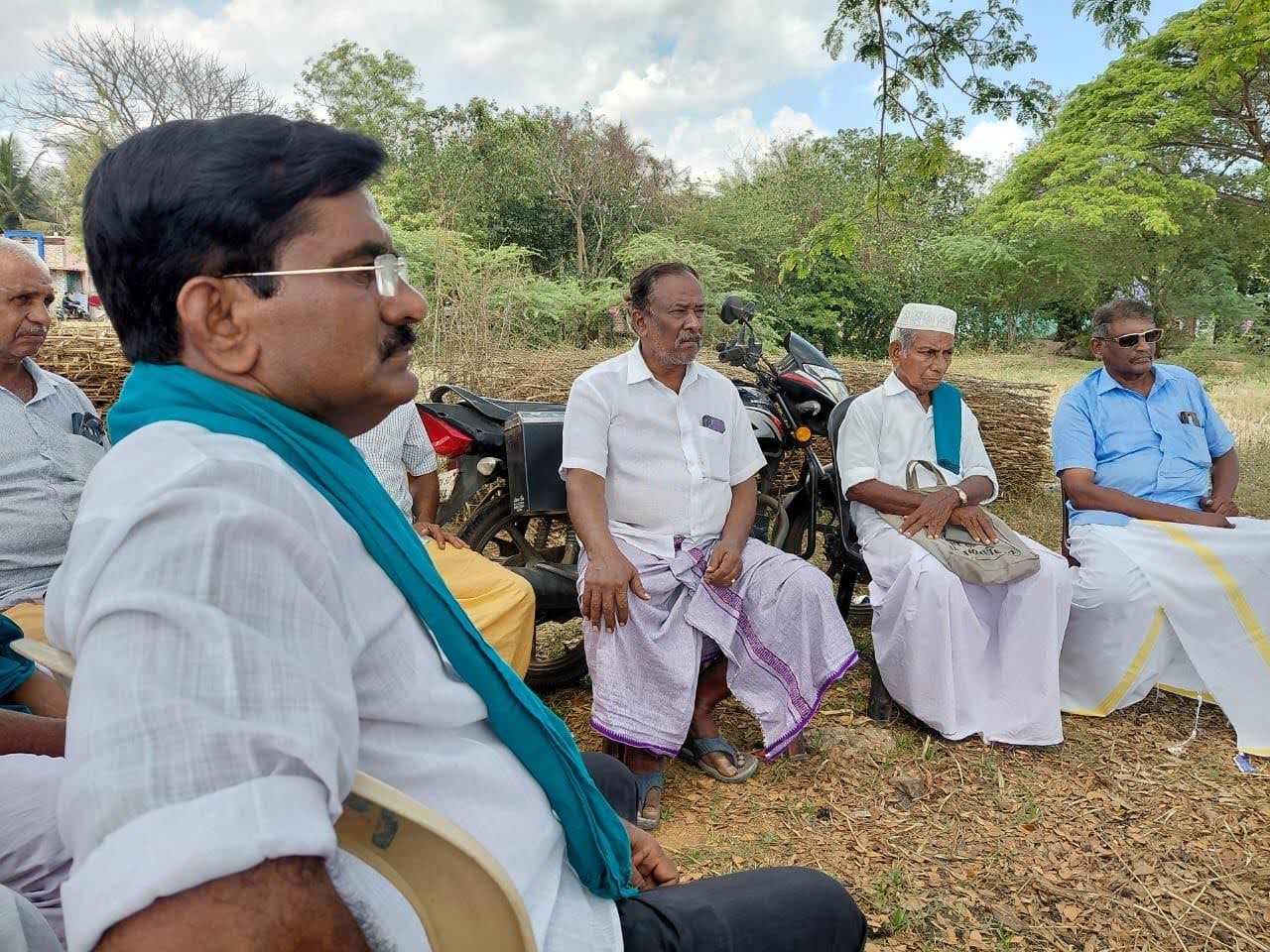
3a.Focus Group discussion with Pulivalam local leaders, 3b. Farmers demanding their requirements
farmers and seed producers.
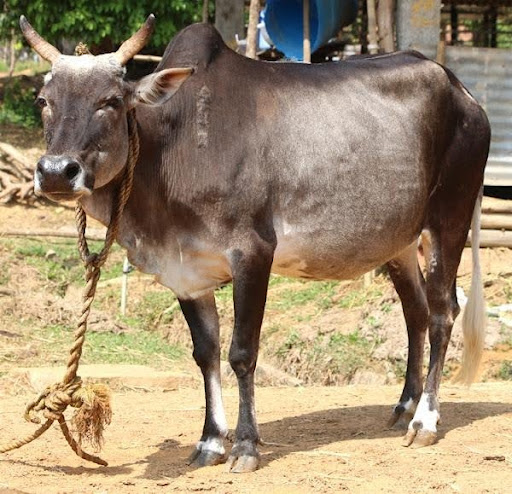
3c.Umbalacherry native cow breed
4. FGD- Kilvelur village (10.769133589148097, 79.7420498123826)
- Kilvelur is situated west of Nagapattinam town at a distance of roughly 13 kms.
- It is a quiet, small town built with ancient Chola-era Shiva and Vishnu temples.
- Erratic rainfall is reported in the region. Apart from this, rain water also runs off the land without recharging underground aquifers due to silted canals and lakes.
- A key concern by farmers was that the ₹5/kg seed production subsidy is provided only for newly introduced varieties and denied to older, proven climate-resilient and drought-tolerant varieties that perform better under current adverse conditions. The list of seed subsidies currently available for farmers is available here: Schemes
- Difficulties in weeding as some weeds have become very immune to most weedicides, adding to the threats to farm productivity.
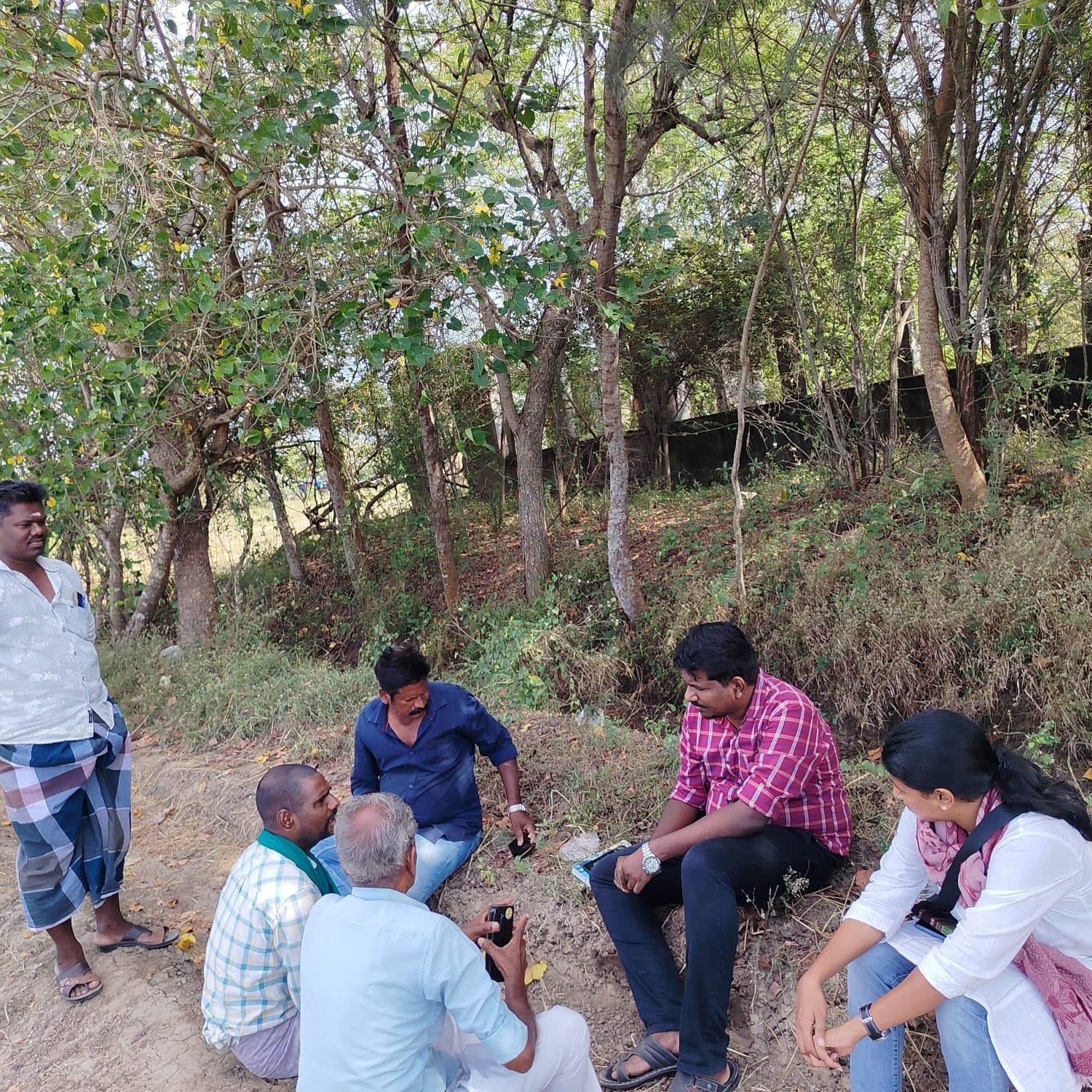
Talking to local farmers of Kilvelur.
5. Srirangadi Puliyur(10.771148618799764, 79.78200805727364)
- Srirangadi Puliyur is situated 7-8 km west of Nagapattinam town. It’s a typical quiet rural Tamil Nadu village with strong agricultural roots, temples, and emerging development
- Out of 33 water bodies in this village, 13 belong to temples and 20 to local stakeholders.
- Delayed supply of seeds and fertilizers under government schemes, complete absence of crop insurance, and increasing fungal infections on mango, coconut, and banana crops were the major issues.
- Stakeholders suspect these fungal attacks, which began around 5 years ago, are linked to the initiation of coal mines in the area.
- Farmers have pointed out the need for stronger support from the Tamil Nadu Agriculture Department in ensuring accurate soil testing, as discrepancies in results have contributed to improper nutrient application and crop losses.
. 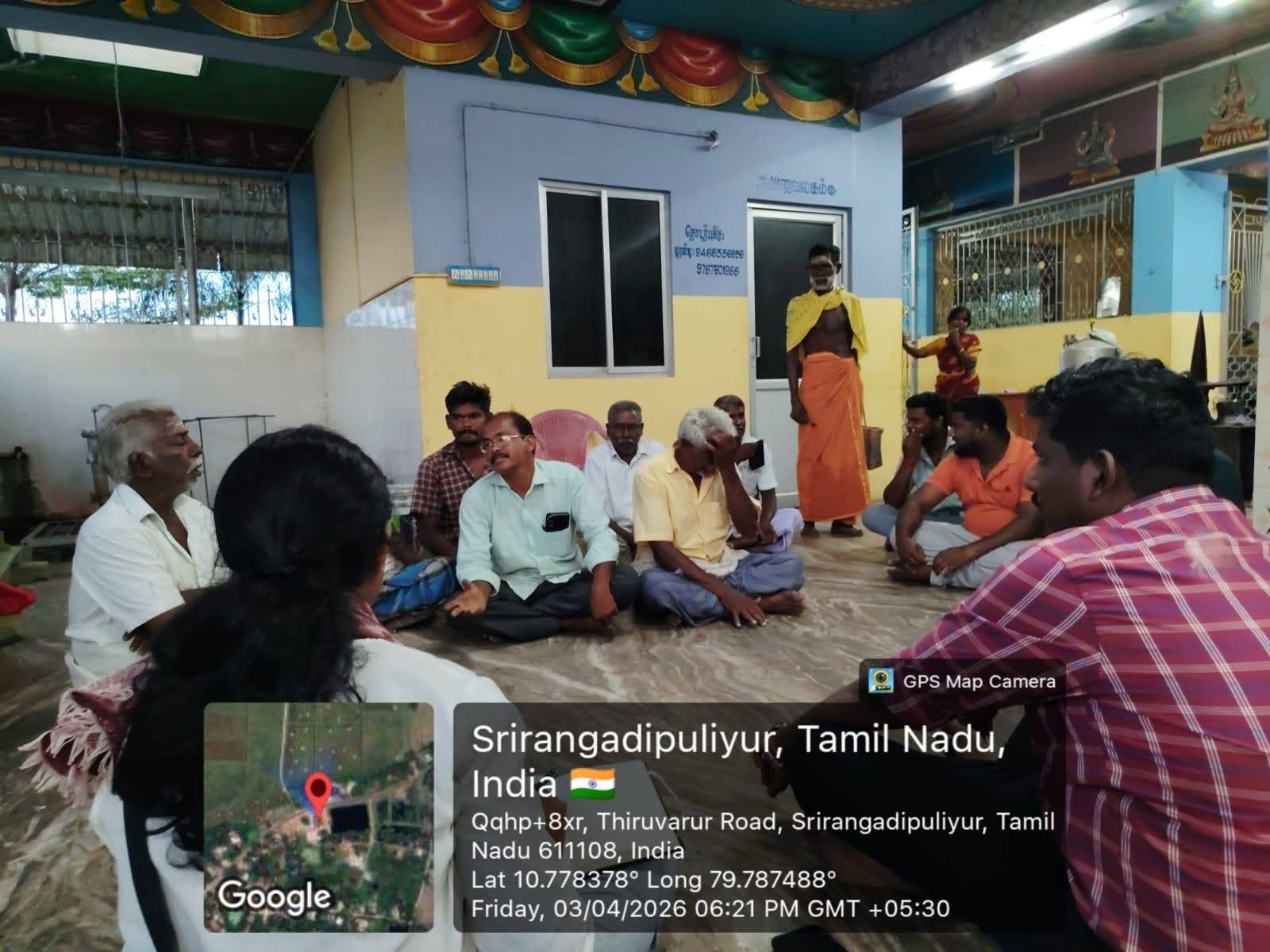
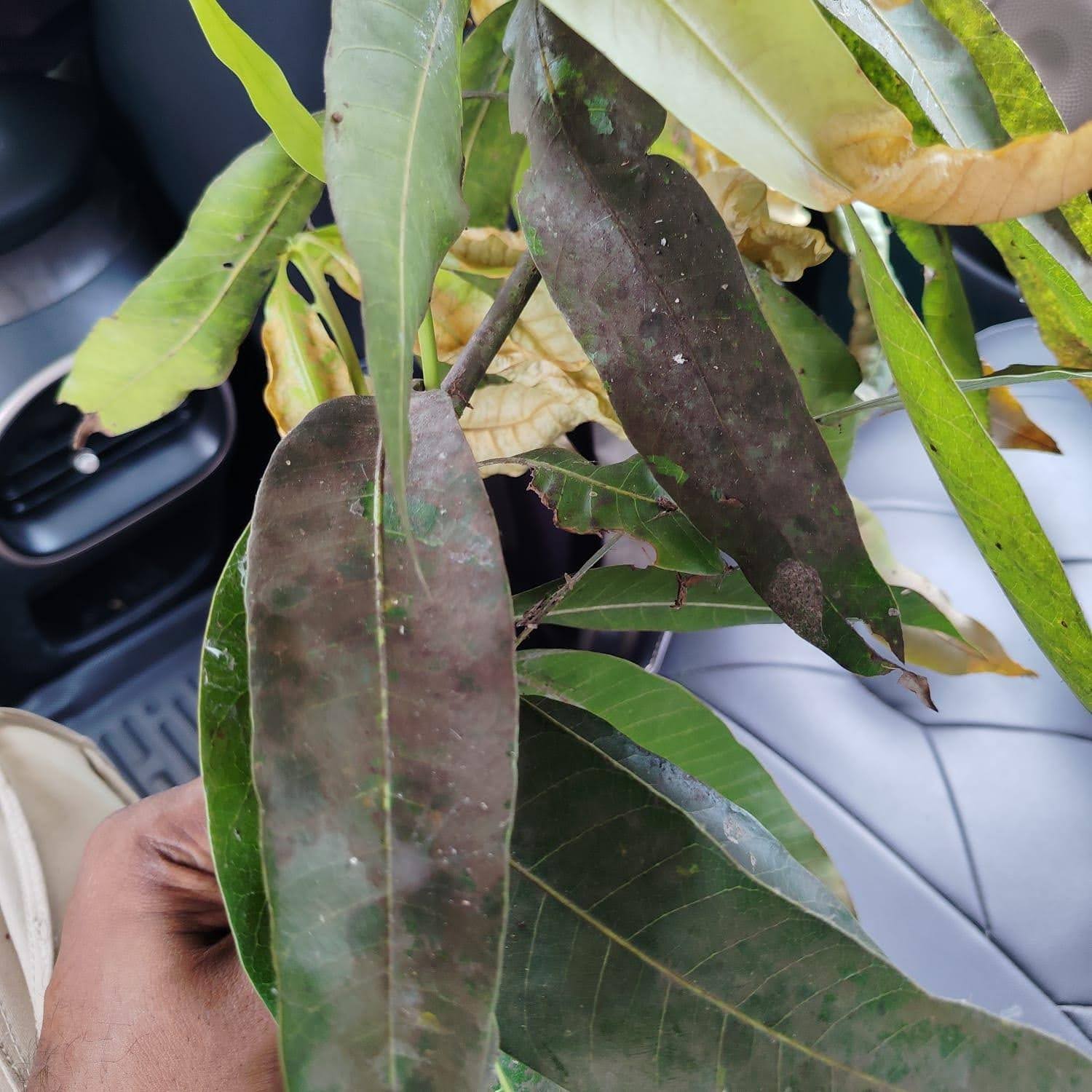
5a. FGD interaction with Puliyur farmers 5b.Fungus affected mango leaves
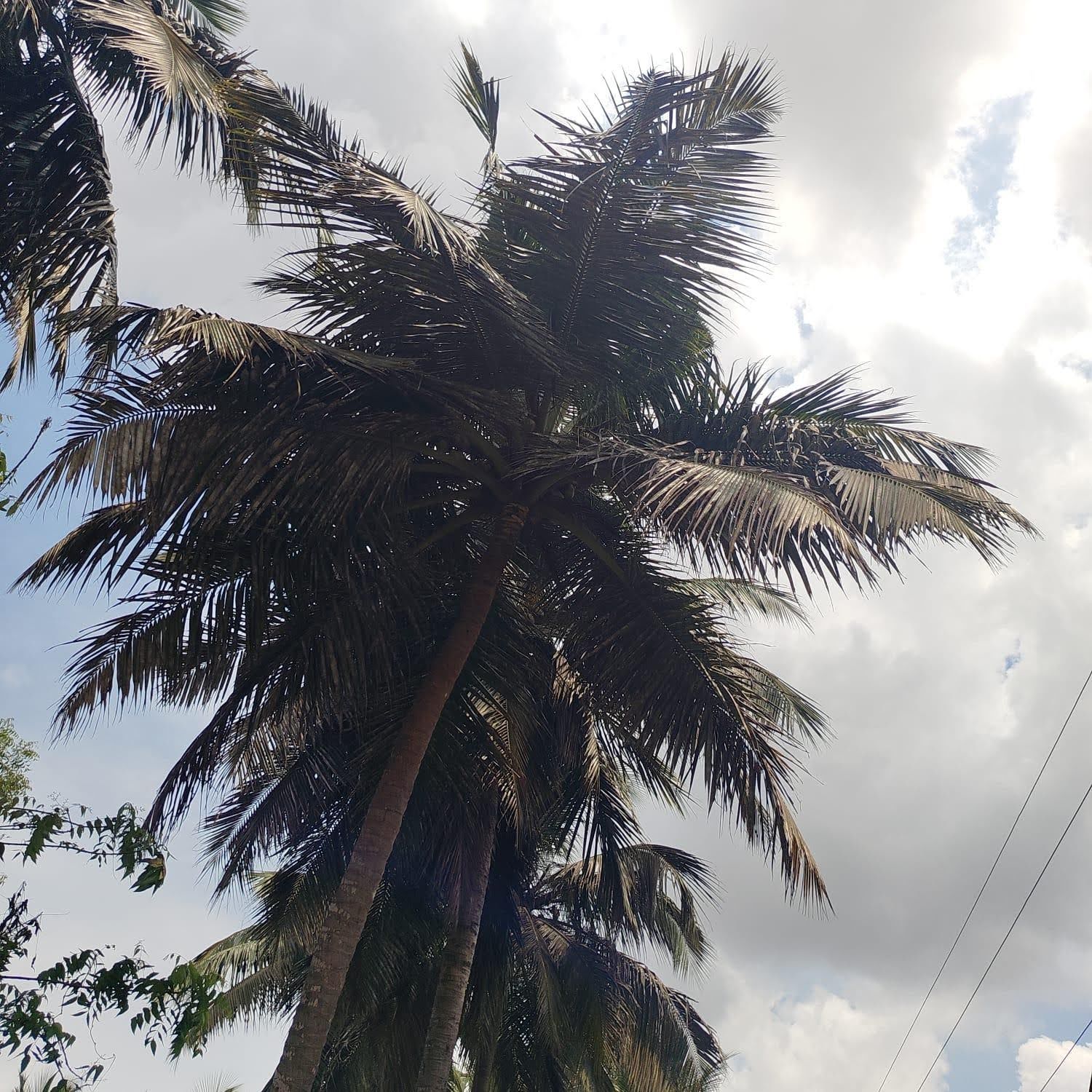
5c.Fungus affected Coconut tree
6. Sengamangalam (10.774320506723848, 79.79890419822745)
- Sengamangalam village is situated within a 2-3 kms radius of the Vettar river, a tributary of the Cauvery.
- There are 4-5 water bodies like lakes in the region, with the size of lakes varying from 0.5 acres to 3 acres on average.
- Most farmers are small and marginal landholders.
- Very few have borewells and therefore dependant on rain or water from the lakes. Cyclone damage has affected crop quality and market prices.
- Farmers demanded improved water facilities, proper drainage systems (including bore drainage in low-lying areas), and better water management.
- Due to various factors, farmers have not been able to form a Food Processing Cooperatives. These organizations convert the food crops into value added products like Oil extraction units. Ground nut, Sesame sweets making etc.
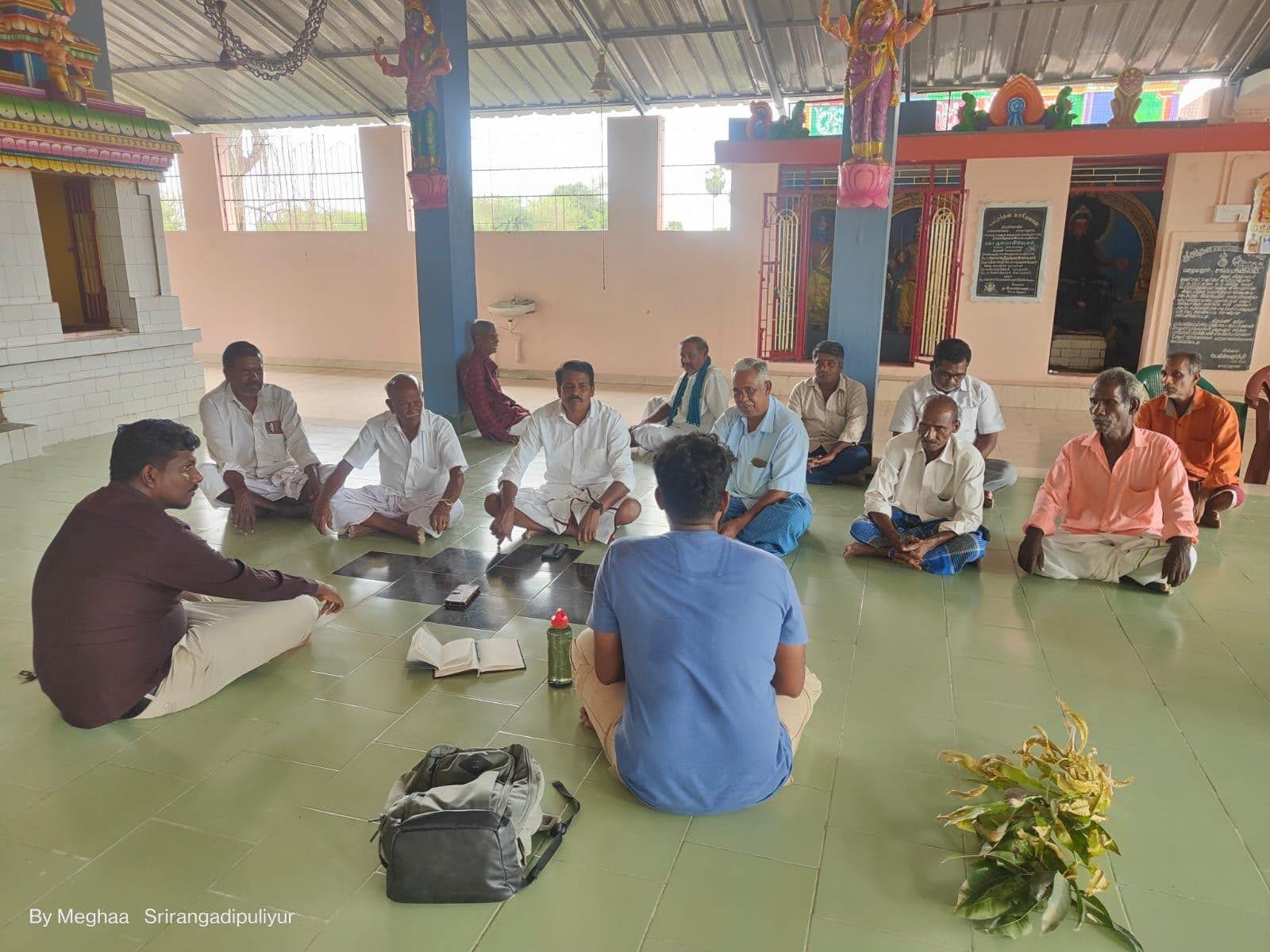
Talking to Sengamangalam farmers
7. Kaarapidaagai Therku (10.573418348798794, 79.81357704627712)
- Kaarapidaagai is situated close to the coast, leading to the mixing of river water with seawater and resulting in saline water conditions in the region
- The village has around 300 farming families.
- Paddy is the most grown crop here. Historically, ‘iluppa poo samba’ paddy which grows in saline condition was the preferred crop in this region.
- At present, this village is suffering from water scarcity with residents having to monitor even their household water usage.
- There is no piped water available in this village yet, forcing residents to buy from water tankers.
- Other water resources like lakes which fill up with rain water turn saline within 60 days,making it unfit for both irrigation and drinking.
- The village was rehabilitated with volunteer support from Chennai and other parts of India after the cyclone.
- Much of the village participates in shrimp aquaculture as salt water is readily available in the region.
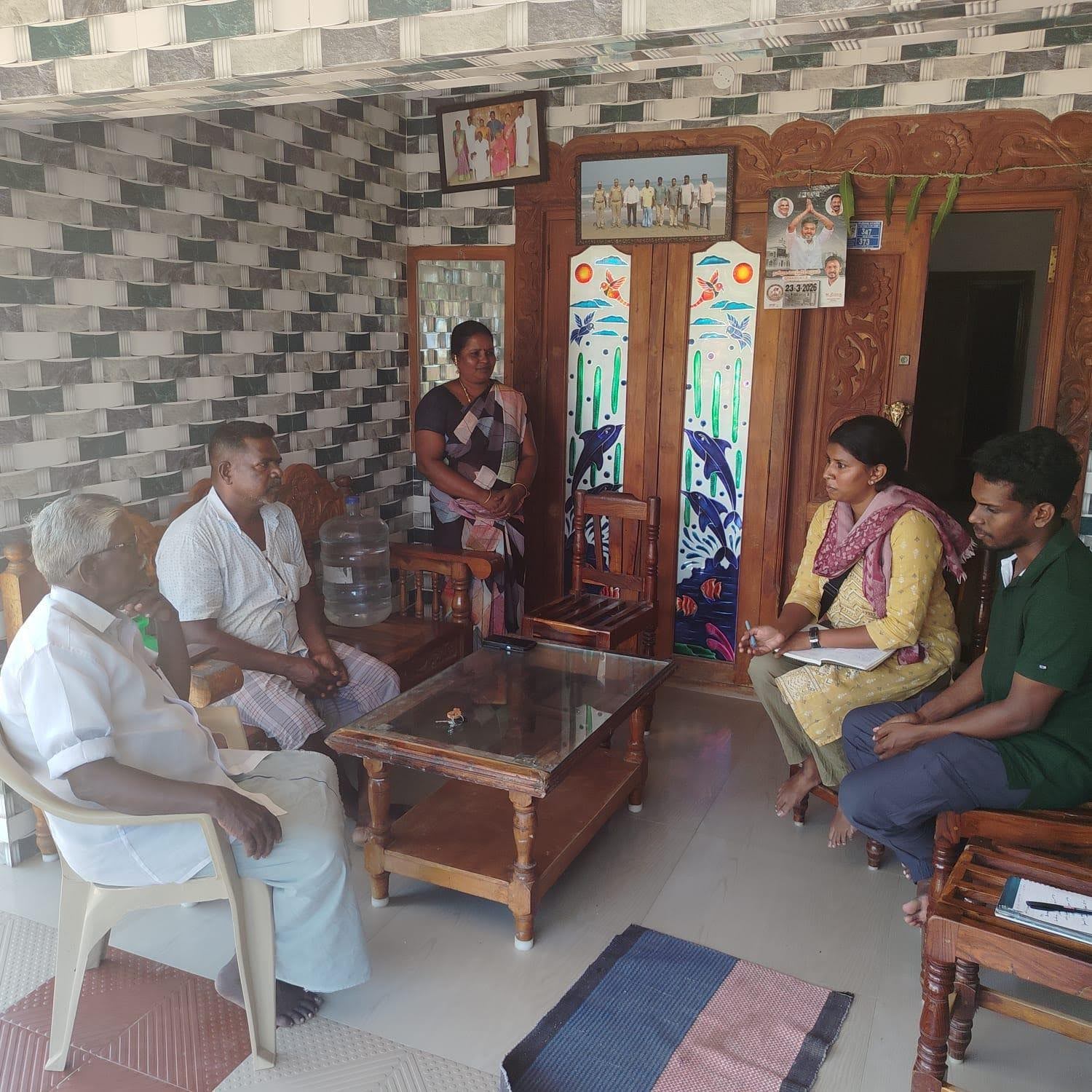
Key Informant Interview(KII)with local leaders of Kaarapidaagai Therku region, along with farmers
8. Concluding Visit Vettaikkaran Iruppu– Organic Farmer Rajasekhar (Associate of Nammalvar)
- The team interacted with an experienced organic farmer who has worked closely with Dr. Nammalvar (a renowned agriculturalist) for years, learning all the traditional and organic practices from him.
- The discussion focused on promoting farming of Calophyllum inophyllum trees for biodiesel production.
- These trees can provide a good income to farmers in the near future.
- Being a hardy evergreen tree, it can grow well even in low rainfall areas (as low as 1,000 mm annually) which helps mitigate the effects of adverse climatic conditions.
- The tree is widely used for coastal restoration. The oil extracted from its seeds is used as biodiesel, while the remaining cake is sold to industries for soap manufacturing at a good price. This provides additional income and benefits to farmers.
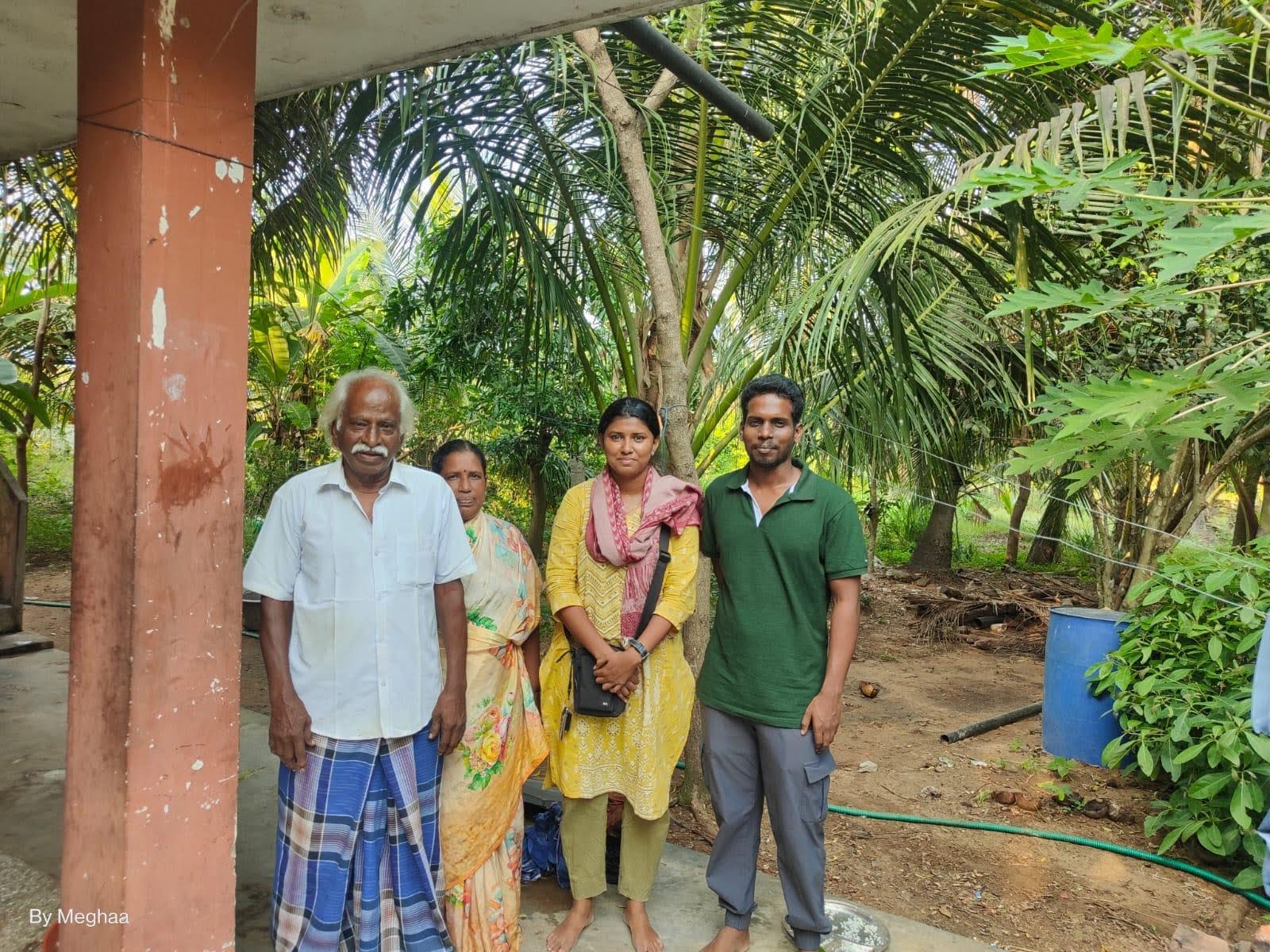
KII with Organic farmer related to indigenous farming.
KII- Key Informant Interview.
Farmers ways of farming in Endurance of the adverse climatic conditions
- Farmers use Tephrosia purpurea commonly called ‘kolinji’ as live green manure to fertilise their land. They plough the land along with the live plants available on farm land.
- People during the FGDs spoke about a farmer from Erode district who has invented a machine to reduce water salinity, making it suitable enough to use for irrigation purposes.
- Traditionally, farmers select the right seed for the right land and at the right time.
- For example, they grow Kaatuyanam in Pallam (low-lying land where water settles) during the rainy season, as it thrives well in flooded conditions. Similarly, they cultivate Vaadan Samba in Punjai (dry land) because it can withstand drought.
- Farmers have made their own Food Producer Organisations (FPO) to create a market for organic products in Korukkai headed by Mr.Jeyaraman.
- People in Kaarapidaarai region are very conscious about water use and interestingly have converted waste water into a source of irrigation for trees in their gardens.
- All farmers indicated willingness to shift to climate-resilient traditional rice varieties (Mapillai Samba, Thooya Malli, Kaatu Yanam, Karunkuruvai, etc.).
Common Cross-Cutting Issues
- Severe degradation of lakes, canals, and irrigation channels.
- One of the major challenges currently faced by farmers is the acute shortage of agricultural labour.
- Failure of crop insurance and relief systems (both government and private).
- Lack of FPOs and markets for organic produce.
- Inability to prove their food crops as organic because of a mix of fertilizers and pesticides leaching in from adjacent lands and through water used for irrigation
Recommendations by Farmers
- To construct new check dams and urgently restore lakes and irrigation channels.
- Introduce targeted subsidies for traditional drought- and flood-resilient rice varieties.
- Build storage godowns near rice procurement centres.
- Reform MNREGA implementation in delta districts to ensure availability of agricultural labour.
- Establish new FPO’s with strong market linkages for organic and traditional rice.
- Provide timely and transparent crop insurance and soil testing services.
- Initiate lake rejuvenation programmes and salinity mitigation measures in severely affected villages.
Conclusion
Farmers in Thiruvarur and Nagapattinam districts are ready to embrace climate-resilient agriculture and traditional farming systems. However, poor water infrastructure, policy implementation gaps, and absence of marketing support continue to hinder progress. Immediate and coordinated action by the government and NGOs is essential to strengthen resilience, reduce climate risks, and improve the economic condition of farmers in the Cauvery delta region.