Date: 18 December 2024
Venue: Hotel Rain Tree, R.A.Puram, Chennai
Lead contamination in consumer products, particularly aluminium cookware, presents a significant public health challenge. This comprehensive report integrates insights from two key events focused on the issue, drawing on the expertise of diverse stakeholders, including environmental organizations, policymakers, and researchers. Together, these discussions provide a roadmap for addressing the multifaceted challenges of lead contamination through regulation, consumer awareness, and technological advancements.
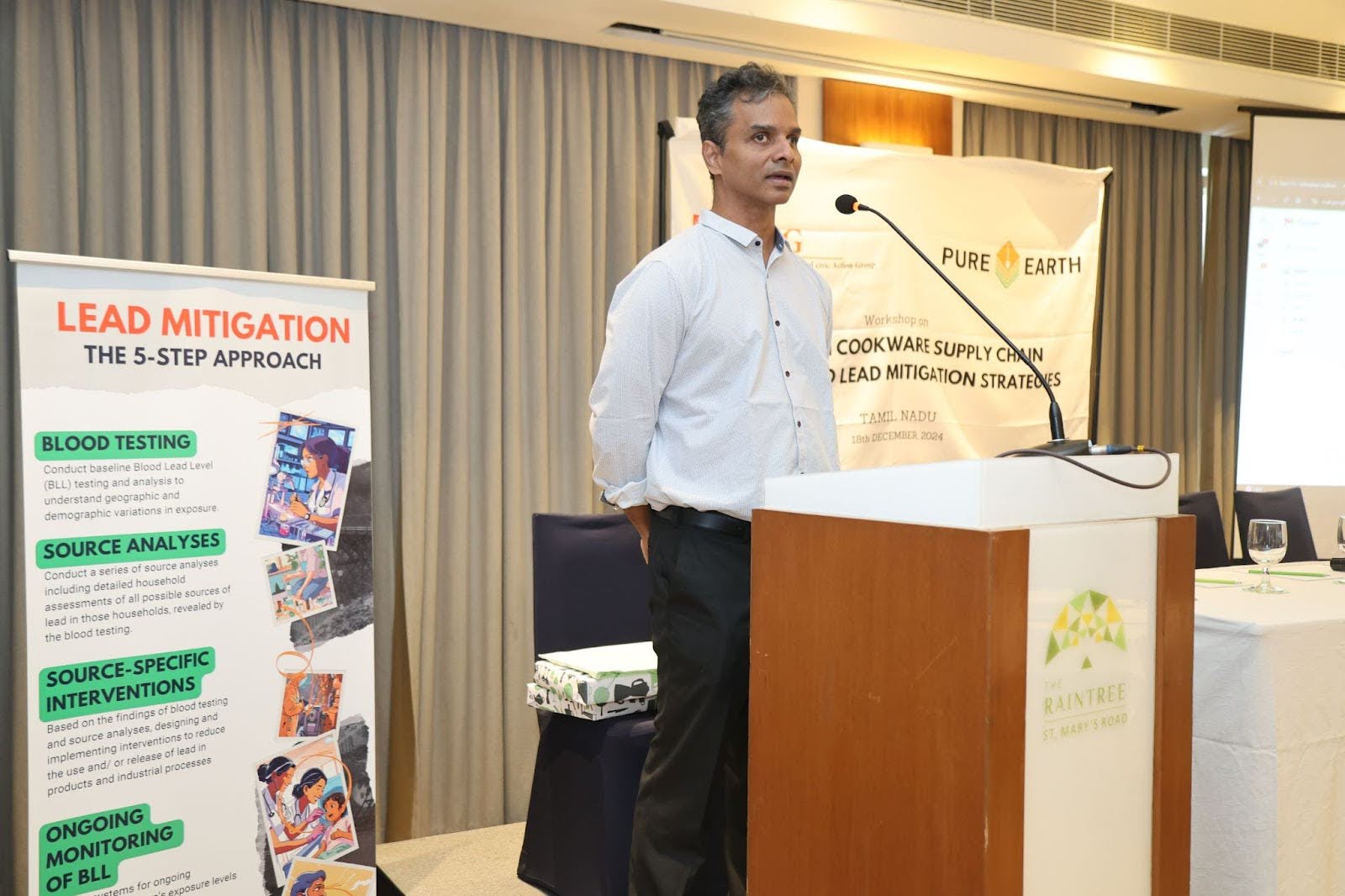
Mr.Vishnu Mohan Rao, Senior Researcher, CAG highlighted the success stories of CAG such as the implementation of the Noon Meal Scheme during Covid lockdown, the ban on single-use plastics in Tamil Nadu and the efforts to preserve the water bodies of Chennai. He also emphasized community-forced action research, policy advocacy and stakeholder engagement as drivers of meaningful change across various areas including environmental action, consumer protection, electricity governance, sustainable transport, solid waste management and food safety. Mr. Vishnu Rao also touched upon CAG’s current initiatives which include developing educational resources on climate change, supporting clean energy and promoting safe transport policies.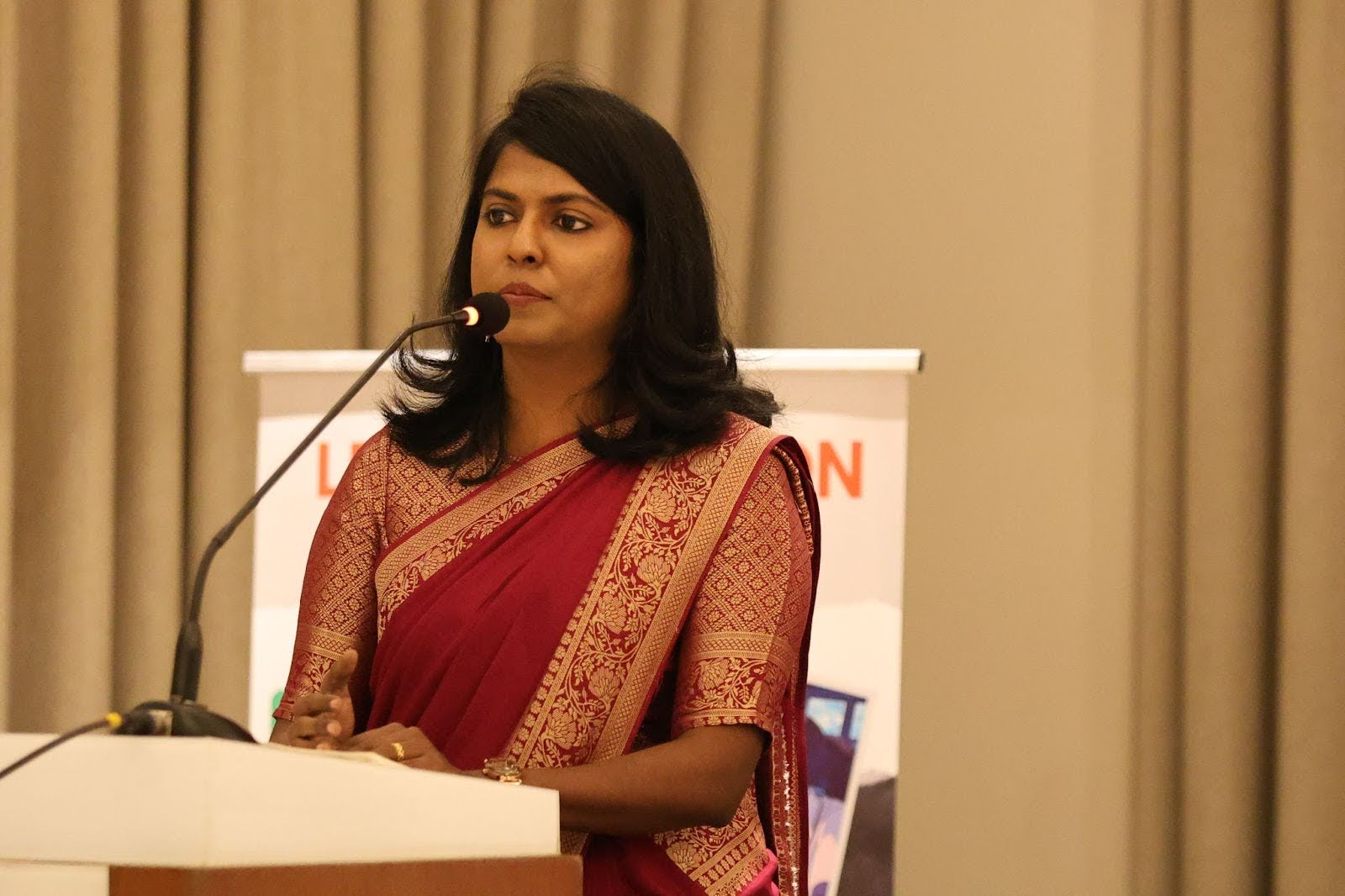
Ms. Emershia Sharmine, Program Manager, Pure Earth emphasized its focus on identifying and remediating toxic sites globally, with a particular interest in heavy metal contamination. Of the 5,000 toxic sites identified, 120 have been cleaned. Established in Delhi in 2006, Pure Earth has initiated projects in three Indian states. Adhering to WHO guidelines, the organization advocates intervention when blood lead levels exceed 5 micrograms per deciliter.
Studies indicate high lead levels in household products such as aluminium cookware, with X-ray fluorescence (XRF) testing revealing levels as high as 1,500 ppm—far exceeding BIS’s 500 ppm limit and the global standard of 100 ppm. These alarming figures underscore the urgency of addressing lead exposure, particularly for vulnerable populations like children.
Dr. Indhu Bhushan, (Distinguished Fellow (Pahle India Foundation), First CEO – Ayushman Bharath) highlighted the disproportionate impact of lead poisoning on children, linking it to a 10% reduction in educational outcomes. He emphasized the correlation between low-quality cookware and higher lead exposure in poorer populations. Despite its treatability, lead poisoning remains under-researched, limiting the efficacy of policy interventions. He called for comprehensive studies to document the prevalence of lead in cookware and other household items, especially in street markets.
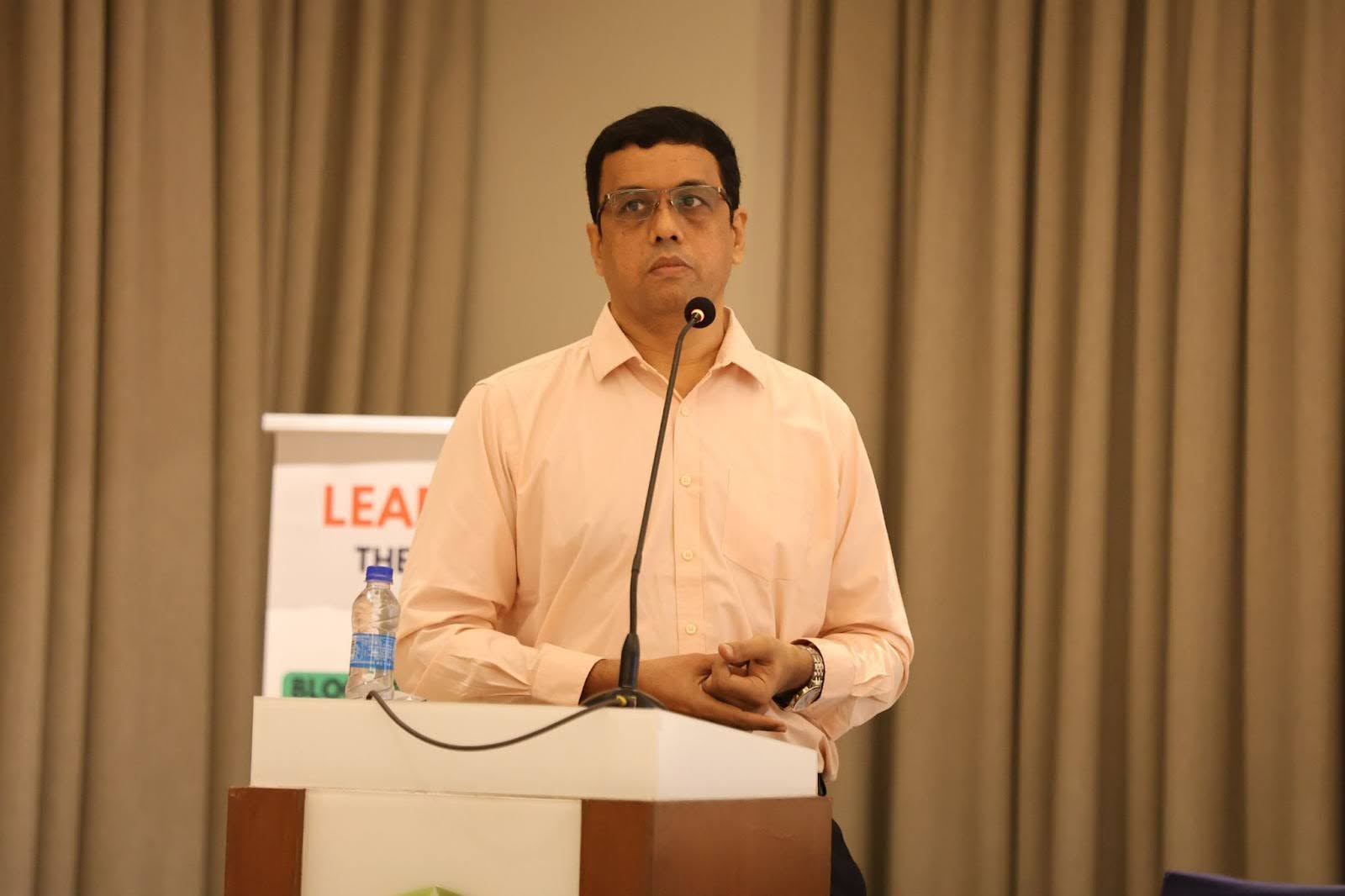
Mr. Satheesh, Consultant, CAG presented a study on Tamil Nadu’s aluminium cookware supply chain, which revealed significant lapses in regulatory compliance. Testing 44 cookware samples, he found that 82% contained more than 500 ppm of lead. Manufacturers’ reliance on recycled aluminium scrap—with lead levels reaching 3,000 ppm—is a primary source of contamination. Alarmingly it is noted that 89% of manufacturers were unaware of BIS standards.
He identified three stakeholder groups in the supply chain: primary producers using refined aluminium, secondary producers recycling scrap, and tertiary sectors preparing raw materials. The addition of lead and flux powder during production to reduce costs exacerbates the contamination problem. The study’s findings underscore the need for strict enforcement of standards and increased manufacturer awareness.
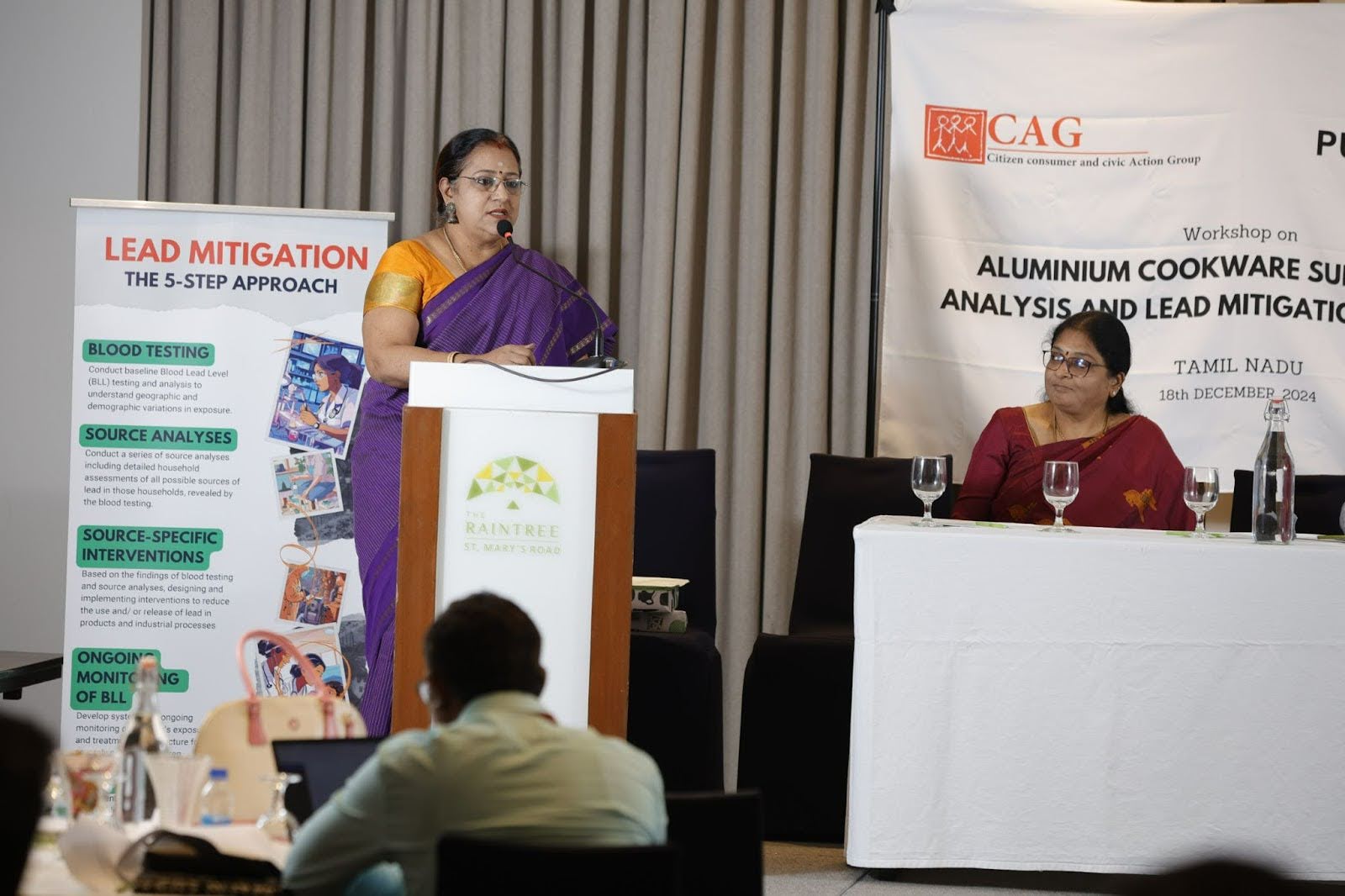
Ms. G. Bhavani, (Scientist & Director, Bureau of Indian Standards) outlined the Bureau of Indian Standards (BIS) regulatory framework to combat lead contamination. Starting April 2025, all aluminium cookware manufacturers must obtain BIS certification, with phased compliance for medium and small enterprises. Violations will result in penalties under Section 29 of the BIS Act.
BIS certification involves rigorous testing, factory surveillance, and annual license renewal. The BIS Care app empowers consumers to verify certifications, enhancing trust. Bhavani emphasized extending mandatory certification to more products and highlighted awareness campaigns targeting local communities. These measures aim to create a culture of compliance and consumer safety.
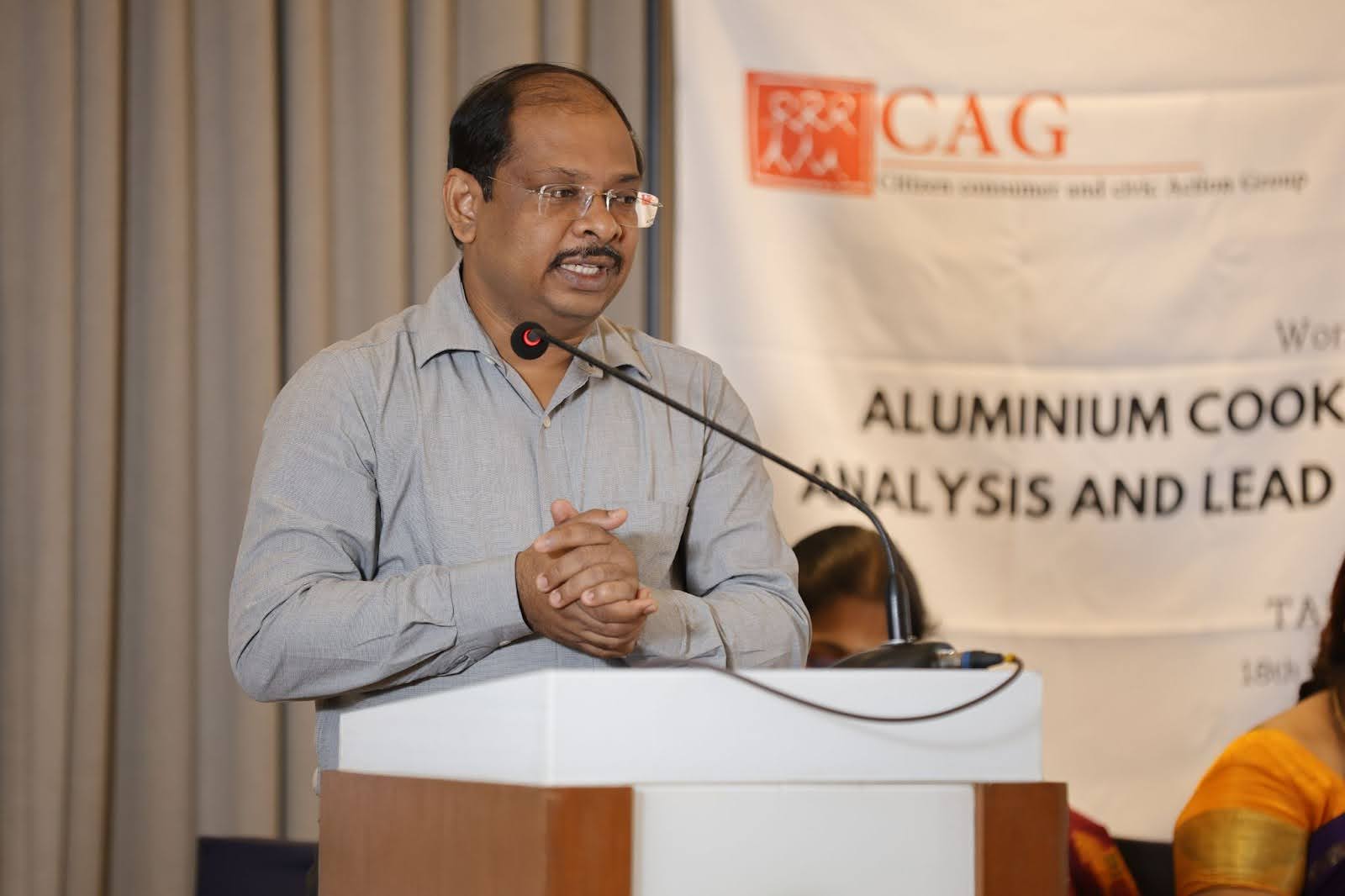
Dr. Senthil Kumar, (Joint Director - Communicable Disease, Department of Public Health) expressed concern over the inadequacy of testing protocols and their implications for public health. He highlighted the rising incidence of non-communicable diseases linked to lead exposure, particularly among laborers in informal sectors. He called for better data collection and stricter enforcement to address these gaps effectively.
PANEL DISCUSSION:
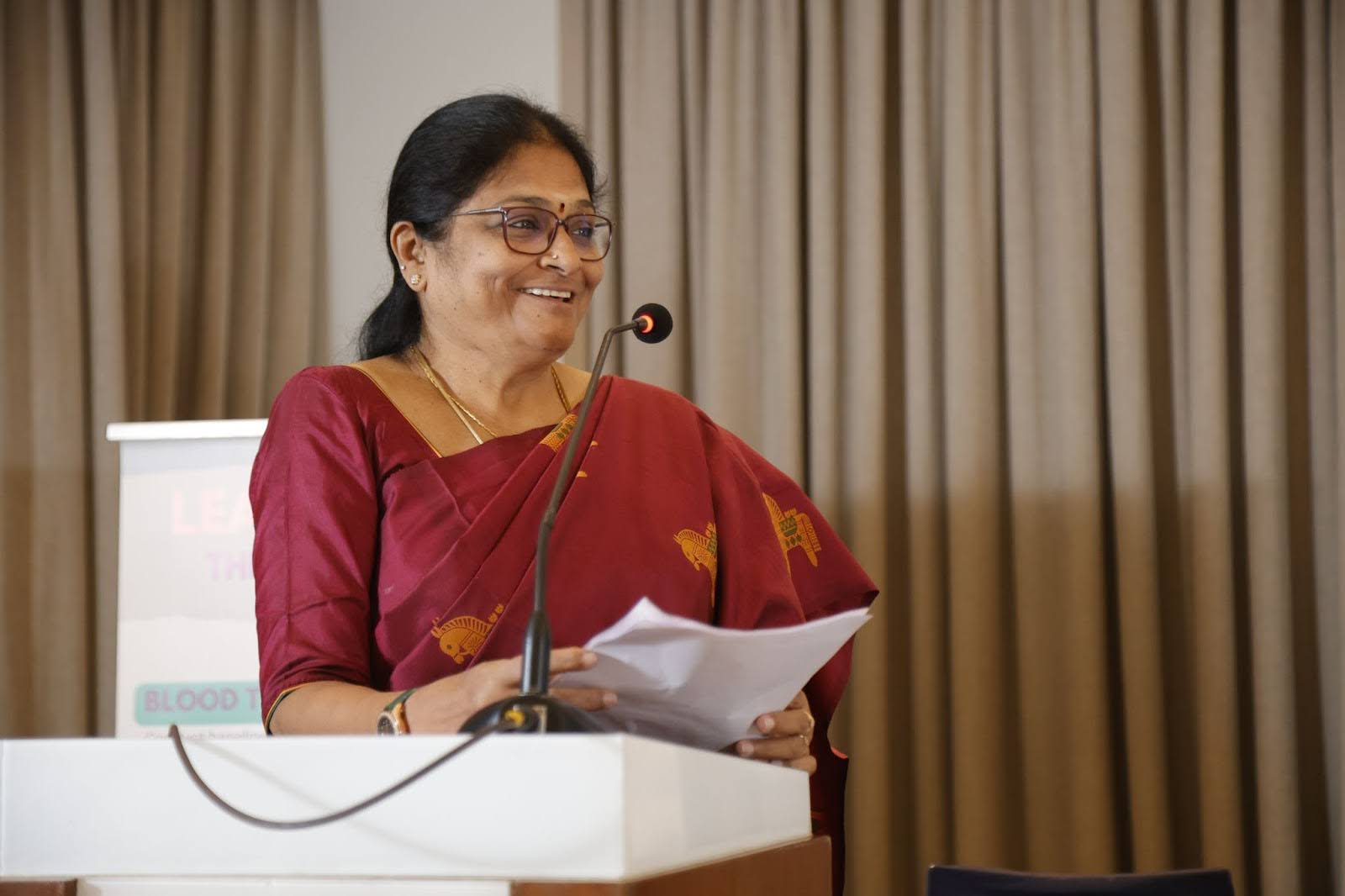
The panel discussion was moderated by Ms. Saroja. S, Executive Director, CAG.
The panellists were Mr. Kaushik, Prof. S. Ragunathan, Dr. Tiju Thomas, Mr. Arun and Mr. Arul Anand.
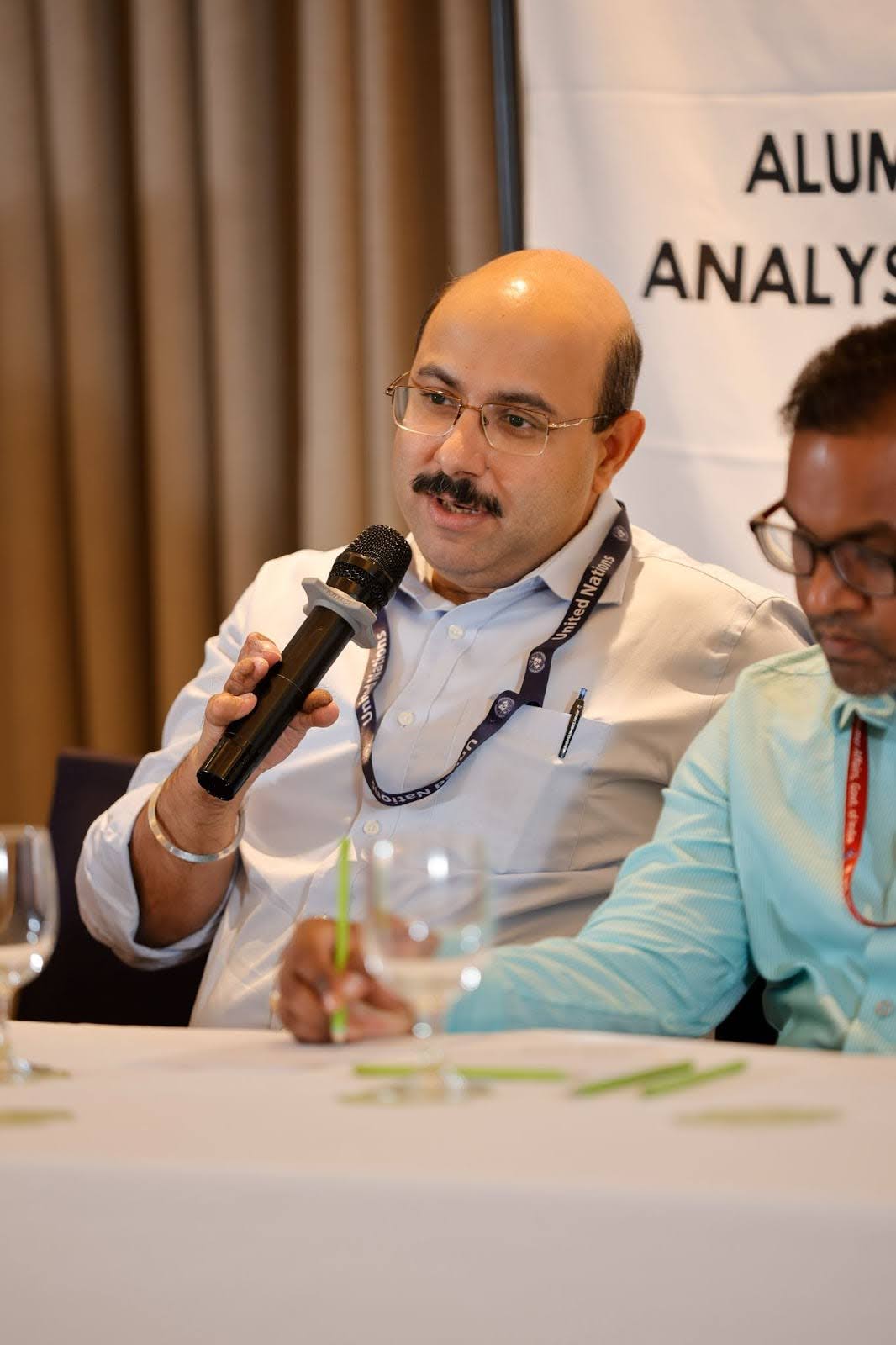
Mr. Kaushik, Health Specialist, UNICEF) presented sobering statistics, noting that 800 million children globally and 27 million in India suffer from lead poisoning. Tamil Nadu ranks sixth among Indian states for lead prevalence, with over a million children exhibiting unsafe blood lead levels. He described lead poisoning as a “silent epidemic,” emphasizing its long-term impacts, including intellectual disabilities, cardiovascular diseases, and reduced workforce productivity.
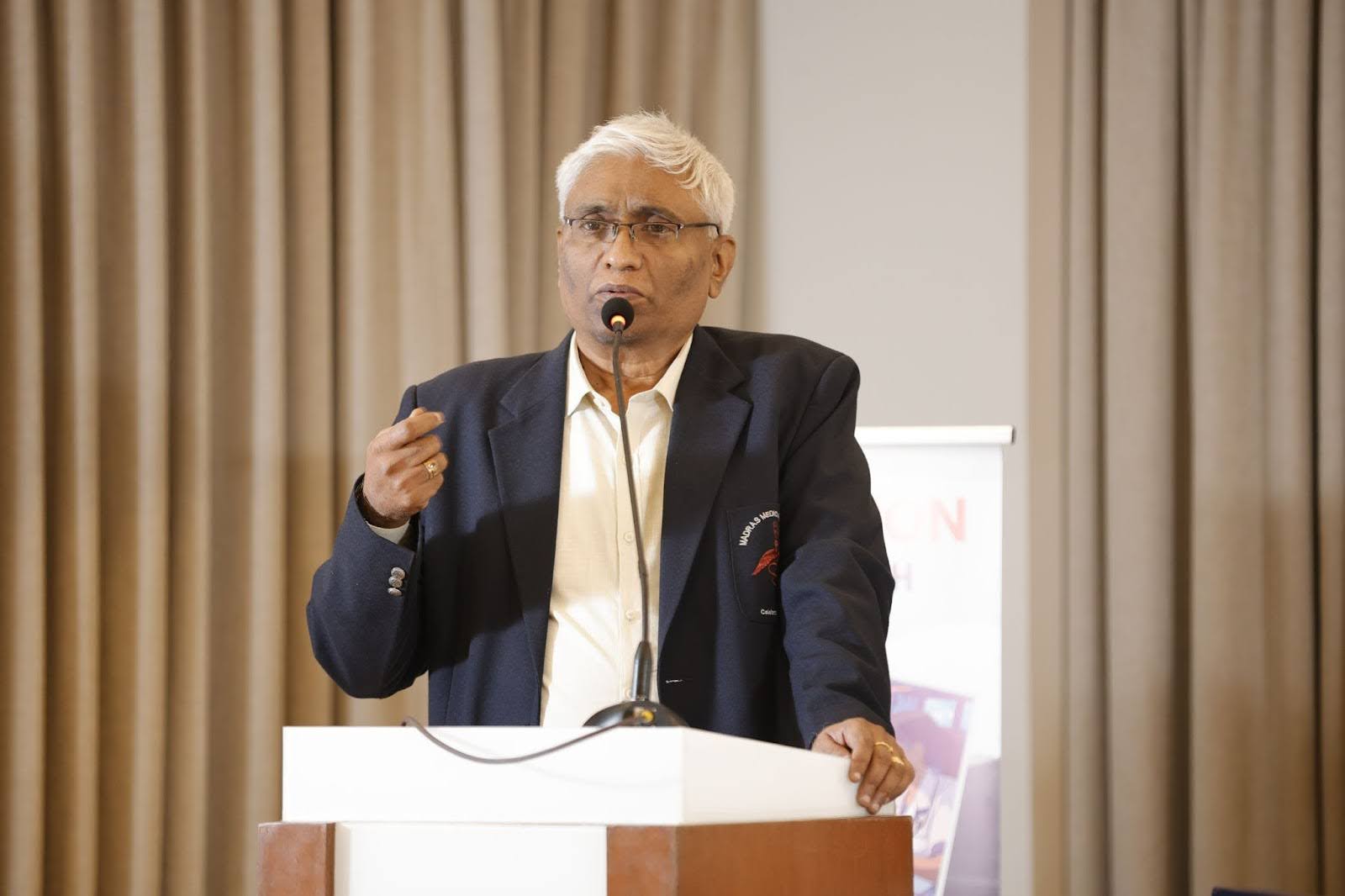
Prof. Ragunathan, (Former Director, Institute of Internal Medicine, Rajiv Gandhi Government General Hospital & Madras Medical College) elaborated on lead’s toxic effects, ranging from neurological damage to hypertension. While leaded petrol has been phased out, household items like paints, toys, and cookware remain significant sources of exposure. Chronic exposure leads to severe health issues, including kidney diseases and endocrine dysfunctions. Ragunathan advocated for dietary interventions and chelation therapy as part of the treatment protocol and called for heightened community awareness.
Dr. Tiju Thomas, Department of Metallurgical and Materials Engineering, Indian Institute of Technology, Madras, highlighted Pure Earth’s efforts to audit aluminium alloy supply chains. He advocated for the use of anodization and other coatings to make cookware resistant to lead leaching. Thomas also emphasized the potential of alternative materials like stainless steel to reduce lead exposure. He underscored the need for education at all levels of production and the integration of academic expertise to develop safer manufacturing processes.
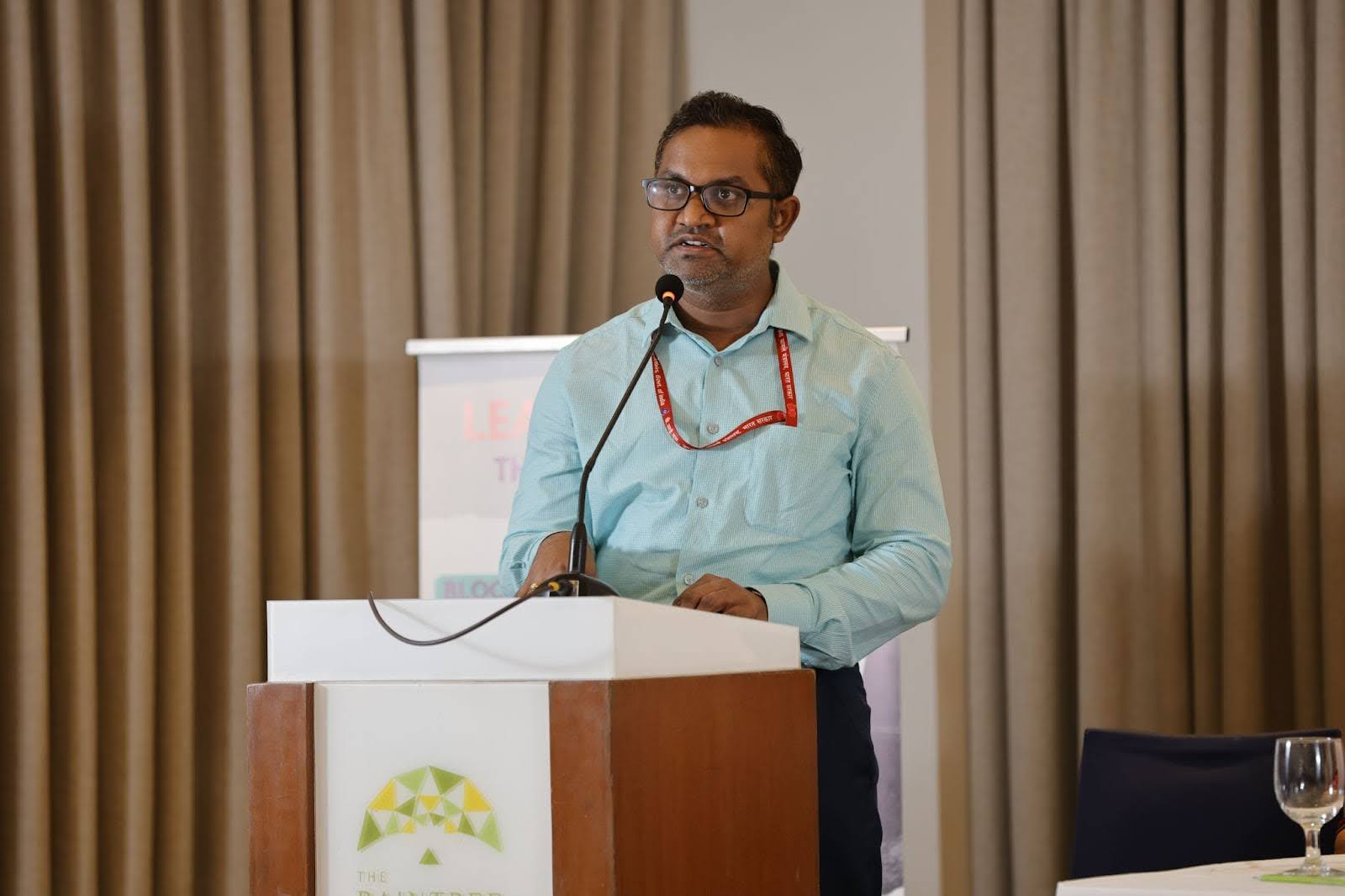
Mr. Arun, Joint Director, Bureau of Indian Standards stressed the importance of stakeholder collaboration in implementing BIS standards effectively. He acknowledged the challenges of testing complex materials like clad metals and highlighted ongoing R&D activities across 100+ universities. Arun noted that MSMEs have been granted relaxations to set up in-house testing facilities, making compliance more accessible. He reiterated the need for consumer awareness to drive the adoption of certified products.
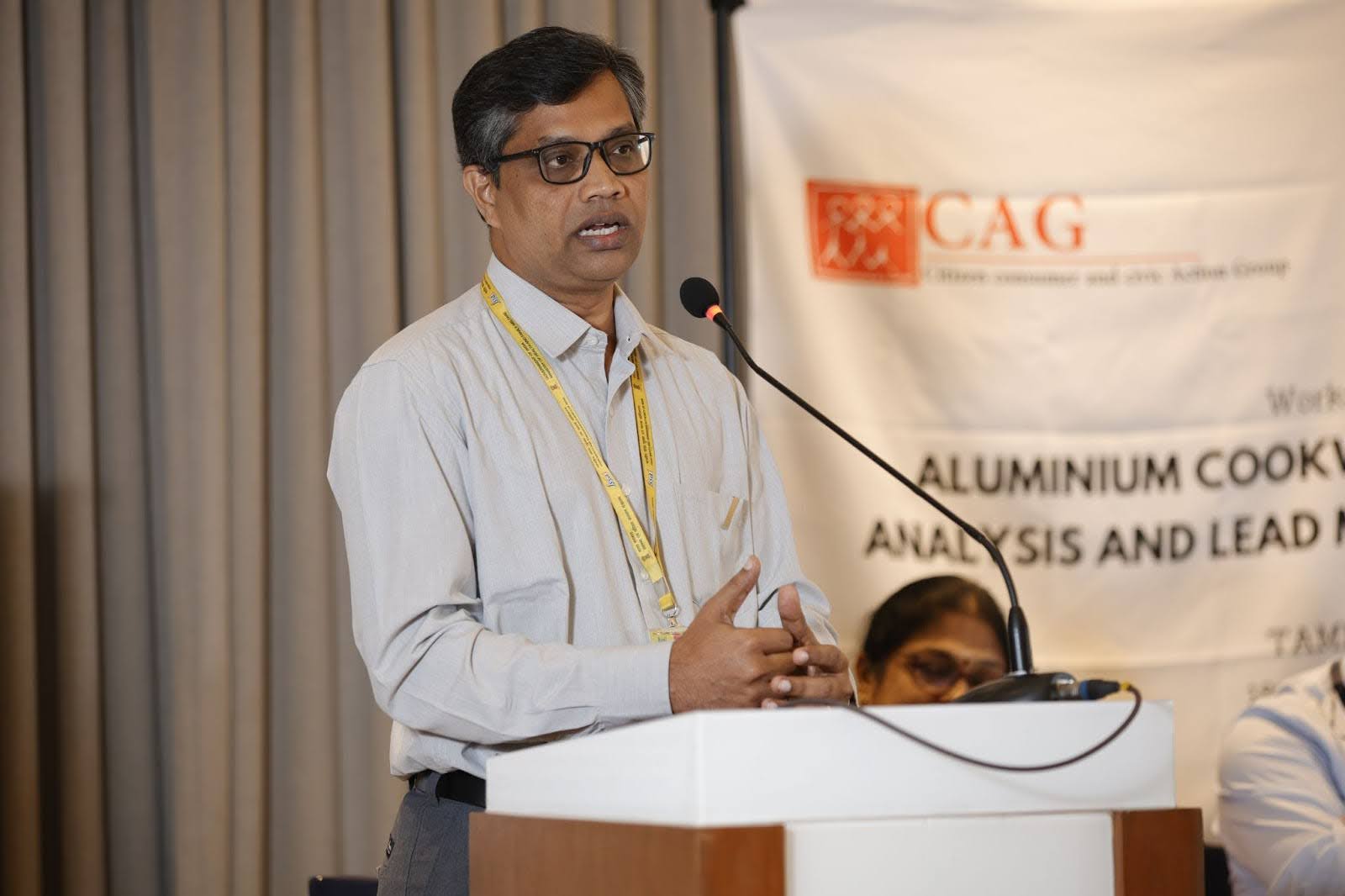
Mr. Arul Anand, Joint Director, Food Safety and Standards emphasized the role of food safety officers in detecting heavy metal contamination. He advocated for broader policy discussions to address the chronic toxicities associated with lead leaching. Anand also highlighted innovative initiatives like RUCO (repurposed cooking oil for biodiesel) and certifications for food safety in schools and religious institutions. These measures aim to ensure comprehensive public health protection.
Recommendations and Future Directions
The discussions across these events highlight several actionable recommendations:
- Strengthen Regulations: Extend BIS standards to cover a broader range of products and ensure strict enforcement.
- Enhance Testing Protocols: Invest in advanced, low-cost testing technologies like those developed at IIT Madras.
- Promote Consumer Awareness: Launch targeted campaigns to educate consumers about the risks of lead contamination and the importance of certified products.
- Support Manufacturers: Provide technical assistance and subsidies to help manufacturers comply with new standards.
- Foster Collaboration: Engage stakeholders from government, industry, academia, and consumer groups to drive holistic solutions.
- Expand Research: Conduct comprehensive studies to fill data gaps and understand the full scope of lead contamination.
Conclusion
The multifaceted issue of lead contamination in aluminium cookware requires a coordinated response involving regulators, manufacturers, and consumers. By implementing stringent standards, fostering awareness, and leveraging innovative technologies, India can mitigate the health risks posed by lead and build a safer, healthier future.