Citizen consumer and civic Action Group (CAG) in collaboration with Vellore Institute of Technology (VIT) Chennai, organised the seminar “Responsible Use of Artificial Intelligence in Consumer Products and Services” to commemorate World Consumer Rights Day 2026. The seminar took place at the Anna Institute of Management, on the 25th of March, 2026.
Experts from diverse fields such as manufacturing, E-commerce, law and the civil society graced the seminar with their presence, along with more than 50 consumer group representatives from the districts of Tamil Nadu, and 150 college students present in the audience. CAG has been committed to upholding consumer rights and safety for the last four decades. Vellore Institute of Technology’s technical collaboration added much value to the conversation.
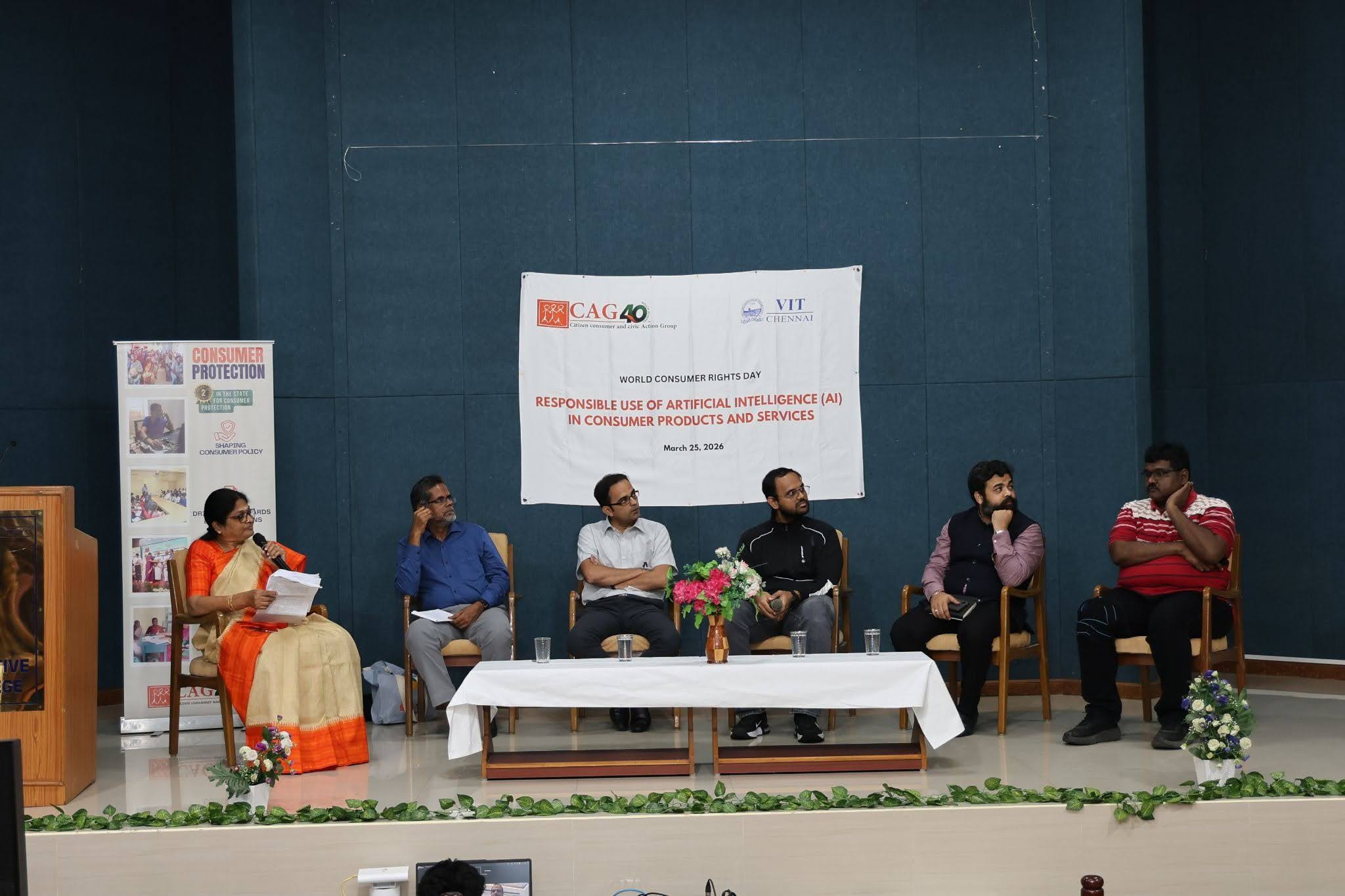
Welcome Note:
The welcome note was delivered by the Executive Director of CAG, Ms. Saroja. The idea for the multi-stakeholder dialogue was born from the realization that AI has seamlessly integrated itself into our everyday life, though most of us are not yet fully aware of its implications. While there are benefits such as efficiency and convenience, there are also concerns such as data privacy and accountability.
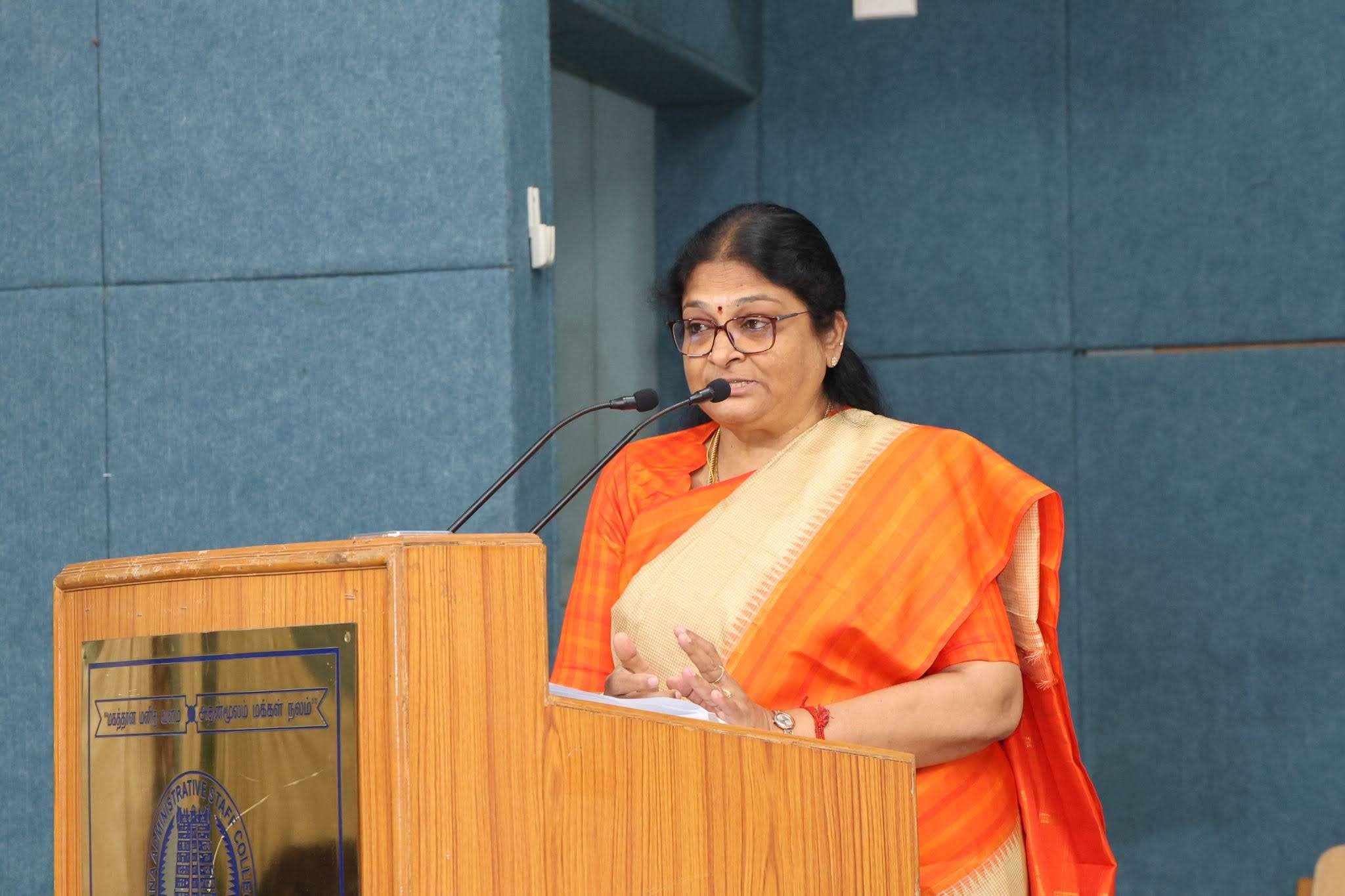
Ms. S. Saroja delivering the welcome address
In response, the team at CAG set out to better understand AI by bringing together experts from different fields to explore what it means for consumer rights and safety. As digital technologies evolve and policy attention grows, it’s important to pause, reflect on AI’s impact, and work towards stronger consumer-focused safeguards.
Inaugural address:
Delivered by Mr. Anupam Mishra - IAS, Joint Secretary, Ministry of Consumer Affairs, Government of India).
Mr. Mishra emphasised the timely nature of this theme stating that “AI is one of the most difficult challenges facing us today and to have a very diverse group of people together to discuss this is essential”. He spoke at length about dark patterns and how AI is used in unfair trade practices. E-commerce platforms have a lot of information about its consumers and they use this information to elicit a certain type of response from the consumer. Some dark patterns include:
- Placing a limited time period on an offer - nudging a consumer to make purchases immediately.
- Letting the consumer know that the same product is being viewed by 10 other people, creating a sense of urgency and scarcity.
- Providing incorrect information by stating that only a limited number of commodities are available, but the same number remains available even after purchase, proving the lack of transparency.
- The deceitful format where something has been added to your cart just before checking out - such as a membership plan, brochure or publicity material and they charge you for it
- Subscriptions where it is easy to subscribe and very difficult to unsubscribe
He emphasised the importance of two interventions:
- The National Consumer Helpline – where lakhs of complaints across the country are registered every month. The task at hand remains classifying which cases are fit for class action and how to proceed in collaboration with the Central Consumer Protection Authority (CCPA).
- The E-Jagriti platform launched by the National Consumer Disputes Redressal Commission in 2020 which can track complaints both online and offline
The floor when thrown open to the audience brought up interesting questions regarding delayed action and deadlines for the disposal of legal cases to which Mr. Anupam Mishra provided avenues for redressal including sharing the details of the grievance with him directly. While some states remain role models in consumer protection, he acknowledged that others face challenges due to a lack of manpower. In the case of the latter, civil societies and voluntary consumer organisations need to step in, he added.
Understanding AI
Dr. L Jegannathan – Professor at the School of Computer Science and Engineering at VIT got down to the brass tacks of AI, explaining it as only a tool that learns from data, recognises patterns and makes decisions. The larger the data set and the more examples that AI has to learn from, the more accurate the prediction, emphasizing that AI doesn’t necessarily understand anything. He spoke about several types of AI models classified based on their output, such as: Predictive AI - which forecasts , Generative AI - which creates something , Explainable AI - which understands patterns and personal history and Agentic AI - where decision making is automated.
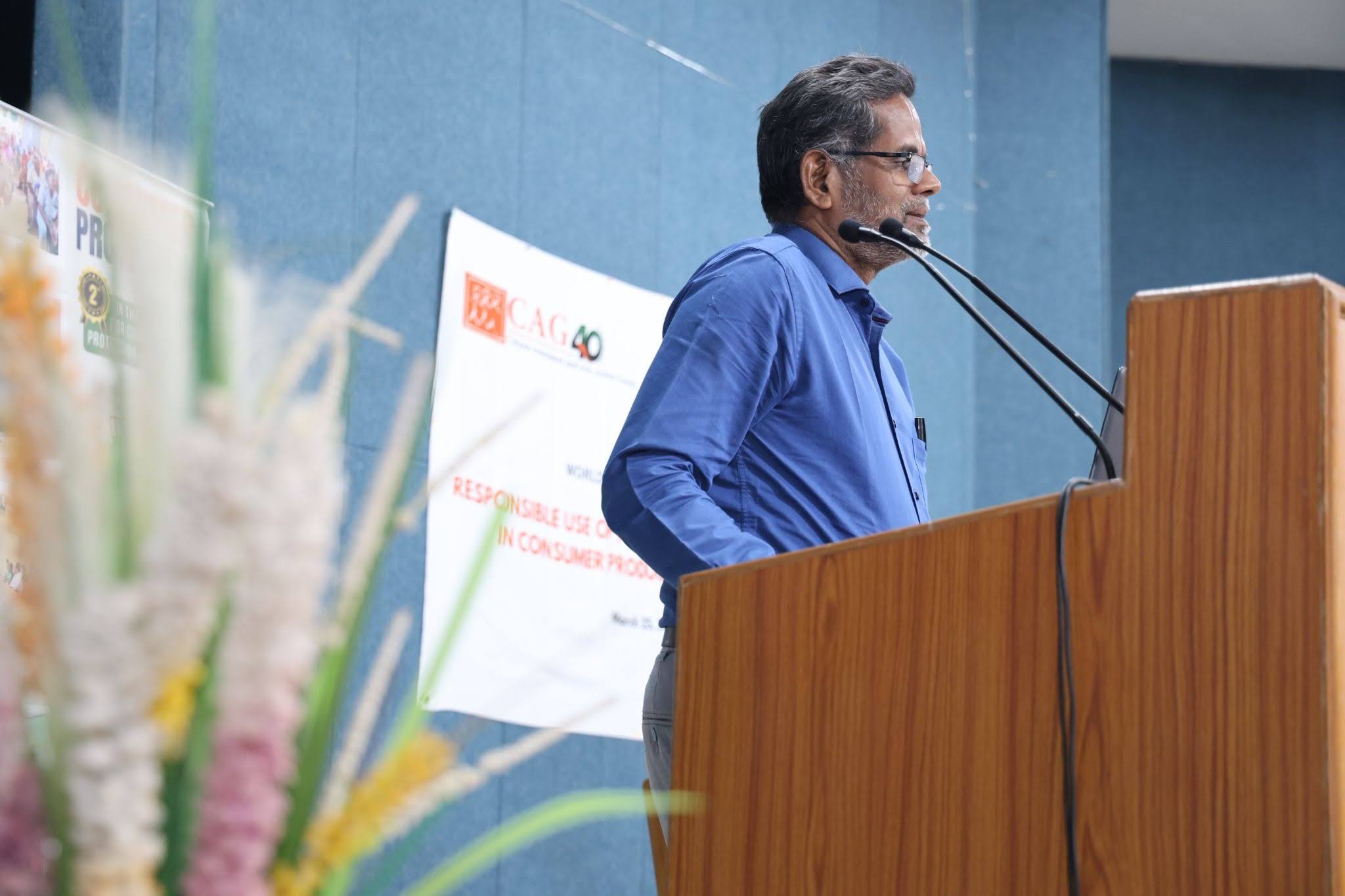
Dr. L Jegannathan – Professor at the School of Computer Science and Engineering at Vellore Institute of Technology, Chennai addressing the audience
AI like any other machine is likely to make errors. Some examples include habitual AI hallucinations where AI invents something that seems plausible but is not real, data drifts where AI gives incompatible solutions based on a completely different data set and multiple instances where AI has gone against human commands, all of which can be traced back to the quality of data the AI model is trained on.
Human prejudice is reflected in AI when flawed data brings up algorithmic bias. For example, a model that has only seen men being hired for a job will automatically reject female applicants. This brings up the need for Responsible AI.
“AI is like an atom bomb – you can create power or destroy lives,” he said.
How AI Influences Consumers
Dr. Geetha Raju, Senior Policy Analyst, Centre for Responsible AI (CeRAI), Indian Institute of Technology, Madras discussed how AI is being adopted in all critical sectors including education. This is evidenced by IIT Madras’ own MOU with the Government of India in the field of education.
She brought up several real-time and global examples where AI has been a cause for concern such as:
- The Weldborough Hotsprings Hoax - where a hot spring that does not exist was presented as an attractive tourist destination
- Failing AI facial recognition system at UK airports - because of which multiple people have not been allowed to travel
- Instances where AI based facial recognition systems trained purely on caucasian facial features have rejected passport applications of black women stating anti-black and racist reasons such as ‘closed eyes’ or ‘open mouths’.
- The Wall Street Journal’s AI vending machine experiment where they installed a vending machine operated by AI and found that the machine kept dispensing products leading to financial losses.
- Instances of chat history leaks and violent responses from AI initiating responses of self-harm
Frameworks for reporting incidents with AI do not exist yet, which proves the need for specific contextualisation of the Digital Personal Data Protection Act and the Consumer Protection Act keeping AI in mind. Pioneering examples such as the EU AI ACT can be relied on as templates, she said.
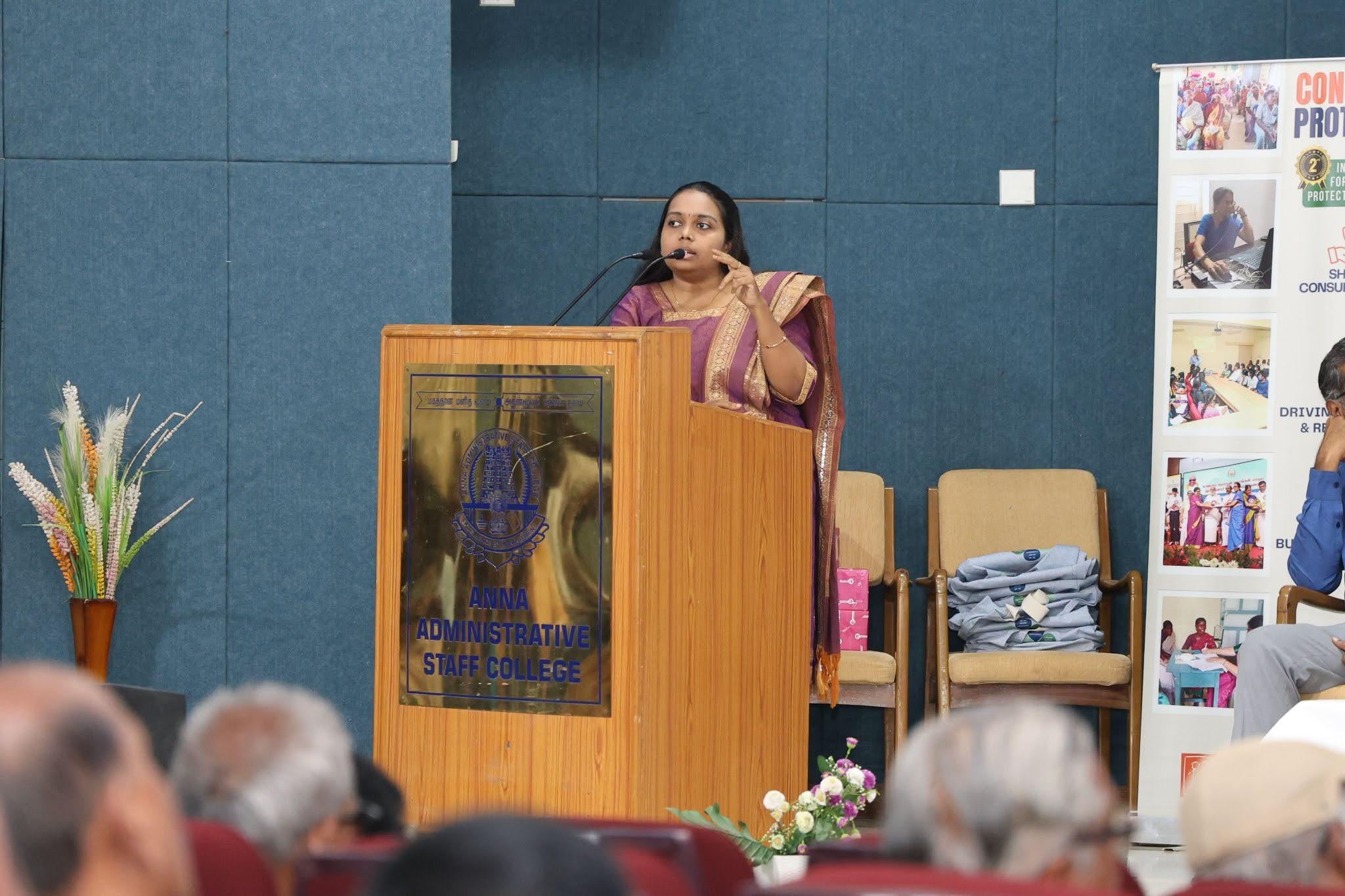
Dr. Geetha Raju, Senior Policy Analyst at the Centre for Responsible AI (CeRAI) at Indian Institute of Technology, Madras speaking about how AI influences consumers
The Future of AI and Consumer Protection - Panel Discussion
The panel discussion titled ‘Future of AI and Consumer Protection’ included speakers from diverse fields and was moderated by Ms. Saroja.
Mr. Vinod Arumugam (a.k.a Cyber Budha): Cyber Social Activist
When asked about the pressing risk of AI to consumers, Mr. Vinod Arumugam warned the audience of a future where AI might start advertising and persuading consumers. Unlike all other products in the market, there are no instruction manuals that are given to consumers along with internet technology such as Facebook or Chat GPT. This makes the larger public unsure of how much to use the technology and how to use it correctly. He reinstated the need for establishing policies for regulation.

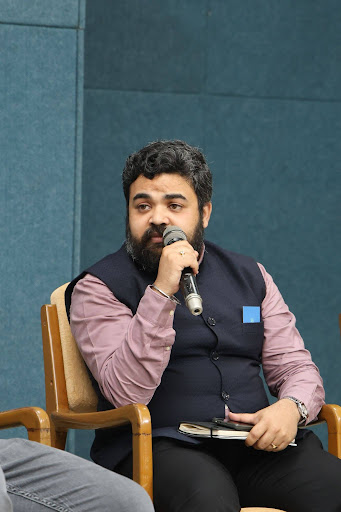
Cyber Social Activist Mr. Vinod Arumugam (left) and Mr. Indrajeet Sircar, Manager -of Public Policy at Amazon (right) speaking passionately about the future of AI especially in consumer protection
Mr. Indrajeet Sircar: Manager -Public Policy, Amazon
When asked how companies like Amazon would ensure that AI systems are fair and transparent for consumers, Mr. Indrajeet Sircar, the manager for public policy and Amazon online shopping, put it simply when he said “By Design.” The ecosystem of online trade collapses in the absence of trust and therefore the importance of informed and explicit consent and adherence to laws such as the Digital Personal Data Protection Act cannot be understated.
He added that Amazon is excited about AI and has been using the technology in their AI chat shopping assistant, and customer review summaries, helping shoppers make more informed decisions and helping sellers on the platform navigate compliance, especially where there is a need to process large amounts of information.
Mr. Dilipan Chakaravarthy: Division head – Adv, Manufacturing – Global – IT ,Apollo Tyres
When asked how AI can improve products and the customer experience, Mr. Dilipan emphasised AI’s impact in a post-Covid world where digitally connected work even in fields such as manufacturing is now possible. Earlier, data had to be passed through rigid human hierarchies where the possibilities of manipulation were higher, but AI has removed this barrier. Data is now centrally accessible, minimising bias and product defects.
Comparing horses to humans, he said “A horse is faster than a human, but a human with a tool is faster than a horse. AI is a tool”. Unlike the internet where all minor health enquiries inevitably lead to cancer, AI’s responses asking him to not panic, pause and drink water have also helped him personally, he claimed.
Mr. Abhinav Narula: Member of Advertising Standards Council of India’s Consumer Complaints Council and Vice President-Marketing, MakeMyTrip
When asked about AI generated ads, Mr. Abhinav Nerula spoke about the core principles of consumer protection in advertising, which are preventing misleading communication and mass harm irrespective of the technology used to produce the advertisement. Hence, honest representation is all that matters, not whether the advertisement is made using AI.
He spoke of trust as a commodity, emphasising it as the most important currency for a brand and how no marketeer looks at AI as a replacement for truth. Mr.Narula was of the opinion that Large Language Models do the job of directly speaking to consumers and establishing trust very well, adding that “AI can only be monitored using AI” speaking to the regulations that are already tightly in place.

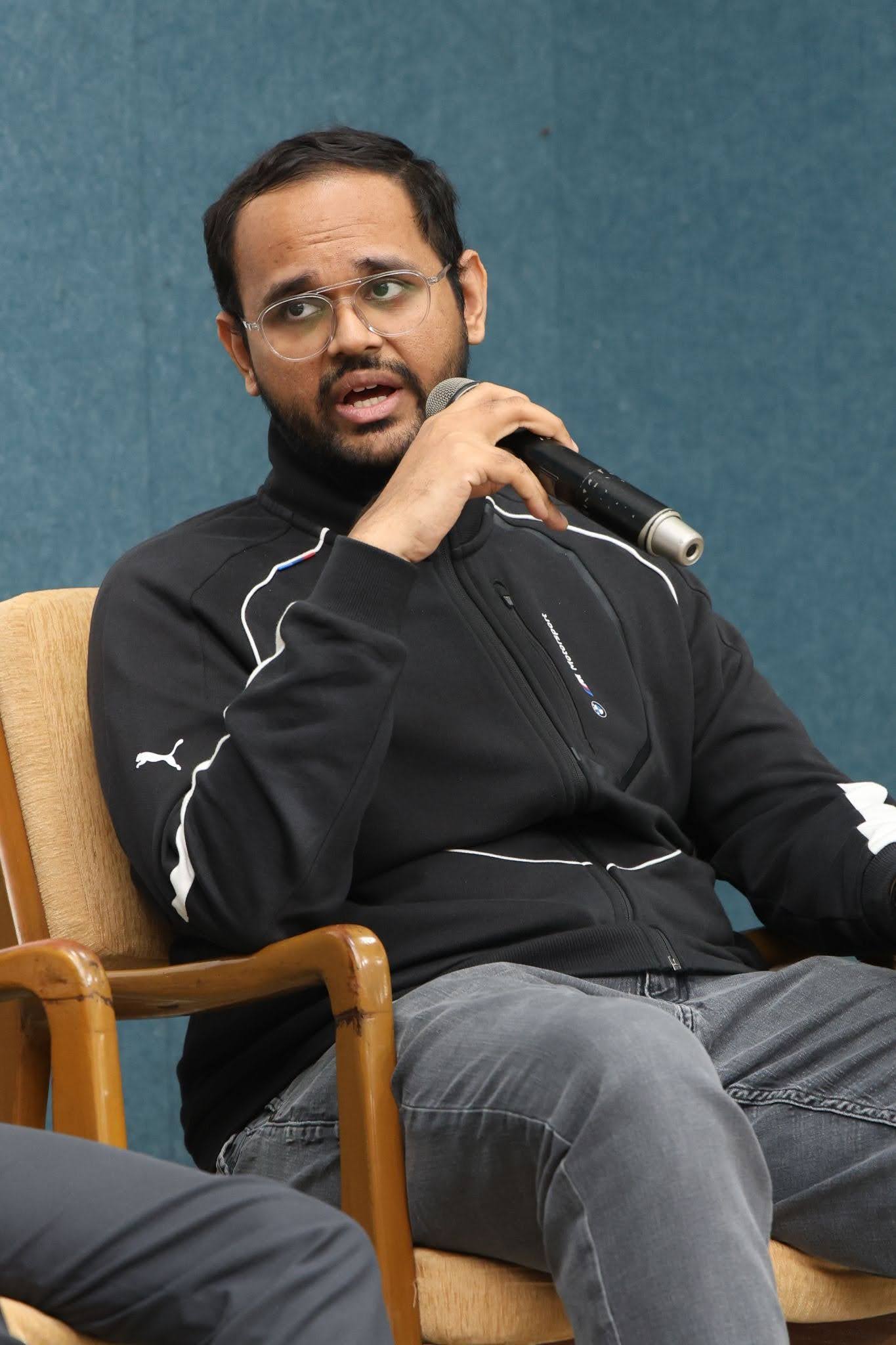
Mr. Dilipan Chakaravarthy, the Division head of Global Manufacturing and IT at Apollo Tyres (left) and Mr. Karthik Jayakumar, Partner at Peritum Partners Law Firm (right) sharing insights from their respective fields
Mr. Karthik Jayakumar: Partner, Peritum Partners - Law Firm
Sharing his legal perspective, Mr. Karthik Jayakumar explained that the law can never be ahead of technology and that it only evolves in response to it. He asked whether the law, intent, regulation and enforcement has kept up adequately and whether they are enough to address the larger changes.
There are regulatory practices in the EU and China although there is no binding framework. “If I am generating something, then the onus is placed on me”, he added.
Dr. L. Jeganathan: Professor (HAG), School of Computer Science and Engineering, VIT, Chennai
In the field of research AI can be used or misused, said Dr. L. Jeganathan. Conceptual clarity and learning is more important than marks, but this is not something that is widely believed in India as we think of education as knowledge transfer rather than skill development, he said, directly addressing the student community. Many people from India leave the country for education as there is something that is available in developed countries that is not available here.
AI carries the expertise of millions of people. In order to accommodate it, the education system must be overhauled without compromising the intellectual enhancement of the students.
“You can’t do the work without understanding it”, he said.
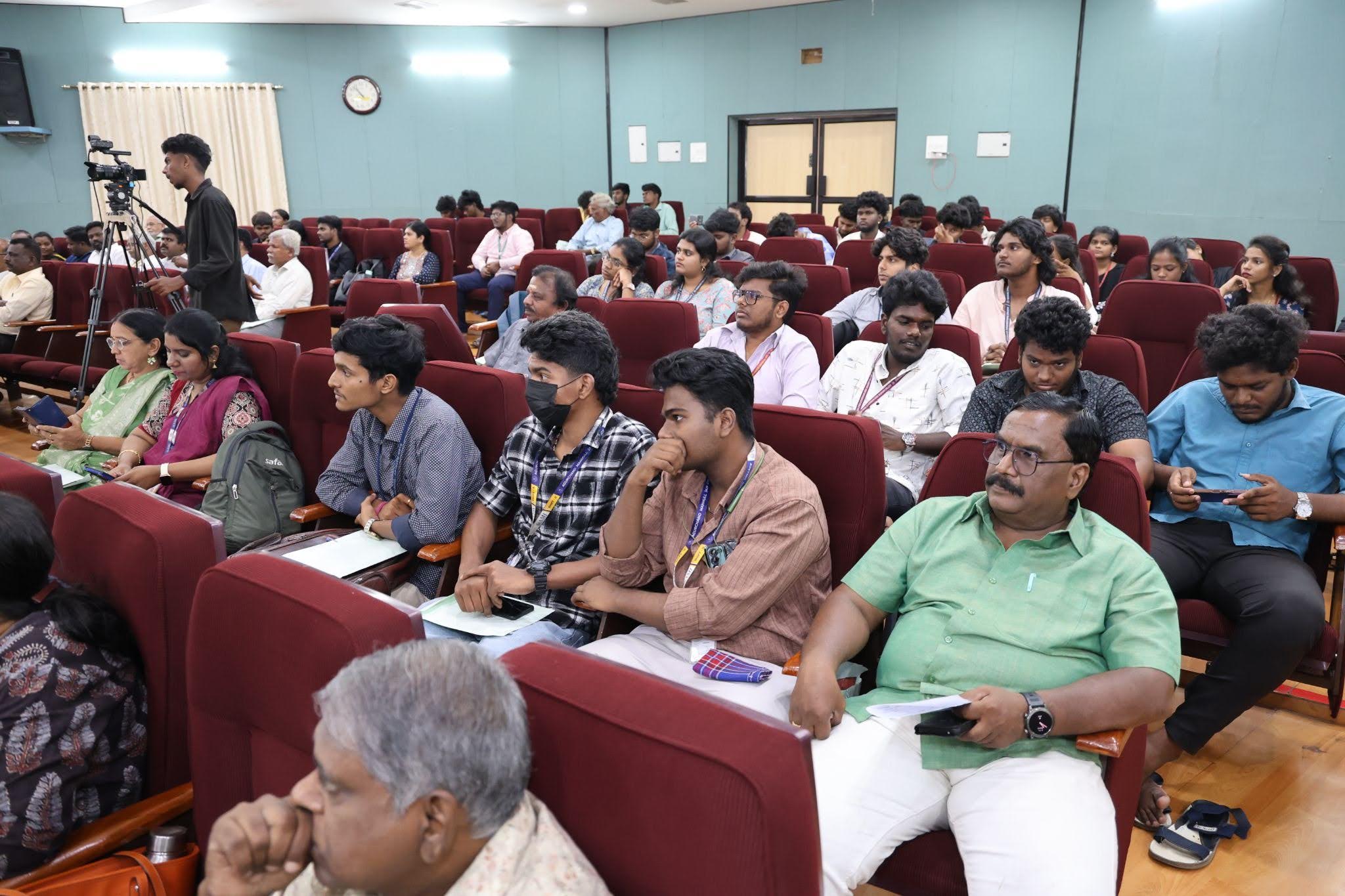
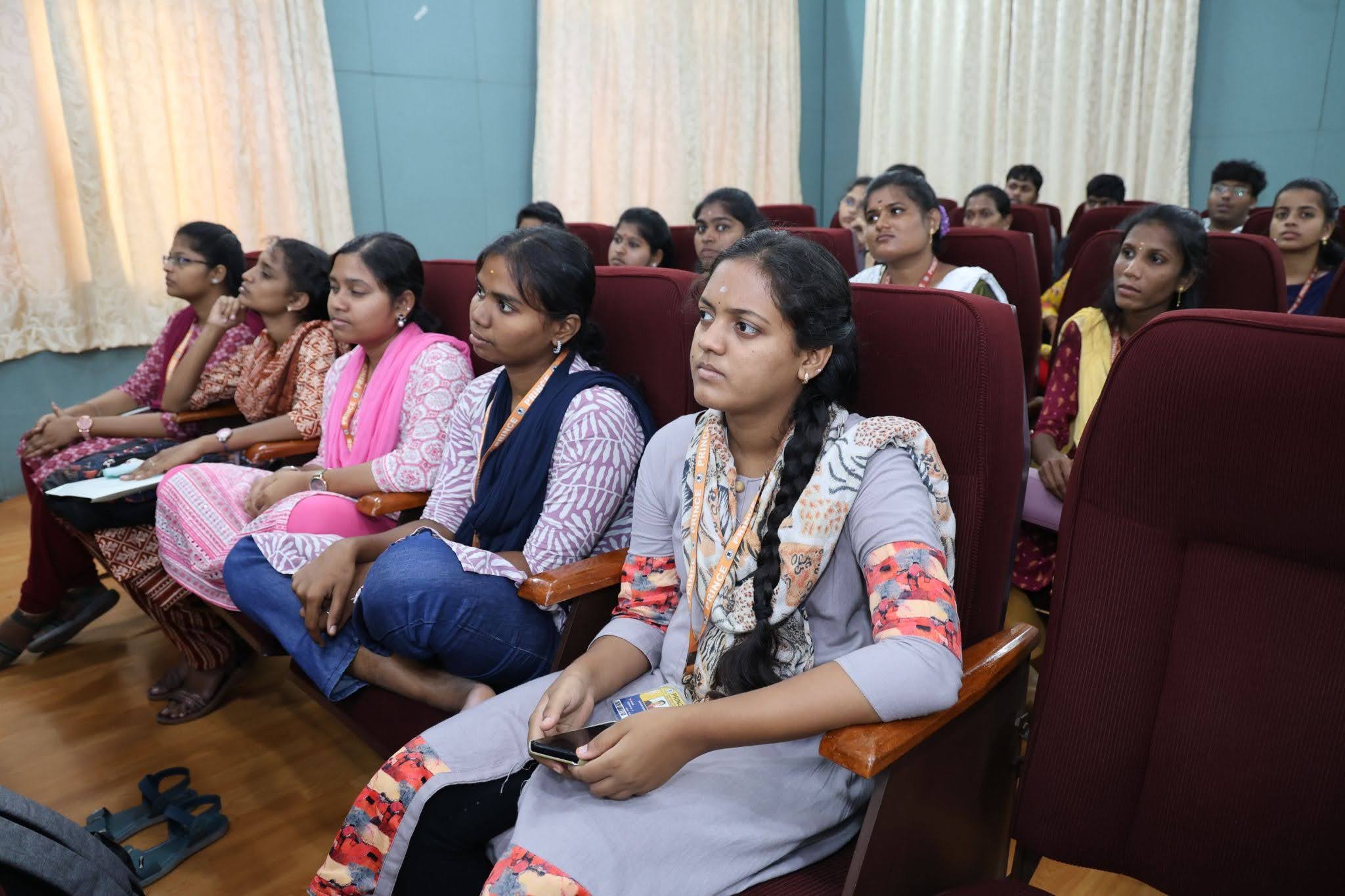
Above: Students and civil society representatives in the audience actively listening to the speakers
The concluding question posed to all panel members asked what the most important step needed to protect consumers in the age of AI is. The resounding answers from the panelists was awareness, self-regulation, responsibility and protecting trust. Capacity building programmes and public interest announcements as part of government initiatives were also presented as practical solutions. The floor when opened to the audience brought up questions regarding legal action and regulatory frameworks, fake reviews, cookies and third party preferences.
The vote of thanks delivered by Ms. Saroja concluded that a single approach is insufficient and we need legal and other regulatory frameworks to face AI. Mementos were presented to everyone who graced the stage with their presence.
The key question is not whether AI should be used, but how it should be used was a phrase repeated multiple times during the seminar across speakers alike, acting as the key message of the entire event.