Poornima Jayaraj, Senior Researcher – Environment and Climate Action

Beyond maps: Connecting knowledge, communities, and coastal governance

Coastlines have shaped human history as routes of exploration, trade, and community. Today, more than 40% of the world's population lives within 100 km of the coast, making coastal regions among the most densely populated and economically significant areas on Earth.
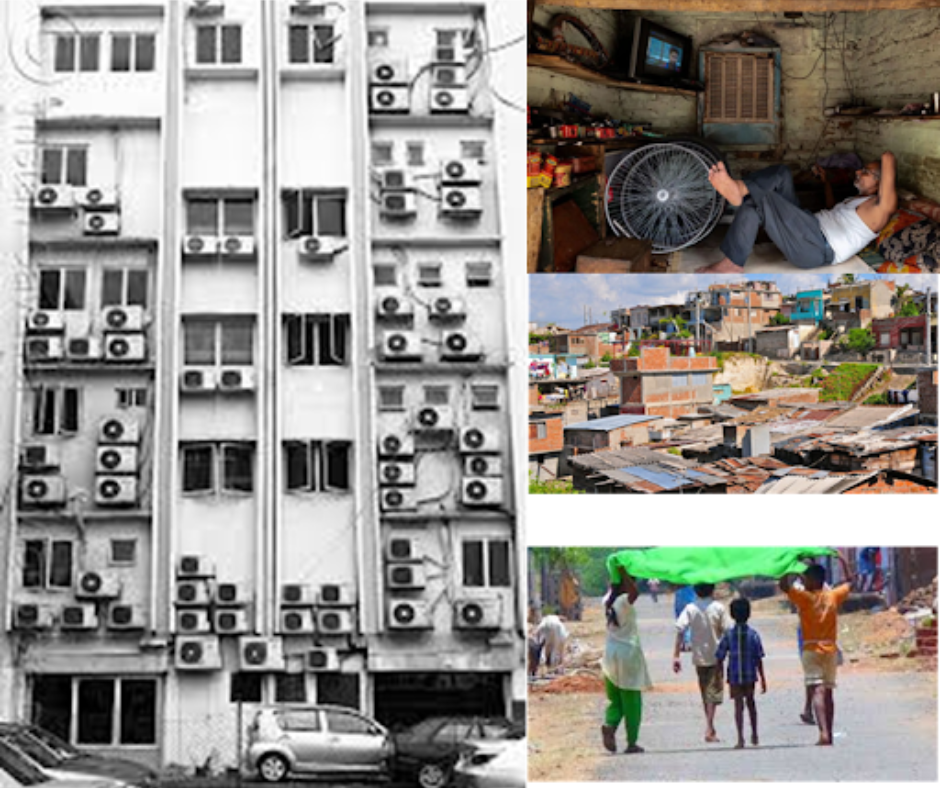
What we don’t measure: The data gap in heat inequality

Is Heat Just About Temperature? 

As cities confront worsening heat waves, heat risk assessments and planning responses rely heavily on temperature-based indicators, transforming the crisis into a meteorological statistic while overlooking the social realities that shape unequal heat exposure and survival. 

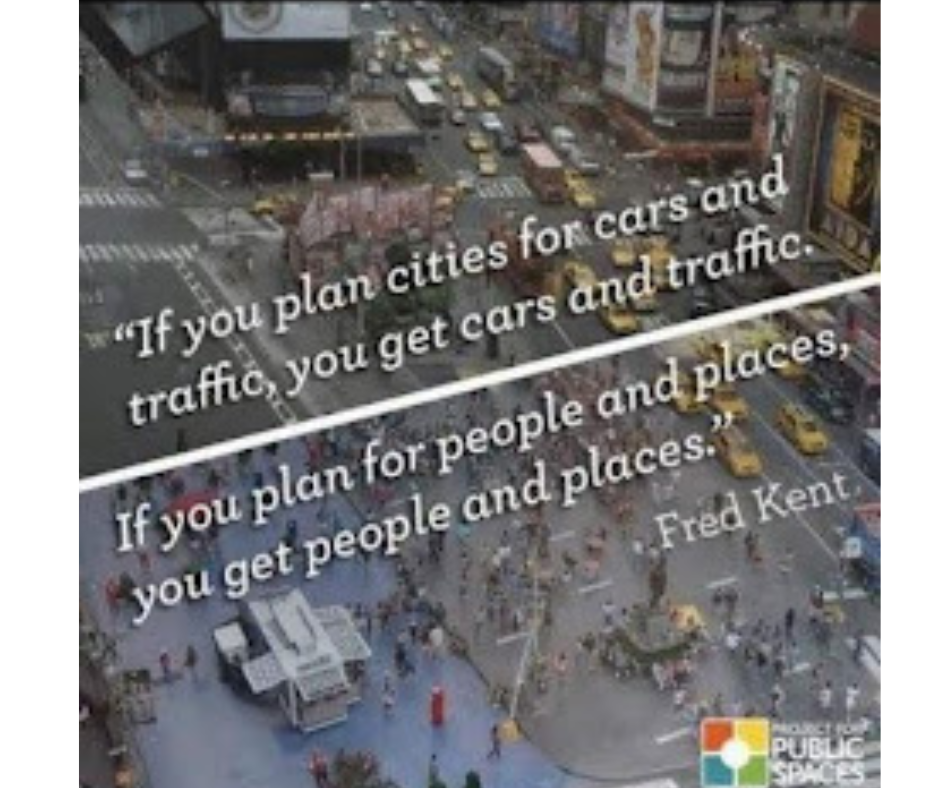
Making climate local and vocal through design narratives in the built environment

For much of human history, the natural environment was an ever-present force shaping daily life. People lived in close connection with its rhythms and patterns, adapting to seasonal cycles and the landscapes around them. Over time, industrialisation and urbanisation transformed these organic systems into human-made environments, from compact villages to sprawling cities. Today, for many, nature is no longer experienced in its wild form but as curated fragments within the built environment.