The handful of times I have had the privilege of witnessing a vehicle stop for me while I cross the road, I have initially been struck with relief and an overwhelming sense of gratitude. I find myself trying to thank the driver nonverbally via a thumbs-up or a smile after they pass, hoping my appreciation reaches them through their windshield. After crossing the road, I briefly catch myself smiling at the gesture before being pulled back to the ground, usually by the sound of a horn.
But I recently had the opportunity to travel outside the country, and as anticipated, I witnessed vehicles stopping for me and waiting for me to cross the road multiple times a day. No rushed running across the street, no half-raised apologetic hands trying to get a vehicle to stop, no spine-bent-forward waiting for vehicles to stop, often for what feels like an hour before trying to cross the road. When I walked, the world stopped for me.
This is something I anticipated, given how the anecdote of vehicles stopping for pedestrians abroad is passed around with a feeling of astonishment in India. What I did not expect was a shift in my psyche. Travel indeed widens your horizon, and I wish I did not have to leave the country just to gather this reference point.
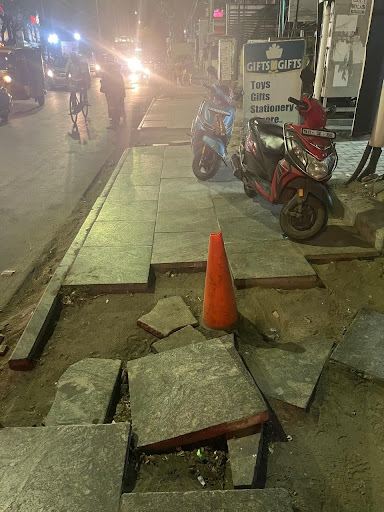
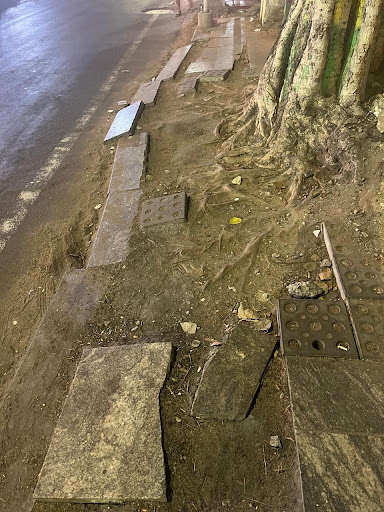
The dilapidated state of pedestrian infrastructure in Chennai
Over a period of two weeks my response had gone from gratitude to taking the drivers’ behaviour for granted. The way I would occupy space on the road radically changed when I felt entitled to it. When vehicles stop for pedestrians, I realised what it instills in you is a sense of dignity, that while walking, you matter. (The dimension of ensuring dignity when planning pedestrian mobility is well-known within urban planning circles).
Safe to say, although the trip was brief, coming back to Indian roads was not easy. The jarring shift in context made me cross roads once again with much hesitation. When you see motorists blaze past pedestrians, the disregard slowly but steadily registers itself in the air, sedimenting layer by layer until pedestrians don’t matter at all.
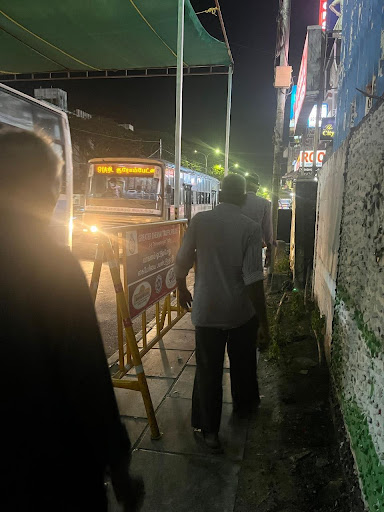
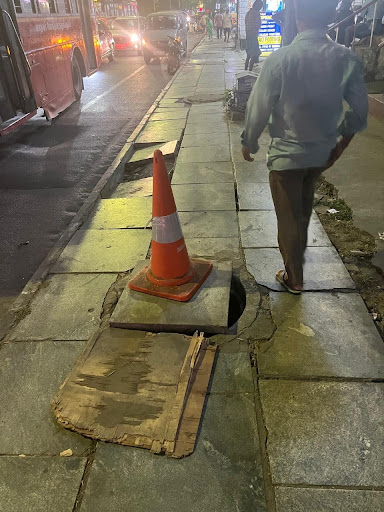
Pedestrian having to swerve obstacles to walk on the footpath
According to the latest data we have, 35,221 pedestrians died on Indian roads in 2023. (2023 report by the Ministry of Transportation and Highways).
- Until 8 years back, pedestrians made up less than 10% of all fatalities, but their share has doubled since then.
- More than half the increase in total road crash fatalities between 2022 and 2023 were pedestrians, evidence of the trend of pedestrian deaths only being on the rise.
- For a state that does well in many parameters of development, Tamil Nadu has the highest number of pedestrian fatalities in the country.
However, to have the conversation around pedestrians surrounding only crashes and fatalities does not do it justice. The experience of being a pedestrian in the city is central, fatality only being an unfortunate and inevitable consequence.
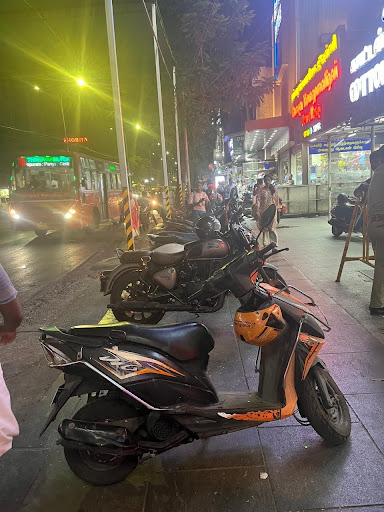
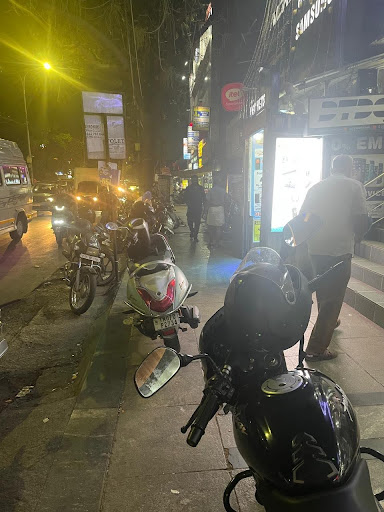
Footpaths flooded by parked vehicles
Women use public transport at a greater rate than men. 45.4% of women walk to work compared to 27.4% of men. The conversations around pedestrian infrastructure are therefore also gendered. Prioritising pedestrians in part means making space for women’s needs and their desire for mobility, particularly in a culture that continues to try and limit and control women’s access to mobility.
Pedestrians and cyclists contribute the least to air pollution but are the first to face the brunt of it. A case study in Delhi indicates how those walking, cycling, or using public transport are exposed to 10-40 percent higher dosages of particulate matter compared to those traveling in enclosed modes of transportation such as an air-conditioned car.
A large proportion of pedestrians are also called “captive pedestrians," the term attempting to classify those who walk because there is no other affordable option available primarily because of low income. Prioritising pedestrians is therefore a way of making the city one that is comfortable to navigate for all, specifically those who may not have the means to pay for it.
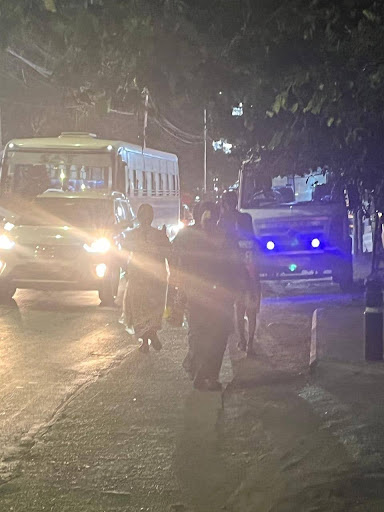
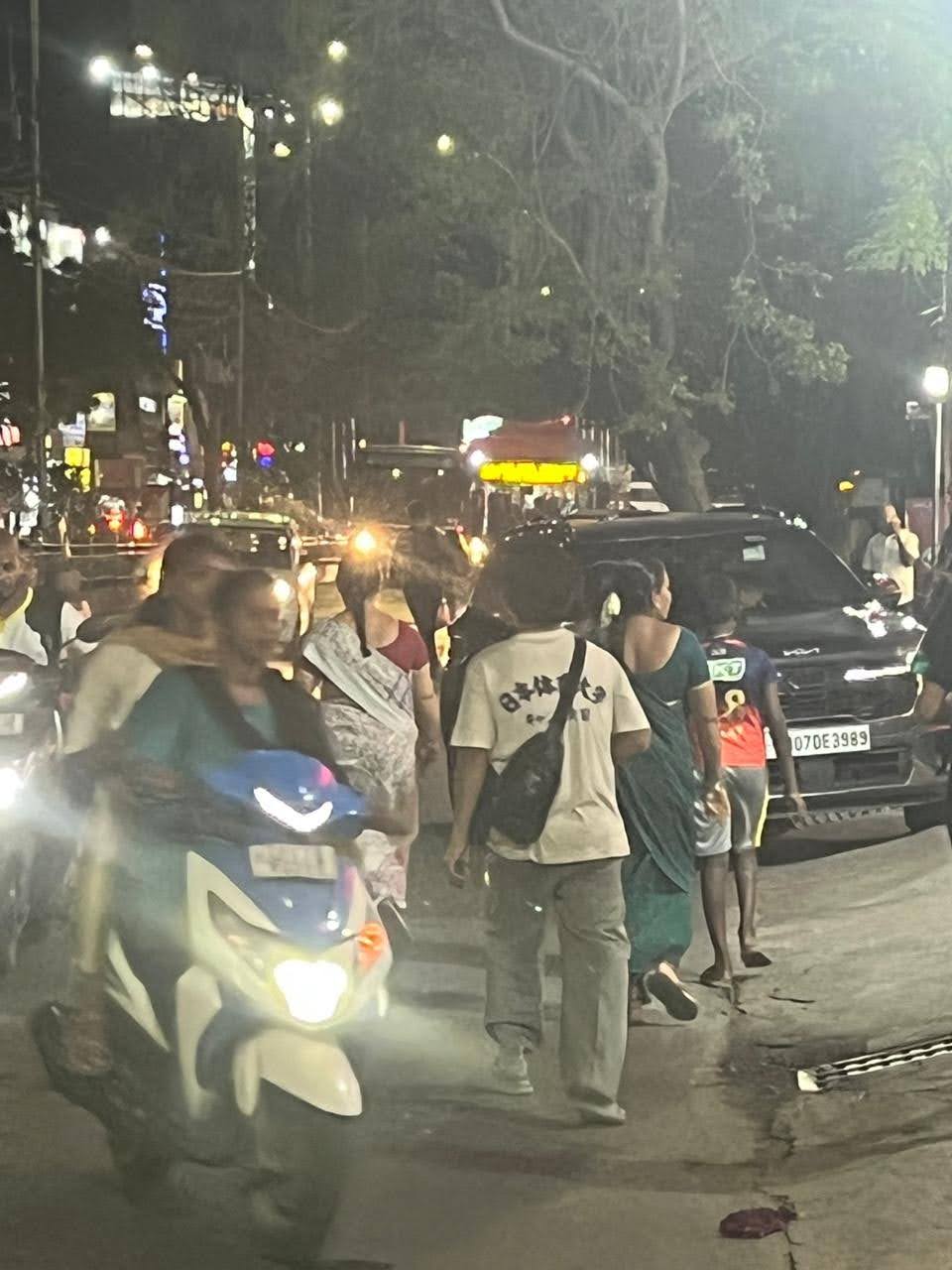
Pedestrians walking amidst moving vehicles
The de-prioritisation of the pedestrian is often also structuralised and reflected in road design. Infrastructure such as subways and foot-over bridges, which are constructed despite their limited use, safety concerns, limited accessibility, and the inconvenience of using them, reflect hierarchies in mobility. Subways and foot-over bridges are evident examples of pedestrians being an afterthought; their right to be integrated into road design was paid no heed. They are messages written in design that its motor vehicles - first, pedestrians - last.
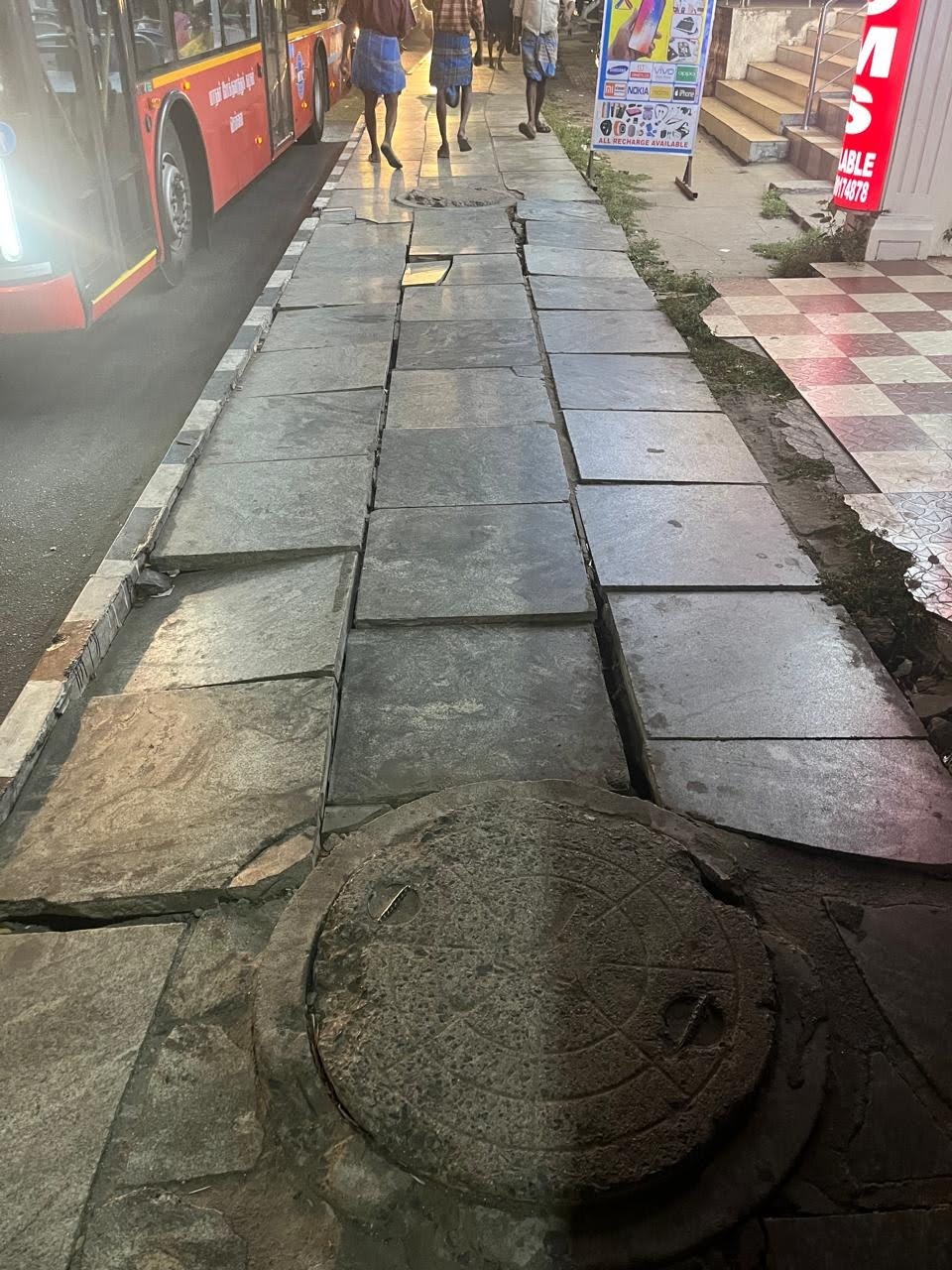
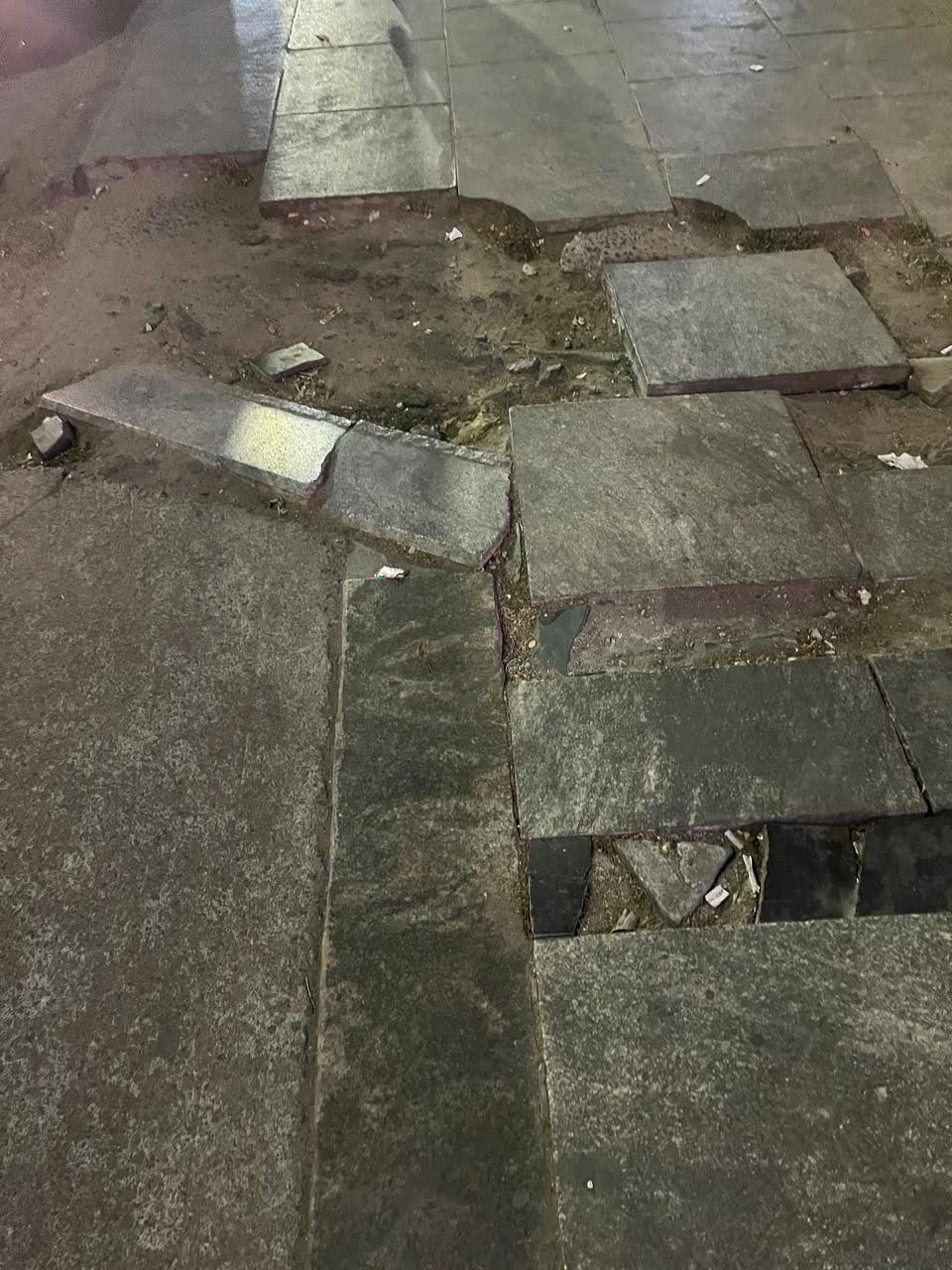
Broken or non-existent? A thin line when it comes to pedestrian infrastructure in the city
There is increasing consensus in shifting the responsibility of road crashes and fatalities from the drivers and pedestrians and onto city planners who are able to orchestrate and execute roads that compensate for human error while minimising road crashes and fatalities. And by them, there is without doubt much to be done. When the importance of a person who walks is given a nod through structural design, one hopefully wouldn’t have to feel overcome with gratitude when someone stops for them on the road. The gesture can just be an acknowledgement of my presence, while I take my time to cross my road.
---
Add new comment