Blogs

I remember one of my first attempts to “bring change home.” It was 2019, and I had just started my current job as a researcher in solid waste management issues. Full of enthusiasm, I rushed into my mother’s humid kitchen where she was peeling vegetables. I asked her to separate waste into three bins: red, blue, and green. She looked at me, confused, and asked, “What?” For many people in North Chennai back then, segregation was an unfamiliar idea.

Every morning, cities wake up with the burden of unsegregated waste and the dumpsites that are running out of space. Not only in India, but across the world, solid waste management continues to pose systemic challenges for urban governance, particularly in rapidly growing cities. Overproduction, poor collection systems, source segregation, burning waste, and overflowing dumpsites affect both the environment and public health.

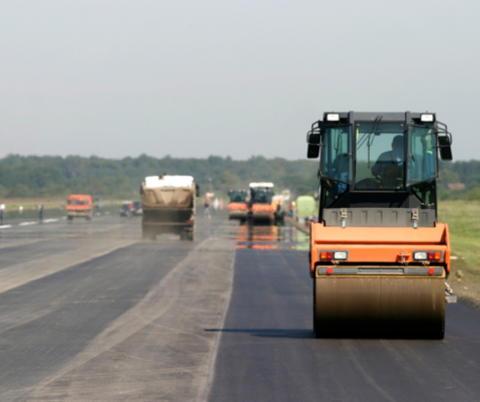
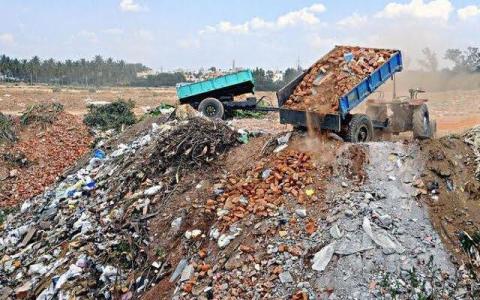
India is undergoing a major phase of construction-led development that is rapidly reshaping its urban and semi-urban landscapes. Metro rail networks, national highways, commercial office spaces, housing complexes, and smart city infrastructures are rising at a pace unmatched in the past. While this transformation reflects economic growth and modernisation, it has also resulted in an escalating environmental concern: construction and demolition (C&D) waste.

At first light, a wetland begins to stir. Mist rises from its still waters, frogs croak in the reeds, herons take flight, and insects hum in the undergrowth. Beneath this quiet surface lies a complex web of roots, microbes, nutrients, and water flows, a living system that regulates water, nurtures biodiversity, and stabilises the climate.
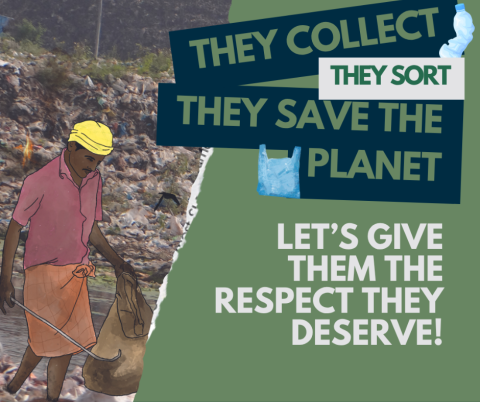
Every morning, as we open our doors, we see the legacy of our consumption. Plastic bags flutter across streets, garbage bins overflow, and the smell of decaying organic waste lingers in the air. These visible signs of waste are only part of the story. The more invisible scars of dump yards, open dumps, and harmful emissions remind us that waste is everywhere.


Used mobile phone back cases are scattered around the market | CAG 

Geneva was meant to be the turning point. For ten tense days, the Palais des Nations carried the weight of a world desperate for relief from plastic pollution. Delegates arrived with briefcases full of ambition, and they left on the morning of 15 August with no agreement. The headlines quickly called it a failure, “Talks collapse, no deal reached”. But silence in Geneva did not mean surrender.

As the sun rises over India’s 649,000 villages, life awakens in a familiar rhythm, milk cans clank on bicycles, children trek to school past grazing cattle, and the earthy scent of the land fills the air. Yet alongside this pastoral serenity lies a festering problem: waste.

Imagine a land where rivers shimmer with life, not plastic waste. A future where beaches are strewn with seashells, not discarded bottles. This vision isn’t unattainable; it's a glimpse of what India could achieve if it tackles its plastic pollution.