climate change

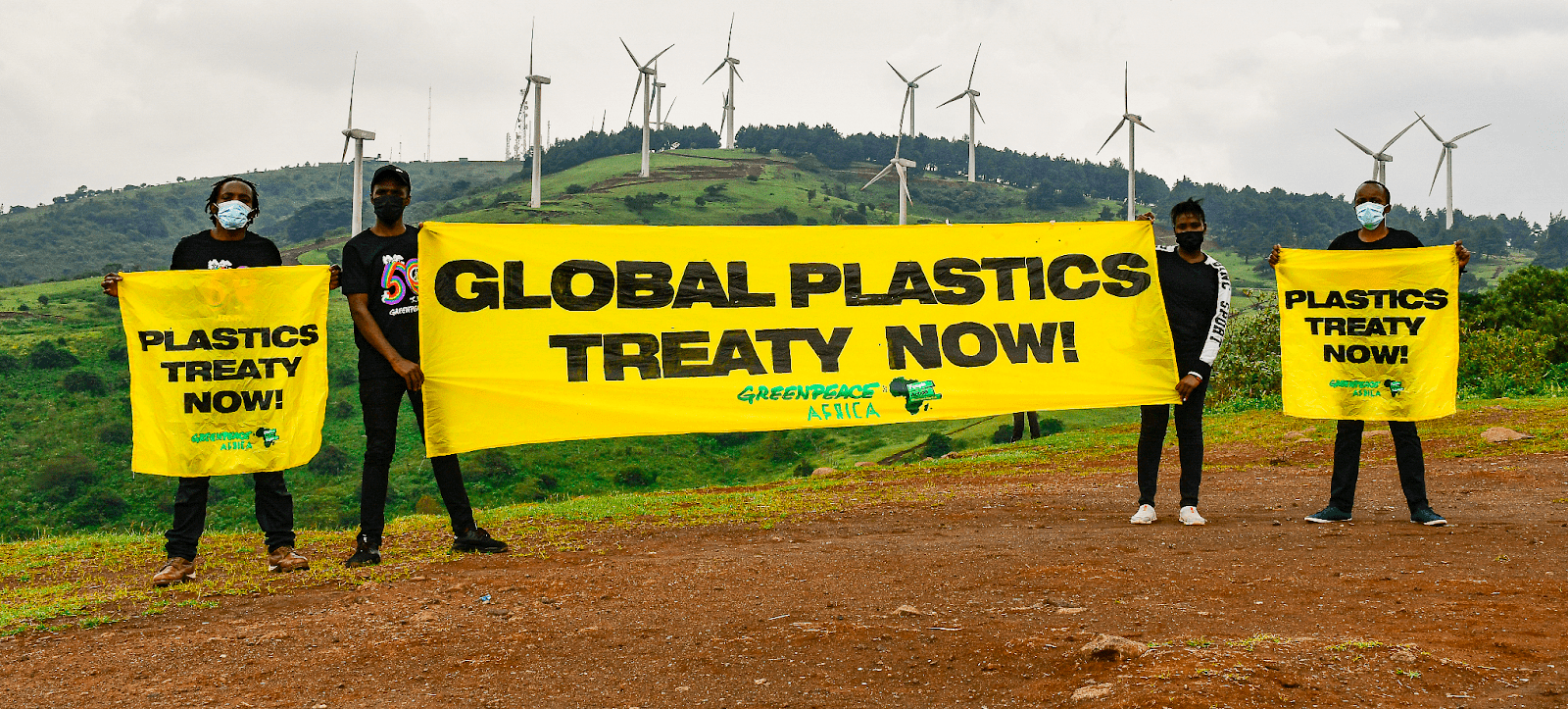
Global Plastics Treaty is the GPT you should look out for

The acronym ‘GPT’, popularised by ChatGPT, is a widely used term nowadays in the context of an ‘ask me anything’ invitation - an AI algorithm which can clear bar exams, write your resumes, create music, do your homework, etc. But there is another GPT which you ought to know, as terrestrial beings wading your daily lives through a sea of plastic (literally and metaphorically). GPT stands for Global Plastics Treaty, a historic endeavour which aims to create an international legally binding instrument on plastic pollution, including in the marine environment.
Intentionally flawed: planned obsolescence and corporate environmental crime (Part-2)

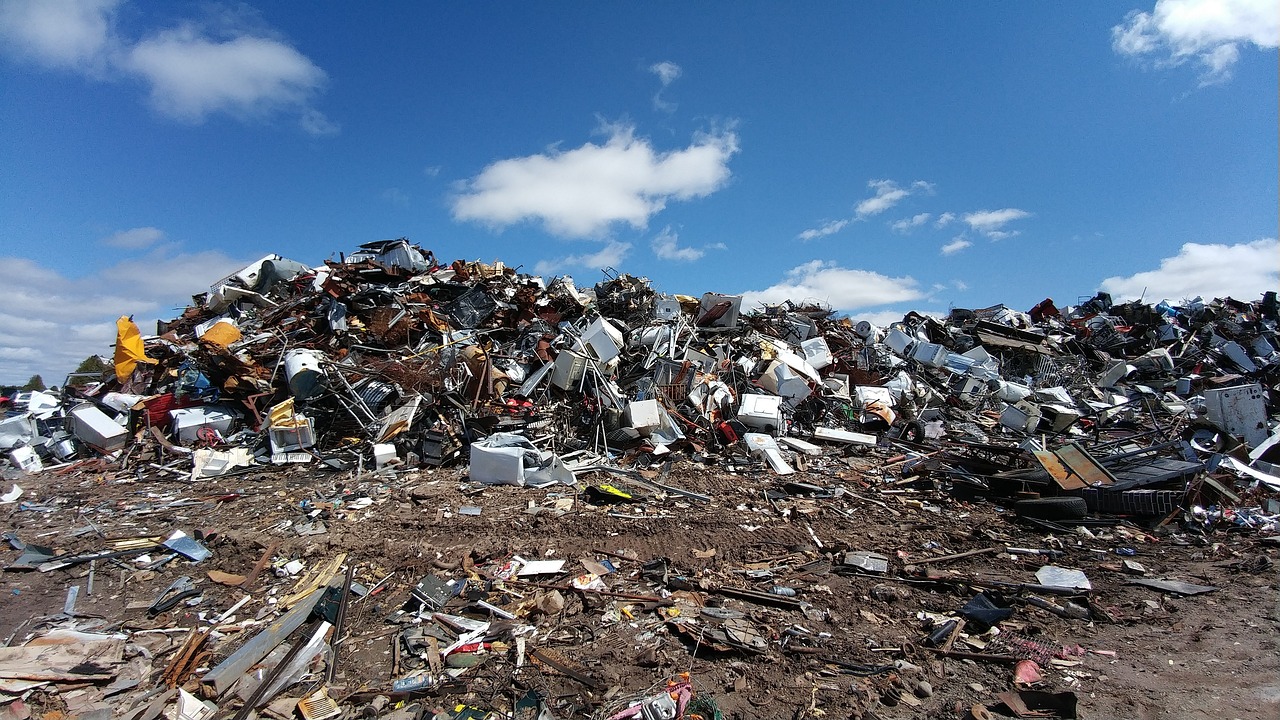
In the previous blog of this series, we discussed planned obsolescence as a business strategy where products are intentionally designed with a limited lifespan to encourage replacement and increase profits. This practice by companies is considered a corporate environmental crime and can take many forms, including pollution, illegal dumping of hazardous waste, and illegal mining.

The role of AI in tackling climate change - A double-edged sword

As humanity grapples with the urgent threat of climate change, there is a growing reliance on finding new and innovative solutions to tackle this existential crisis. Among the many available tools at our disposal, perhaps none holds as much promise as artificial intelligence (AI). With its remarkable ability to analyze vast amounts of data, identify patterns, and make predictions, AI is quickly emerging as a vital tool in the fight against climate change.

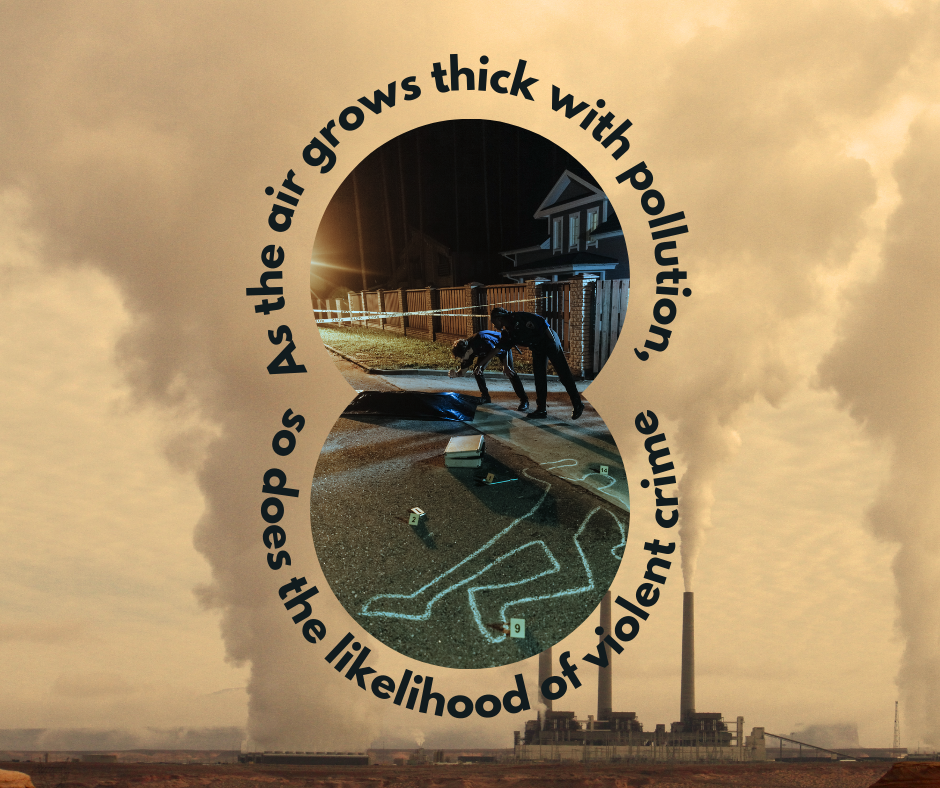
Air pollution and violent crime - understanding the link

Air pollution is a global problem affecting millions of people’s health and well-being. It is a complex issue that has far-reaching effects on the environment and human health. According to a report by the Lancet Commission on pollution and health, in 2019, air pollution was the leading environmental cause of disease and premature death worldwide, resulting in 6.7 million casualties.

Climate change textbook for middle grade students (FOCUS - Facts on Climate Change Unraveled for Students)

Author

You can now download and use the much anticipated textbook on climate change, FOCUS. The book is designed specifically for middle school children aged 12-14  Dive into the world of climate change and join us in our mission to empower young minds to understand and address climate change.  Together, we can build a sustainable future for our planet. For those who prefer a high-resolution print version, simply write to our helpdesk at helpdesk@cag.org.in.

Licence type
Resource Type

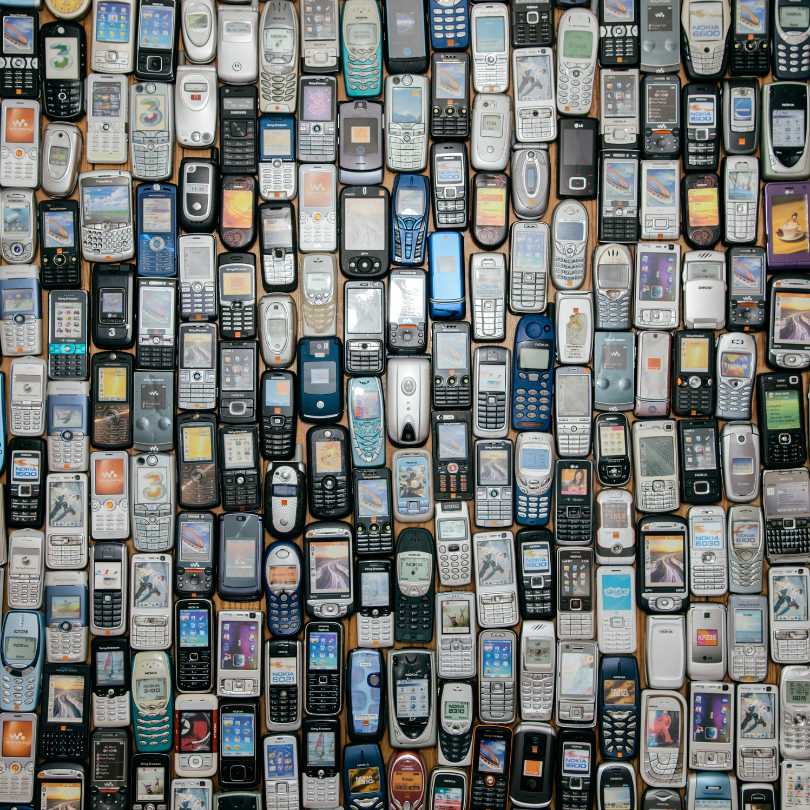
Intentionally flawed: planned obsolescence and corporate environmental crime (Part-1)

December 1924 was a significant time during which several prominent light bulb manufacturers, including General Electric, Osram, Philips, and Compagnie des Lampes, engaged in a conspiracy to artificially shorten the lifespan of their products. The usual standard for incandescent light bulbs burning hours was reduced from 2,500 in 1924 to 1,000 by 1940.

Environmental protection needs more than just the pure sciences and scientists

 The Indian Environmental Protection Act, 1986, states that the term ‘environment’ includes water, air and land and the inter-relationship which exists among and between water, air and land, and human beings, other living creatures, plants, micro-organisms and property. The word ‘inter-relationship’ plays a key role in our understanding of the environment. Most often, ‘environment', as we understand it,  commonly or colloquially refers to our surroundings, natural resources and living organisms other than human beings.