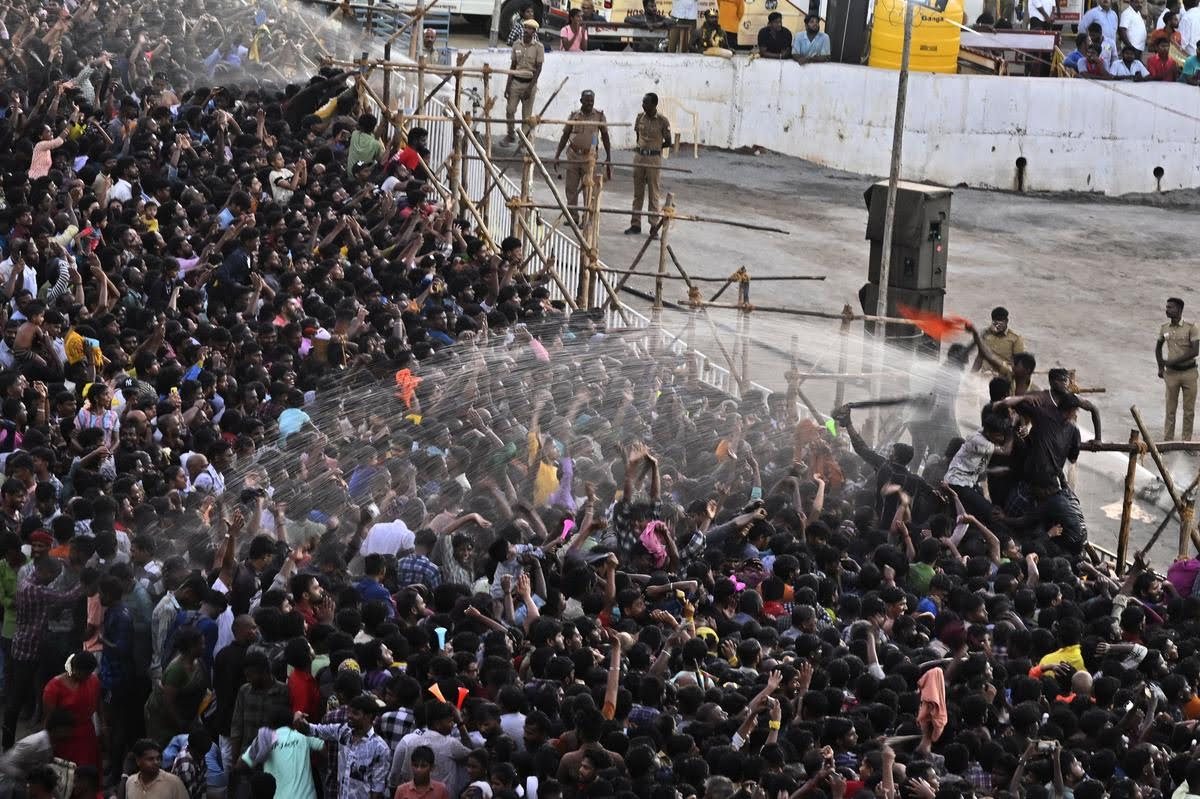
 Image 1: Indian Festival Celebrations
Image courtesy thehindu
Namma Chennai – Ulla Vaanga! (Welcome):
Navigating the crowded lanes of Sowcarpet during festival season is a skill every Chennaite learns. Its many shops selling everything from electronics to fast fashion are the ultimate destination for festive shopping, and with every festive season comes the relentless assault of plastic. The endorphin-filled celebratory mood does not seem to mind the ankle-deep plastic waste one has to wade through in search of that perfect dress or gift. I visited the streets of Sowcarpet one afternoon as part of my work. The sun beat down; the stench from plastic mixed with organic waste rose from the hot street surfaces. And that’s when I realised a deeper truth: in Chennai, celebration often walks hand in hand with waste.
Every day, as I ride through the city, from congested junctions to narrow alleys, I witness a city in constant celebration. It’s rare to pass a day without encountering a wedding ceremony, a funeral procession, or religious music echoing from loudspeakers. Almost every day of the year pulses with rituals and gatherings that transform streets into stages of joy - from celebrating a baby’s ear piercing, to loudly and colourfully marking a sports team’s success. Yet beneath this vibrant surface lies a quieter crisis.
Chennai’s population has surged past 10 million, drawing people from across India for work and education. While some move on, many stay, adapting, surviving, and often voicing frustration over the city’s growing challenges. One of the most pressing issues is waste. The Greater Chennai Corporation currently removes 5,900 tonnes of garbage daily, and projections suggest this could triple by 2051.
Our celebrations, once rooted in tradition and community care, now often leave behind mountains of plastic. The rise of consumerism has reshaped rituals into commercial spectacles, where festivity and joy are packaged, distributed, and discarded mindlessly. Ice cream pouches, plastic garlands, disposable cups, plates, synthetic decorations, and single-use offerings have become the norm, eroding the ecological wisdom that once guided communal gatherings.
Pushpa isn’t a flower—it’s plastic:
Traditional local celebrations were once models of sustainability. Banana leaves served as plates, clay lamps lit the streets, and decorations were made from palm fronds, turmeric, and rice flour. These practices honoured both community and the earth
Today, however, flex banners replace cloth hangings, plastic garlands substitute fresh flowers, and disposable cups and plates pile up on street corners. Single-use plastics are ubiquitous, thanks to waste management policies that seem to sidestep the real issue at hand - the mountains of plastic we produce that are transforming our streets, our cities, our lives.
Plastic is a tough competitor - once it takes over, it’s hard for anything else to keep up. It’s like on-demand television versus cable TV, e-commerce versus the corner shop, smartphones versus landlines: easy, instant, and everywhere. It eats everything in its path and still looks for more. Now it’s plastic that blossoms across shops, homes, and finally, our landfills. This isn’t unique to Chennai. Across India, festivals have seen similar transformations.
Festivals bring peace to our homes — but what about the environment?
The morning after any major festival tells the true story. Streets once lit with joy are now littered with remnants of celebration, torn boxes, burnt-out shells, and plastic wrappers scattered like confetti of neglect. While families rest in the afterglow of festivity, the environment bears the brunt: AQI scores plummet, and waste surges beyond control. Conservancy workers toil through night and day, sweeping away the debris of delight.
Large-scale gatherings and feasts, regardless of occasion, often leave behind overflowing bins of uneaten food and discarded packaging. The joy of community celebration is shadowed by the environmental burden it creates.
Reality check of the policies
The Tamil Nadu government passed a Government Order (GO) in 2018 banning fourteen types of single-use plastics, irrespective of their thickness, such as plastic carry bags, plastic-coated cups, plastic glasses, and water packets, with the ban coming into effect at the beginning of 2019. However, current realities underline the fact that having a policy alone is not enough. Without a robust monitoring and enforcement mechanism, even well-intentioned regulations can fail to deliver results. Five years after the ban, Chennai’s markets continue to overflow with prohibited plastics, single-use carry bags, disposable cutlery, and many more ‘banned’ items. This exposes a troubling gap between policy, implementation and outreach, a gap that becomes even more apparent over the festive seasons.
Microplastics - The Hidden Cost of Celebration
Crackers, and decorative powders often contain invisible microplastics that remain unaddressed in both general waste management and the Plastic Waste Management Rules. A recent study identified high levels of polymer dust, primarily microplastics, in the air across several Indian cities. Notably, it found that residents of Chennai are particularly exposed to microplastics through inhalation of contaminated air, directly affecting respiratory health. These findings compel us to reconsider our entire approach to waste management, urging a more comprehensive framework that addresses all pathways of pollution.
Golden Sparrow, come again:
Celebrations were once celebrations of joy, peace, and harmony with nature. Today, they risk becoming threats to the very environment that sustains us. But this trajectory is not irreversible.
We must reclaim the ecological wisdom embedded in our traditions. Communities, policymakers, vendors, and devotees alike must come together to reimagine celebration, not as a spectacle of consumption, but as a ritual of renewal. Monitoring must be strengthened, bans must be enforced, and awareness must be cultivated at every level.
Let our festivals shine like lamps, not crackers. Let our celebrations be shared with communities that nourish, not waste. Let them offer peace to the environment, not choke pollution.
Add new comment