Blogs

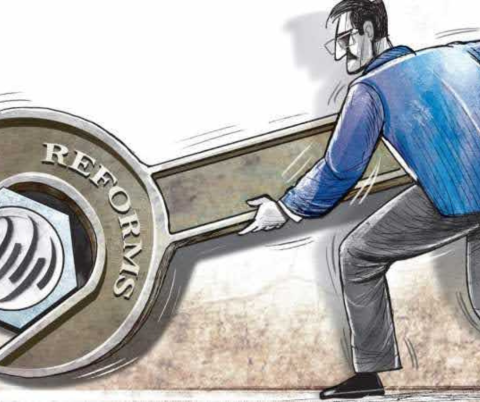
Cleaner cities are not created simply because more money is allocated. They emerge when investments are supported by strong institutions, accountable governance, informed citizens, and systems that reward performance rather than activity.

A freshly cleaned beach can give us a powerful sense of satisfaction. Plastic bottles are gone. Food wrappers have been collected. Straws, cups, bags, and other visible litter have disappeared. The sand looks clean again, and the beach appears ready for another day of visitors. But what if this is only the surface of the problem?

நான் வார இறுதிகளில் வனத்திற்குள் சென்று தன்னார்வலர்கள், வன அதிகாரிகள் மற்றும் நண்பர்களுடன் சேர்ந்து பணியாற்றுவது என் வாழ்க்கையின் ஒரு முக்கியமான பகுதி. சுற்றுச்சூழல் பொறியியல் (M.E Environmental Engineering) படித்திருந்தாலும், சில உண்மைகள் புத்தகங்களில் முழுமையாகப் புரியாது. களத்தில் வேலை செய்யும் போது தான் அவை மனதில் ஆழமாக பதிகிறது.

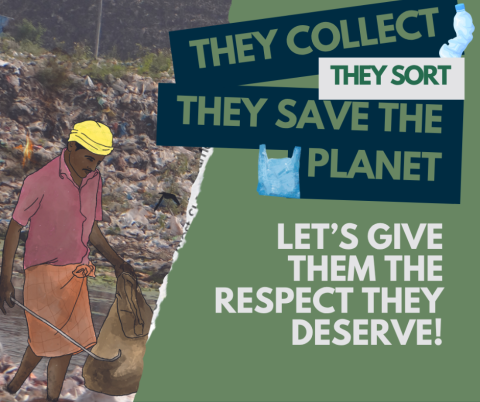
Waste pickers have been at the heart of India's waste systems for many years, but their role has been barely acknowledged by any system. They have been going around cities and towns collecting, sorting, and diverting recyclable materials from the waste stream, usually in unsafe conditions, and without any formal recognition.

When the National Green Tribunal (NGT) recently recommended that India's waste crisis be dealt with in "mission mode", it did not merely put forward a new slogan for the public to latch on to. Rather, it was, in a sense, issuing a warning. India produces over 1.6 lakh tonnes of municipal solid waste every day, more than 60 million tonnes yearly, according to the Central Pollution Control Board (CPCB).

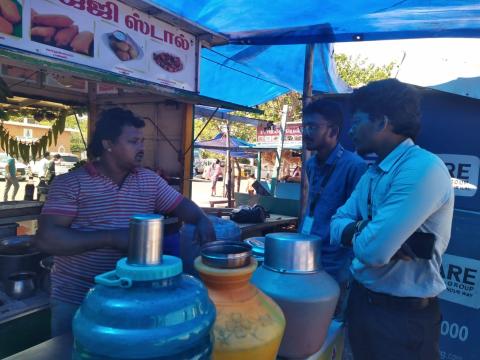
Walk through almost any street, beach, or market in Chennai and one thing is immediately visible: informal vendors. Tea carts at junctions, snack stalls near beaches, breakfast pushcarts in residential lanes, flower vendors outside temples, fish sellers near coastal stretches; they are woven into the fabric of daily city life, contributing to local economies and serving thousands of people every day.

Namma Chennai – Ulla Vaanga! (Welcome):

I remember one of my first attempts to “bring change home.” It was 2019, and I had just started my current job as a researcher in solid waste management issues. Full of enthusiasm, I rushed into my mother’s humid kitchen where she was peeling vegetables. I asked her to separate waste into three bins: red, blue, and green. She looked at me, confused, and asked, “What?” For many people in North Chennai back then, segregation was an unfamiliar idea.
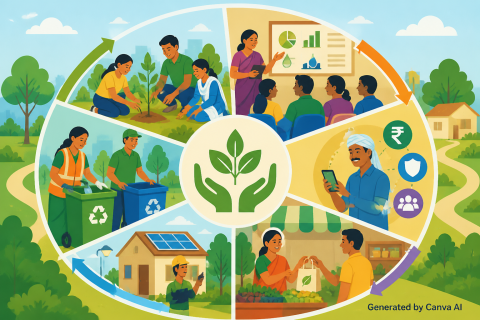

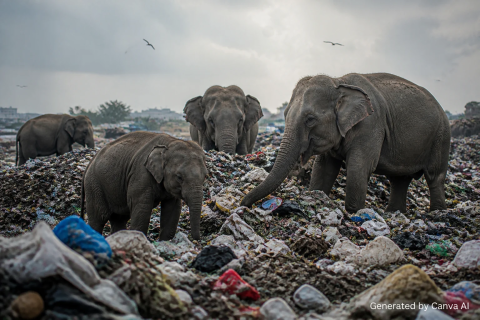
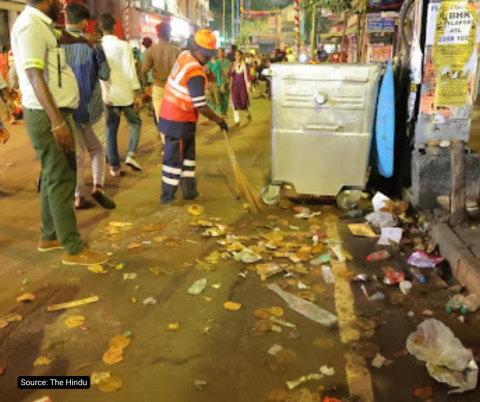
Every morning, cities wake up with the burden of unsegregated waste and the dumpsites that are running out of space. Not only in India, but across the world, solid waste management continues to pose systemic challenges for urban governance, particularly in rapidly growing cities. Overproduction, poor collection systems, source segregation, burning waste, and overflowing dumpsites affect both the environment and public health.

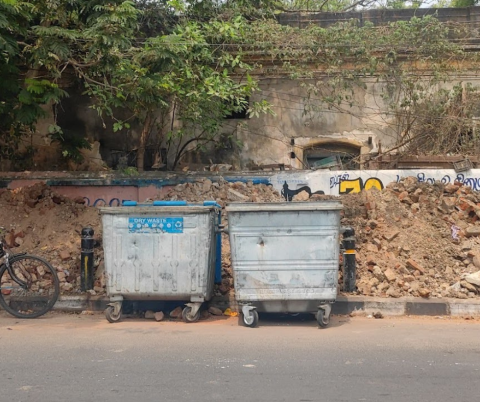
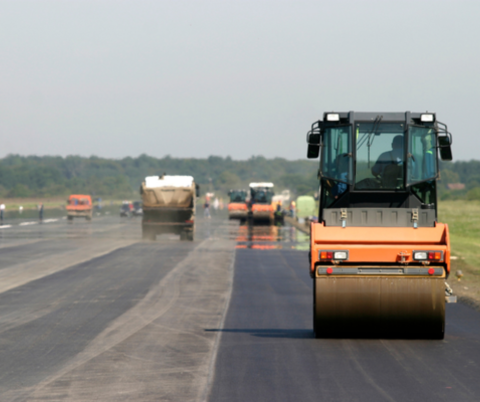
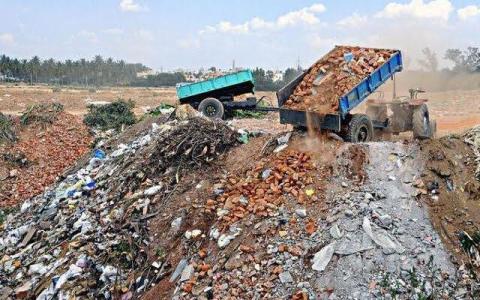
India is undergoing a major phase of construction-led development that is rapidly reshaping its urban and semi-urban landscapes. Metro rail networks, national highways, commercial office spaces, housing complexes, and smart city infrastructures are rising at a pace unmatched in the past. While this transformation reflects economic growth and modernisation, it has also resulted in an escalating environmental concern: construction and demolition (C&D) waste.