plastic pollution

PACK IT IN - Brand Audit 2022

The results of CAG's 2022 plastic brand audit are in! Find out who all have received the dubious distinction of making it to the Top 10! The brand audit is a citizen-science initiative anchored by #BreakFreeFromPlastic where plastic waste is gathered and audited to reveal those brands and manufacturers whose plastic packaging we found the most of.


Licence type
Resource Type

Widespread Chemical Contamination of Recycled Plastic Pellets Globally

Author

CAG contributed to a global study by IPEN that looked at the chemical contamination in recycled plastic pellets. The study found that recycling plastics carries over the toxins to the new products. Plastics containing toxins should therefore not be recycled; these should in fact, not be considered part of a circular economy at all.

Licence type
Resource Type

Press Release: A study on how safe is recycled plastic?

Author

This recent study reveals that the recycling process transfers the toxins in plastic to the recycled plastic; and because recycling typically mixes several types of plastic together, could produce new chemical cocktails in the process.

Licence type
Resource Type

Webinar on How safe is your Recycled Plastics?

Plastic pollution is a wicked problem, posing a challenge that currently seems to surpass our ability to tackle it. To tackle it we need collective, and collaborative efforts of producers, citizens, policymakers, and governance systems. At the forefront of such efforts, taking responsibility for the waste they create, should be the producers. However, one cannot think of recycling or tout it as a solution to the plastic litter problem owing to its severe limitations technically and effects on health.

How safe is recycled plastic?

Event Date

Address

The Plasticene Epoch and the brands behind it

CAG's 2021 Brand Audit sought to understand which companies create the maximum plastic waste. Interestingly, unbranded plastic contributed to a quarter of the plastic waste audited followed by well-known brands like Unilever, Aavin, and Britannia. Over 90% of the plastic waste produced by companies such as Unilever, Nestle, and Mondelez for example, are made of non-recyclable plastics - an indication of brands disinterest in making their products truly sustainable.

Source
Licence type
Resource Type

The Big Picture: Contextualising the plastic pollution problem

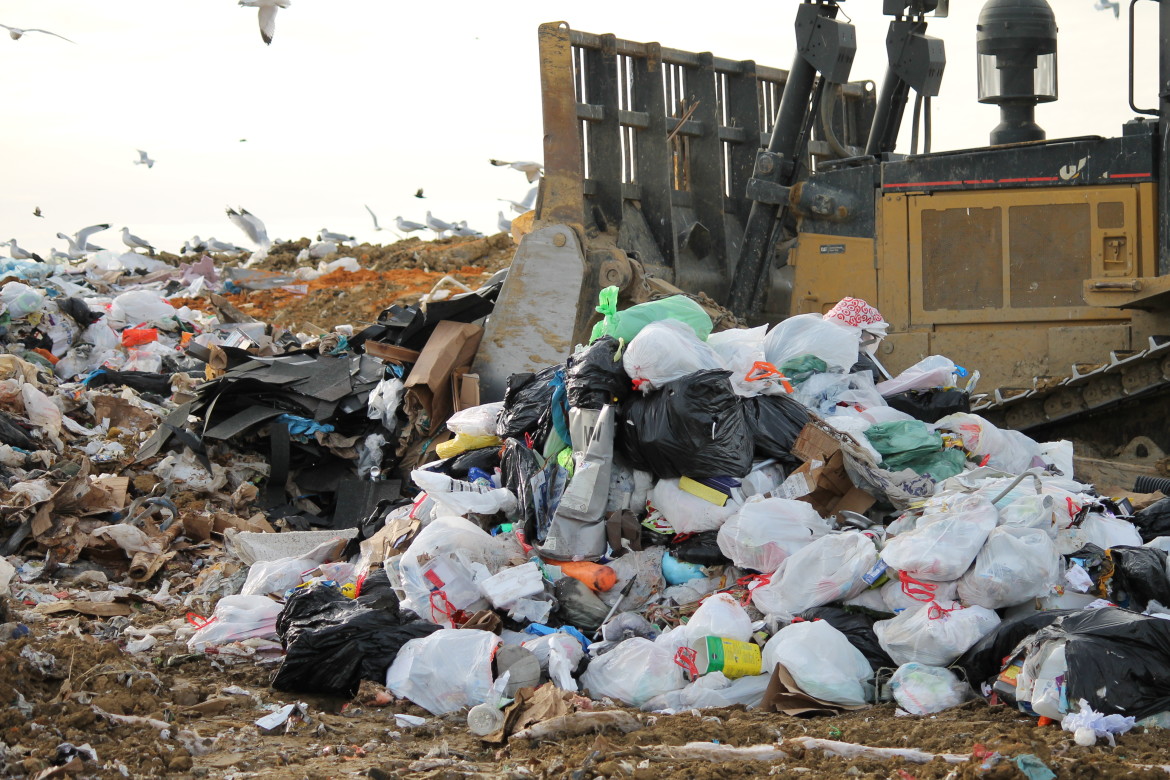
Doomsday movies invariably are set in barren landscapes where nothing grows with the sun beating down mercilessly. I wonder when we have our Apocalypse, whether it might not be closer to the truth that these future humans will be struggling through a landscape piled high with plastics, so high that the actual earth is not visible.

Plastics

Microplastics findings in Kodungaiyur

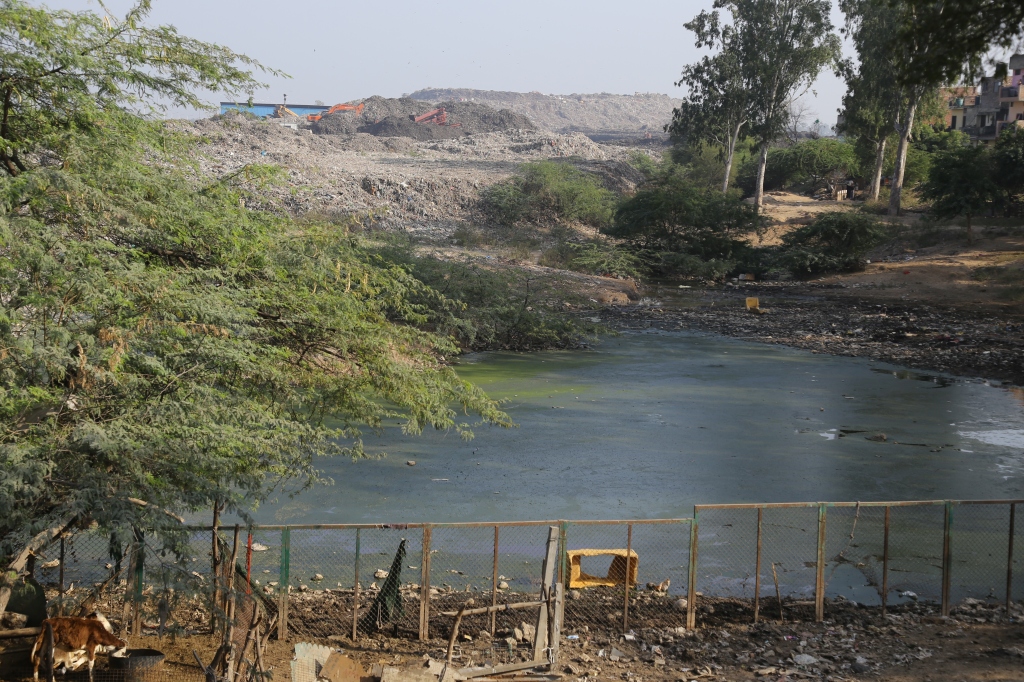
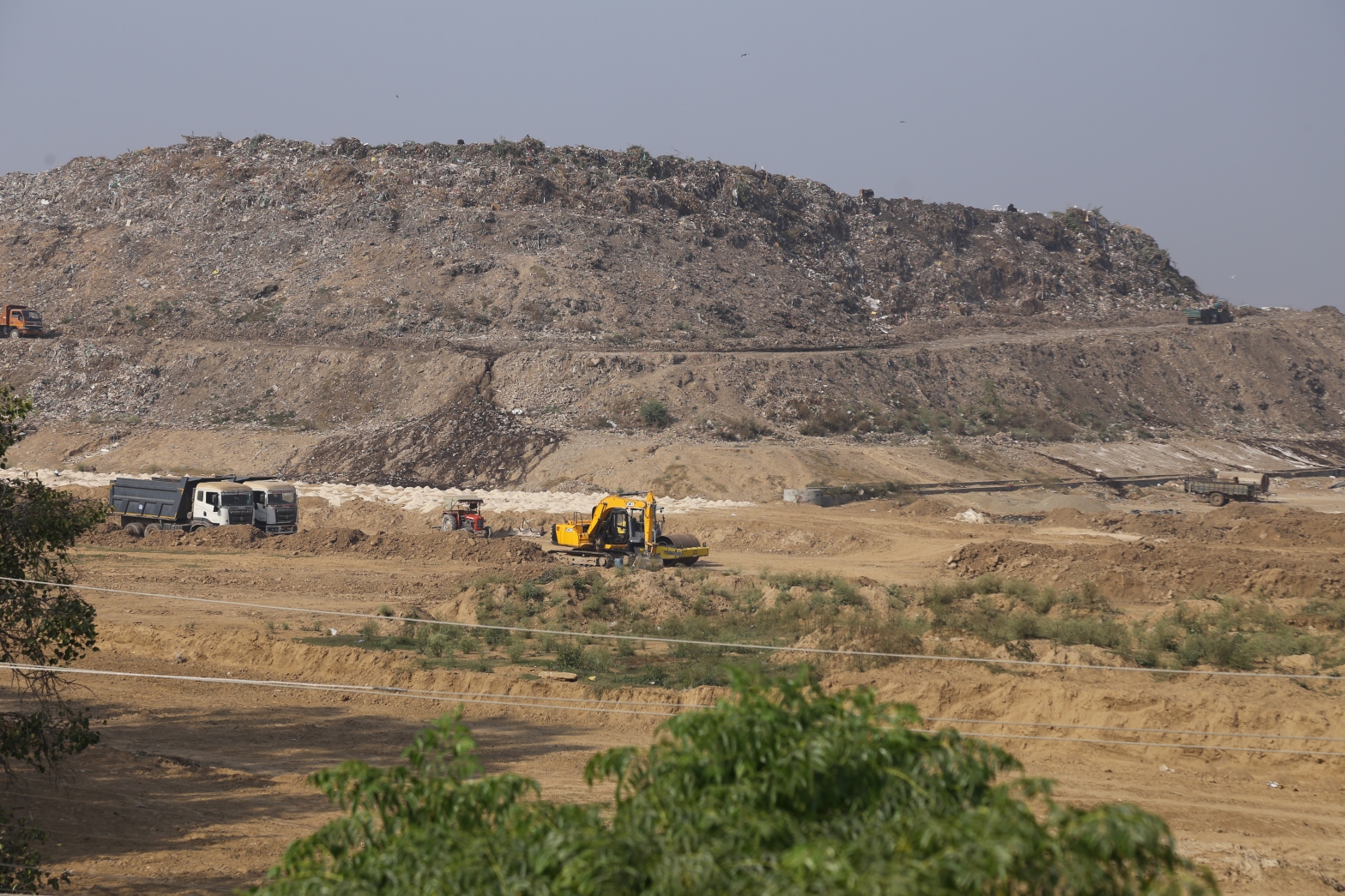
A study that analysed water samples from around the Kodungaiyur dumpyard seeking to answer the question of how much microplastics have leached into the neighbourhood water sources.

Licence type
Resource Type

An analysis of Unilever’s plastic reduction commitments - game changer or myth?

Under fire from the media and citizens on business contribution towards the plastic pollution crisis, companies are increasingly pushing out plastic reduction goals, targets and schemes in an effort to clean up their image. This blog examines the impact of Unilever’s plastic reduction commitment.