waste management

From allocation to accountability

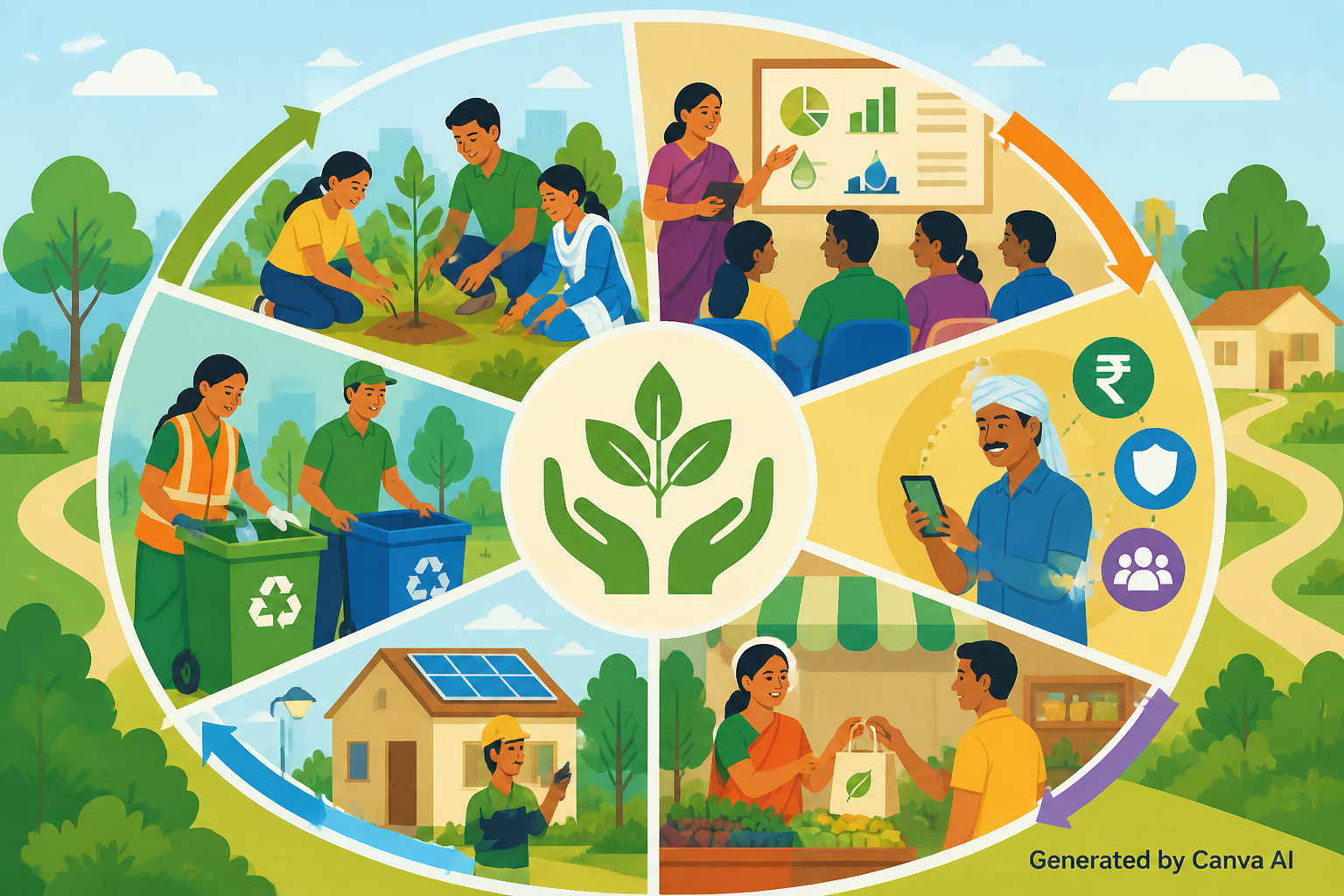
Cleaner cities are not created simply because more money is allocated. They emerge when investments are supported by strong institutions, accountable governance, informed citizens, and systems that reward performance rather than activity. As the recent Tamil Nadu Budget strengthens investment in urban development, it also presents an opportunity to invest in a cleaner city focussed around more measurable questions: how do we ensure that these investments, including those in waste management, translate into lasting public value?
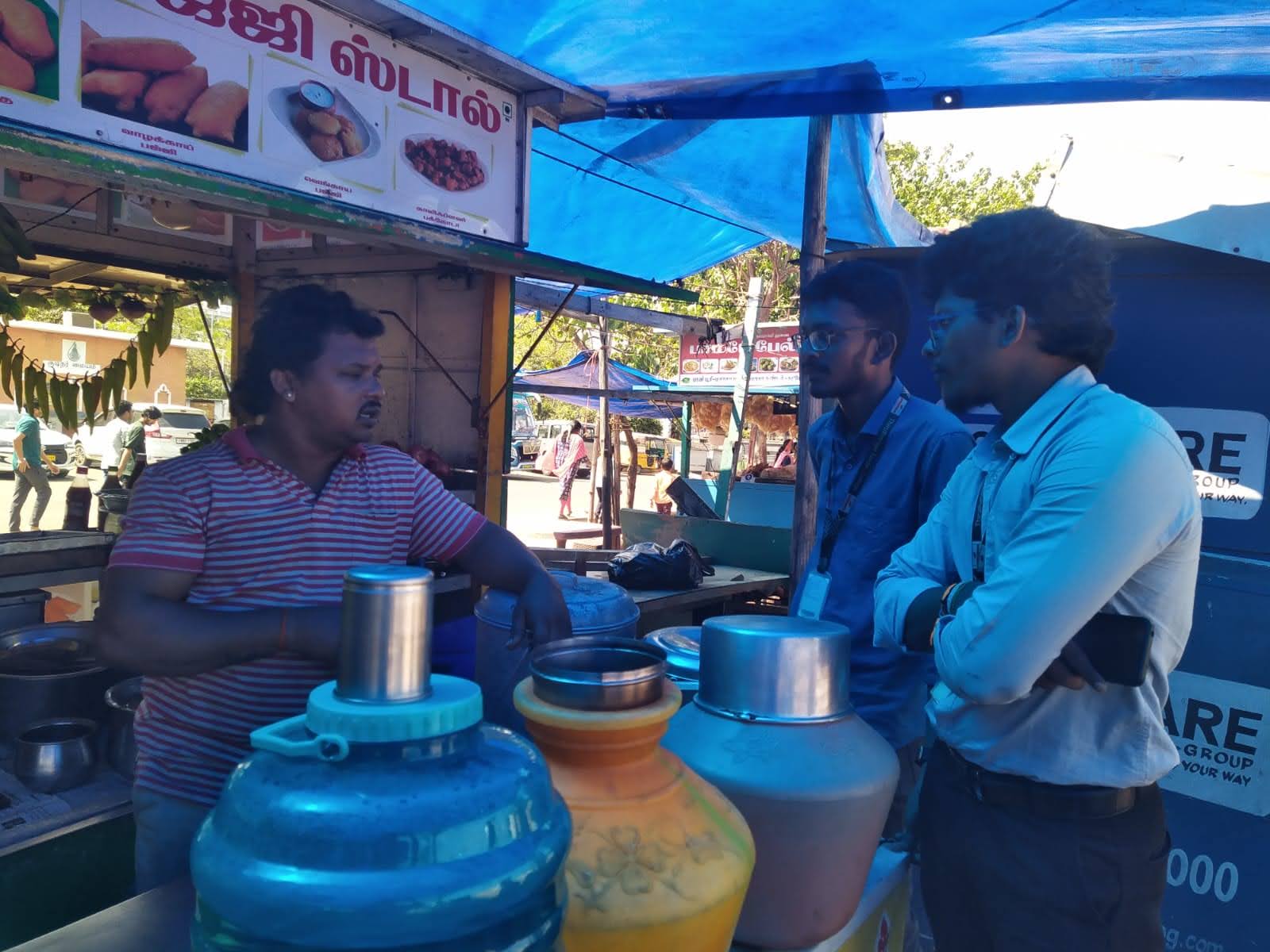
What do vendors actually know, do, and think about waste?

Walk through almost any street, beach, or market in Chennai and one thing is immediately visible: informal vendors. Tea carts at junctions, snack stalls near beaches, breakfast pushcarts in residential lanes, flower vendors outside temples, fish sellers near coastal stretches; they are woven into the fabric of daily city life, contributing to local economies and serving thousands of people every day.

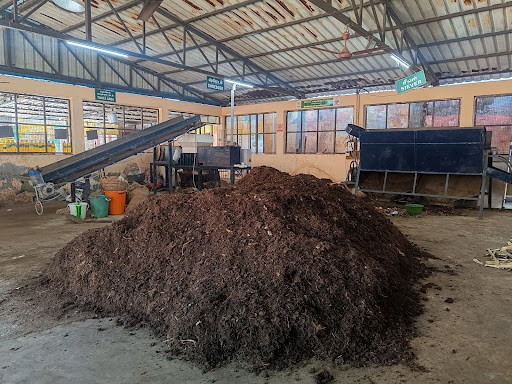
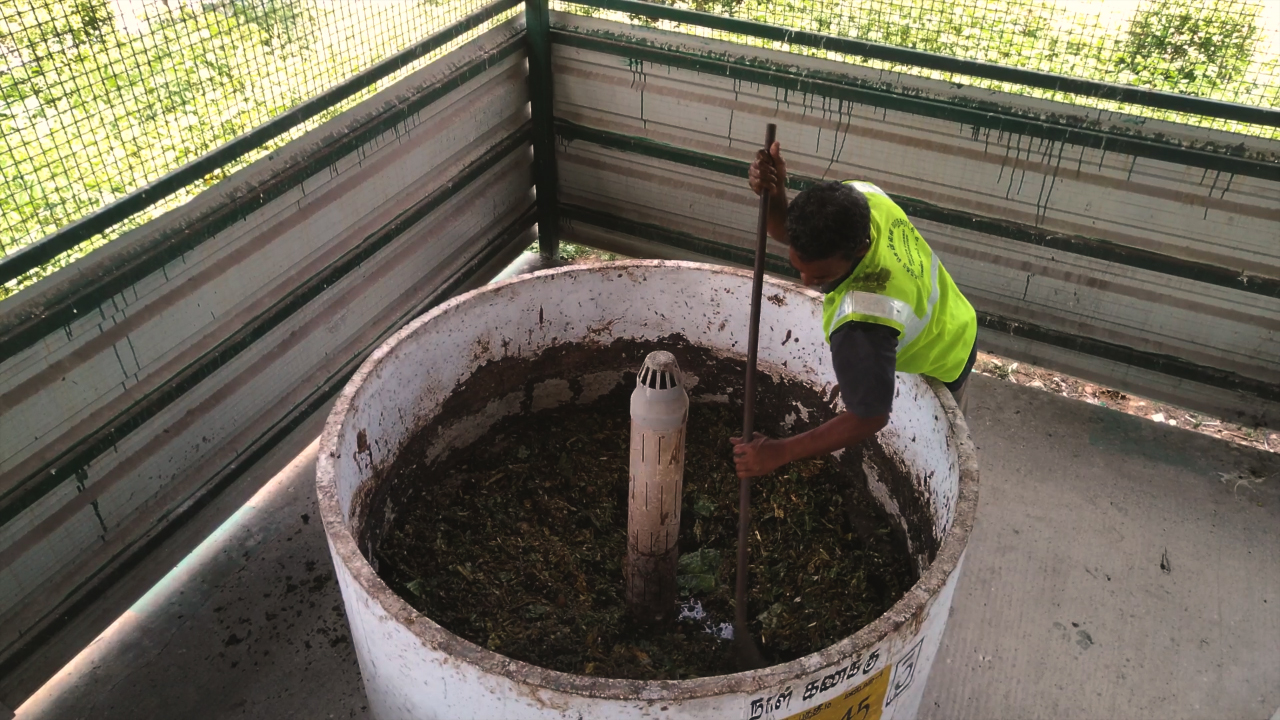
Revamping Chennai’s micro composting centers

Nearly 60 percent of municipal waste generated in Chennai is biodegradable waste (See this article for more on Chennai's solid waste management woes) ; this itself shows that half of the city’s solid waste problem can be solved if our biodegradable waste is managed effectively. The different methods we have to treat biodegradable waste are composting, biogas and bio-CNG generation.