Blogs

Domestic consumers are major consumers of electricity followed by industrial category. To promote energy efficiency and energy conservation, this calculator will help consumers to save electricity through behavioural changes and economical measures.

In 2015, Government of India set an ambitious target of 175 GW of Renewable Energy (RE) capacity to be achieved by 2022. As of September 2020, 89.22 GW of RE capacity was added, which includes 3.22 GW of grid connected rooftop solar capacity. 

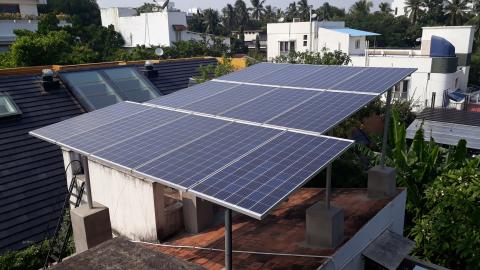
Rooftop solar is gaining popularity and in order to be efficient, rooftop solar requires maintenance at regular intervals. The article will explain the impact of dust collection on solar panels and best practices in maintaining solar panels.

This blog is a summary of the capacity building sessions conducted in 7 schools in and around Chennai. The objective was to spread awareness about electricity/energy related topics.

CAG conducted a four-day training programme for the students of B.Voc-Sustainable Energy Management from Stella Maris College for Women. This blog summarises the proceedings of the training programme went and topics learned by the students.

With emerging technological advances and increased dependency on electronic appliances, household energy consumption levels and demand for electricity have been steadily rising. Recently, Tamil Nadu recorded a peak demand of 16,151 MW during the month of April 2019.
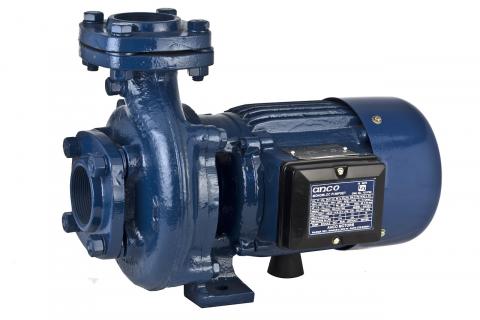
Agriculture is one of the major energy-consuming sectors in Tamil Nadu owing to heavy dependence on groundwater for irrigation purposes.

The journey towards energy conservation begins with energy auditing. Here is how energy audits can help households maximise energy and cost savings. 

This blog is a summary of the capacity building programme conducted by Electricity Consumer Cells (ECC) in Tiruvallur.